Playlist
Unholy Terror is the ninth studio album by the American heavy metal band W.A.S.P., released in 2001. It is viewed by many fans and critics alike as an ‘issue’ album, going into great detail about the world and all its vices.
Tracks
All songs written by Blackie Lawless
- “Let It Roar” – 4:40
- “Hate to Love Me” – 4:07
- “Loco-Motive Man (And the Killer Babies)” – 6:03
- “Unholy Terror” – 2:01
- “Charisma” – 5:25
- “Who Slayed Baby Jane?” – 4:55
- “Euphoria” – 3:19
- “Raven Heart” – 3:46
- “Evermore” – 6:10
- “Wasted White Boys” – 6:49
Japanese CD bonus track
- “Hate to Love Me (Karaoke Mix)”
Released in 2001, Unholy Terror marks a moment of recalibration for W.A.S.P. After years of stylistic shifts, concept-driven ambition, and internal turbulence, the band returned with an album that felt leaner, angrier, and deliberately confrontational.
This is not a nostalgic throwback.
It is a reassertion of intent.
A Return to Aggression
Unholy Terror strips away much of the theatrical excess that defined parts of W.A.S.P.’s 90s output. In its place stands a sharper, more aggressive sound rooted in traditional heavy metal, with modern weight and urgency.
The opening track, “Let It Roar,” announces the album’s mission clearly — punchy riffs, commanding vocals, and an emphasis on momentum. Songs like “Hate to Love Me” and “Locomotive Breath” (Jethro Tull cover) reinforce the album’s raw, no-frills approach.
Lyrical Focus: Defiance Over Reflection
Lyrically, Unholy Terror leans into confrontation. There is anger here, but it is controlled — less nihilistic, more declarative. Blackie Lawless sounds focused, determined to reclaim the band’s identity rather than reinvent it.
Tracks such as “Unholy Terror” and “Charisma” channel rebellion and personal autonomy without drifting into self-parody, a balance that had often eluded heavy metal bands navigating the post-90s landscape.
Musical Identity: Tight and Purposeful
The guitar work is disciplined and aggressive, favoring solid riffs over extended solos. The production is direct and punchy, giving the album a sense of immediacy that contrasts with the grand narratives of earlier concept albums.
Blackie’s vocal performance stands out — weathered, authoritative, and grounded in experience. This is the voice of a survivor rather than a provocateur.
Context and Legacy
Arriving at the dawn of the 2000s, Unholy Terror positioned W.A.S.P. in a heavy metal world that had changed dramatically. Instead of chasing trends, the band doubled down on its core strengths: attitude, power, and defiance.
While not as celebrated as the band’s classic 80s releases or the emotional weight of The Crimson Idol, Unholy Terror remains an important chapter — proof that W.A.S.P. could endure without dilution.
Final Thoughts
Unholy Terror is a stripped-down, aggressive, and confident album that refuses to apologize for its existence. It may not seek artistic reinvention, but it succeeds in something equally difficult: staying true without becoming irrelevant.
This is W.A.S.P. standing its ground — loud, unyielding, and unmistakably itself.
Album Cover
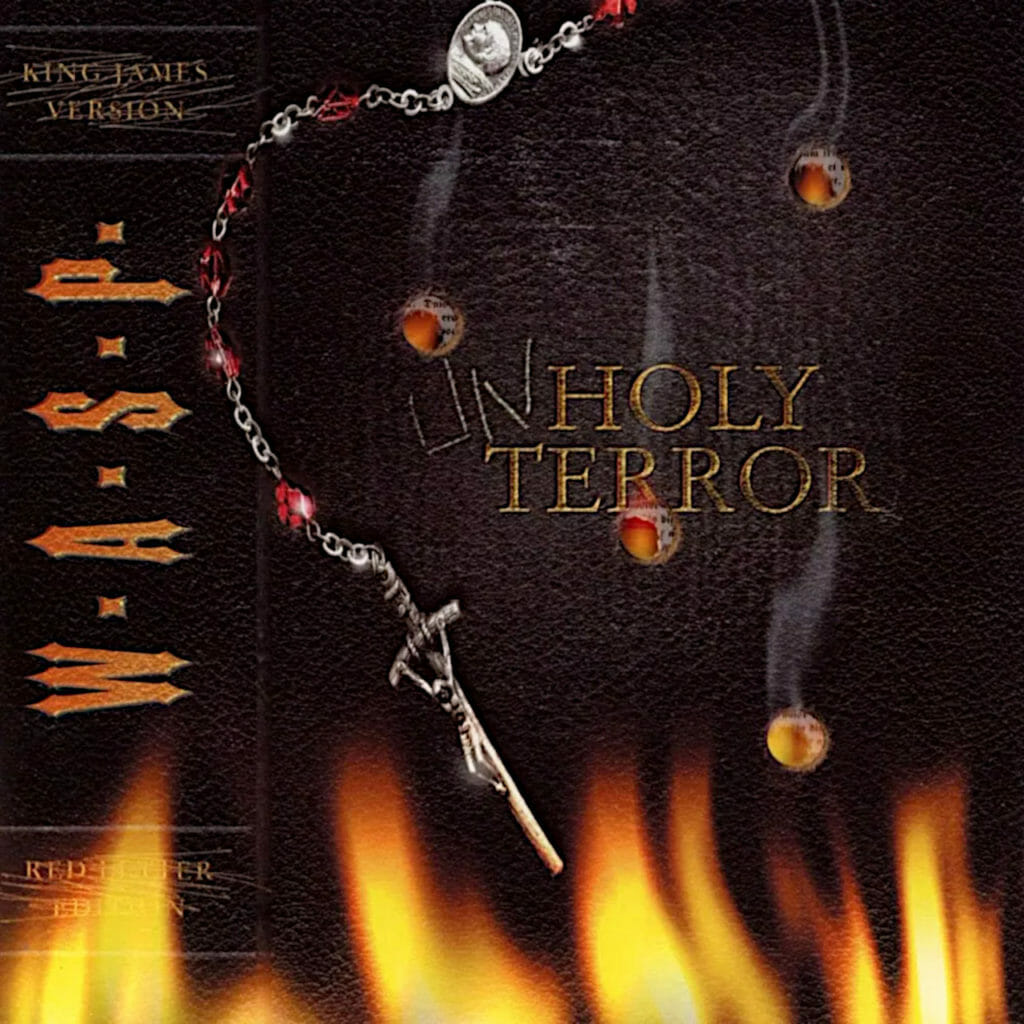
W.A.S.P. Unholy Terror Related Posts
- Blackie Lawless: The Controversial Voice of 1980s Heavy MetalBlackie Lawless, founder of W.A.S.P., emerged as a defining figure …
- W.A.S.P. Babylon Album PlaylistW.A.S.P.'s fourteenth studio album, "Babylon," was released on November 9, …
- W A S P ReIdolizedReidolized (The Soundtrack to The Crimson Idol) is not a …
- W.A.S.P. HelldoradoReleased in 1999, Helldorado is one of the most polarizing …
- W.A.S.P. Dominator Album PlaylistReleased in 2007, Dominator marks one of the heaviest and …
- W.A.S.P. Miss You promo – Video Clip“Miss You” is a song by the American heavy metal …
- W.A.S.P. W.A.S.P.: The Shock Rock Revolution that Shook a GenerationW.A.S.P. W.A.S.P. is not just a debut album; it's a …
- W.A.S.P. Unholy TerrorReleased in 2001, Unholy Terror marks a moment of recalibration …