
Deep Purple: Pioneers of Hard Rock and Heavy Metal
Deep Purple is a British rock band formed in 1968, widely regarded as one of the most influential groups in the history of hard rock and heavy metal. Alongside bands like Black Sabbath and Led Zeppelin, Deep Purple helped shape the foundations of heavy music, blending blues, classical influences, and raw rock energy into a powerful and distinctive sound.
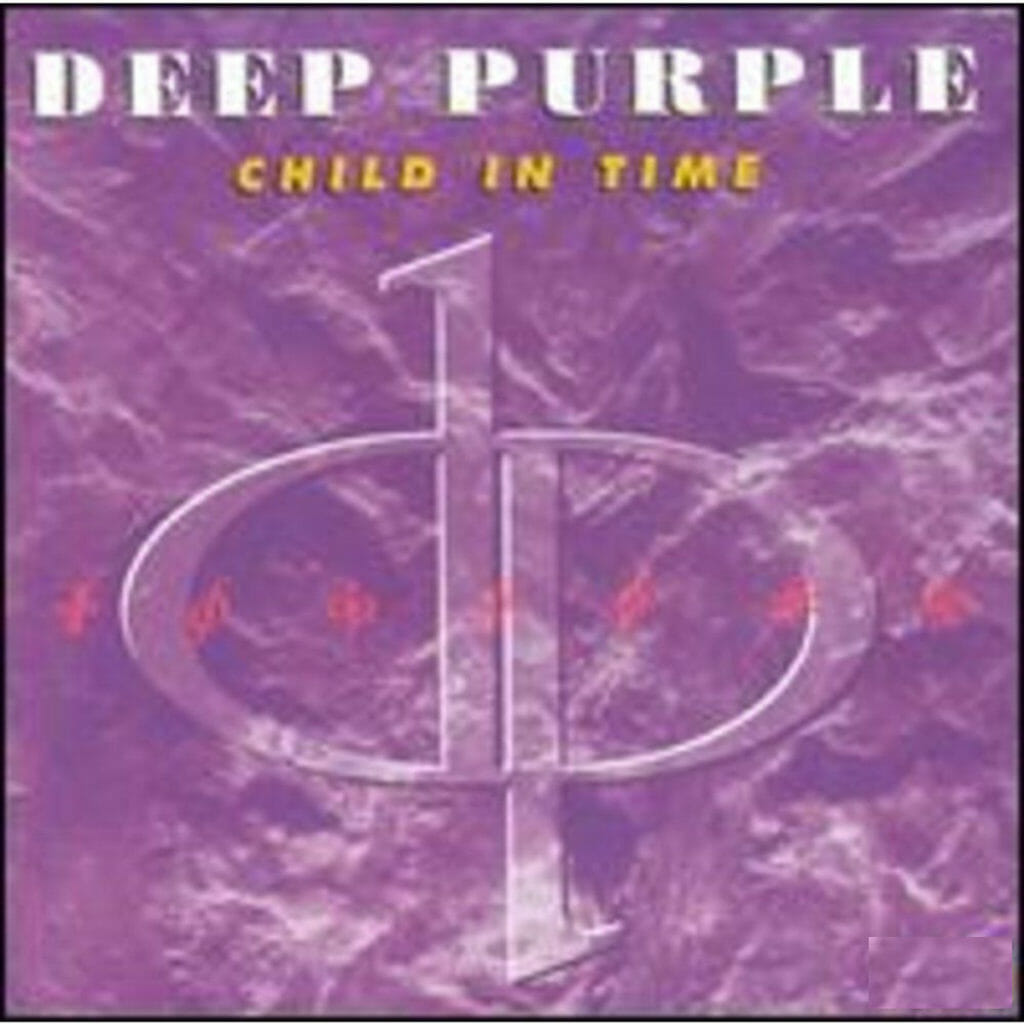
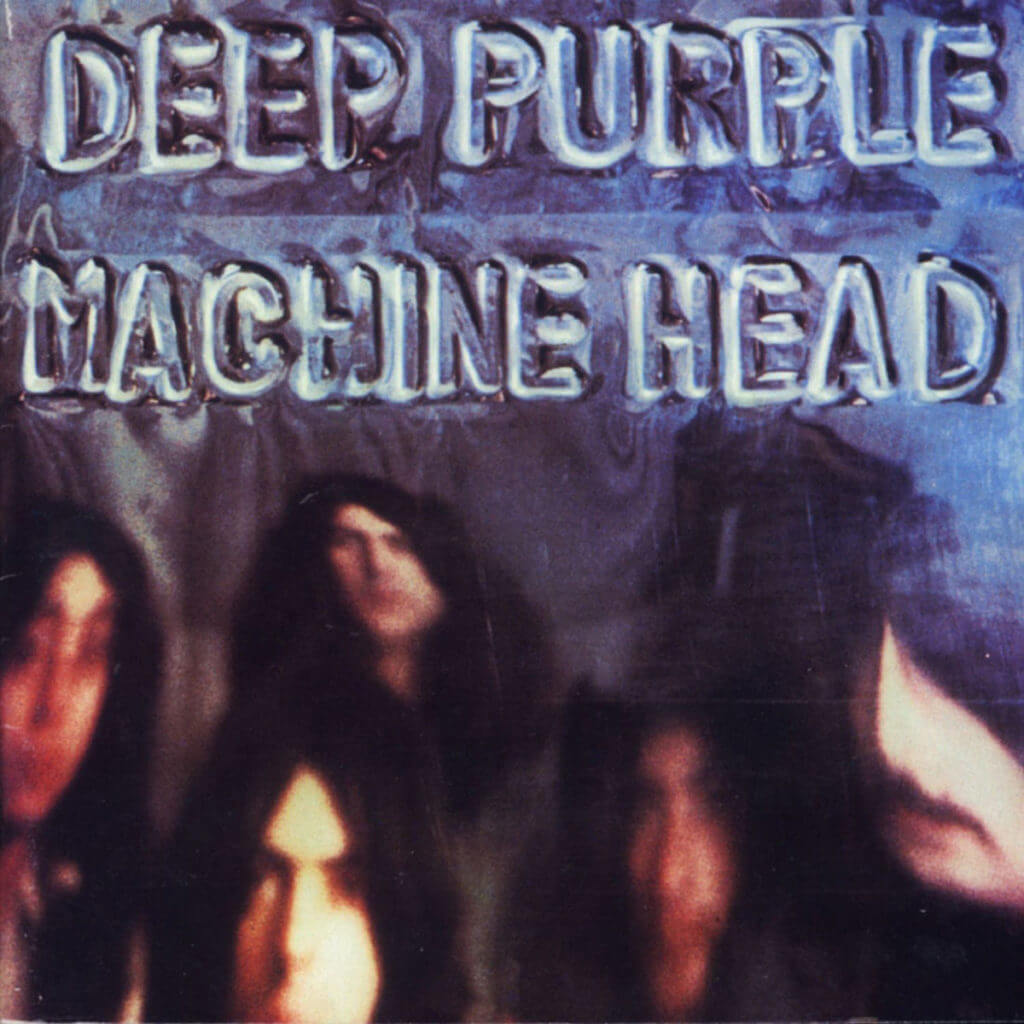
The band is best known for its classic lineup featuring Ian Gillan (vocals), Ritchie Blackmore (guitar), Jon Lord (keyboards), Roger Glover (bass), and Ian Paice (drums). This era produced landmark albums such as Deep Purple in Rock, Fireball, Machine Head, and Burn, which remain cornerstones of rock music. Songs like “Smoke on the Water”, “Highway Star”, and “Child in Time” became defining anthems, recognized worldwide for their iconic riffs and dramatic intensity.
A key element of Deep Purple’s identity was the innovative interaction between Blackmore’s guitar and Lord’s Hammond organ, creating a sound that was both aggressive and sophisticated. Their live performances were equally legendary, marked by extended improvisations and virtuosic solos that set new standards for rock concerts.
Despite numerous lineup changes over the decades, Deep Purple has maintained a strong creative presence, continuing to release new albums and tour internationally well into the modern era. Their longevity, adaptability, and commitment to musicianship have earned them a lasting place in rock history, including induction into the Rock and Roll Hall of Fame.
Today, Deep Purple stands as a symbol of artistic endurance and innovation, influencing countless musicians across rock, metal, and progressive genres. Their legacy continues to resonate with generations of fans, proving that powerful songwriting and exceptional musicianship transcend time.





Albums
- Shades of Deep Purple (1968)
- The Book of Taliesyn (1968)
- Deep Purple (1969)
- Deep Purple in Rock (1970)
- Fireball (1971)
- Machine Head (1972)
- Who Do We Think We Are (1973)
- Burn (1974)
- Stormbringer (1974)
- Come Taste the Band (1975)
- Perfect Strangers (1984)
- The House of Blue Light (1987)
- Slaves and Masters (1990)
- The Battle Rages On… (1993)
- Purpendicular (1996)
- Abandon (1998)
- Bananas (2003)
- Rapture of the Deep (2005)
- Now What?! (2013)
- Infinite (2017)
- Whoosh! (2020)
Deep Purple Related Posts
- W.A.S.P. Babylon Album PlaylistBabylon is the fourteenth studio album by American heavy metal band W.A.S.P., released …
- Deep Purple FireballFireball is the fifth album by English rock band Deep Purple, released …
- Deep Purple Whoosh!Whoosh! is the twenty-first studio album by English rock band …
- Deep PurpleDeep Purple is a British rock band formed in 1968, …
Deep Purple has had a number of different lead vocalists over the years. In addition to Ian Gillan, who has been the primary vocalist for the band for much of its career, other singers who have fronted the group include:
Rod Evans: Evans was the lead vocalist for Deep Purple when the band was formed in 1968. He sang on the band’s first two albums, “Shades of Deep Purple” and “The Book of Taliesyn,” before leaving the group in 1969.
David Coverdale: Coverdale joined Deep Purple in 1973 and sang on the band’s albums “Burn,” “Stormbringer,” and “Come Taste the Band.” He left the group in 1976 to form the band Whitesnake.
Glenn Hughes: Hughes joined Deep Purple in 1973 as the bassist and vocalist for the band. He sang on the album “Burn” and performed with the group until 1976.
Joe Lynn Turner: Turner joined Deep Purple in 1984 and sang on the band’s album “Perfect Strangers.” He remained with the group until 1989.
Ian Gillan (again): Gillan rejoined Deep Purple in 1984 and has been the lead vocalist for the band since then.
Steve Morse: Morse joined Deep Purple as the guitarist in 1994 and has been with the band ever since. He has also contributed lead vocals on some of the band’s songs.
Other members of Deep Purple have included:
Ritchie Blackmore: Blackmore was the guitarist for Deep Purple from 1968 to 1993, and is considered one of the most influential and respected guitarists in rock history.
Jon Lord: Lord was the keyboardist for Deep Purple from 1968 to 2002, and was known for his distinctive style and virtuosity on the Hammond organ.
Roger Glover: Glover is the bassist for Deep Purple and has been with the band since 1973.
Ian Paice: Paice is the drummer for Deep Purple and is the only member of the band who has been with the group continuously since its formation in 1968.
Steve Morse: Morse joined Deep Purple as the guitarist in 1994 and has been with the band ever since. He has also contributed lead vocals on some of the band’s songs.
Deep Purple is a rock band that has had a number of highly successful and influential hits over the years. Some other great hits by Deep Purple include:
“Black Night”: This song was released in 1970 and became one of Deep Purple’s most popular and enduring hits. It reached the top of the charts in the UK and was a top ten hit in several other countries.
“Highway Star”: This song was released in 1972 on the album “Machine Head” and became one of Deep Purple’s most popular and influential tracks. It is known for its driving guitar riff and energetic performance.
“Burn”: This song was released in 1974 on the album of the same name and became one of Deep Purple’s most successful and enduring hits. It features a powerful vocal performance by David Coverdale and a memorable guitar solo by Ritchie Blackmore.
“Child in Time”: This song was released in 1970 on the album “Deep Purple in Rock” and is known for its epic, ten-minute-long length and dramatic vocal performance by Ian Gillan.
“Perfect Strangers”: This song was released in 1984 on the album of the same name and became a hit for Deep Purple after the band reunited with Ian Gillan as the lead vocalist. It features a catchy, upbeat melody and a memorable guitar riff.
“Hush”: This song was released in 1968 on the album “Shades of Deep Purple” and became one of the band’s first hits. It is a cover of a song by American singer Billy Joe Royal and features a distinctive keyboard intro by Jon Lord.