
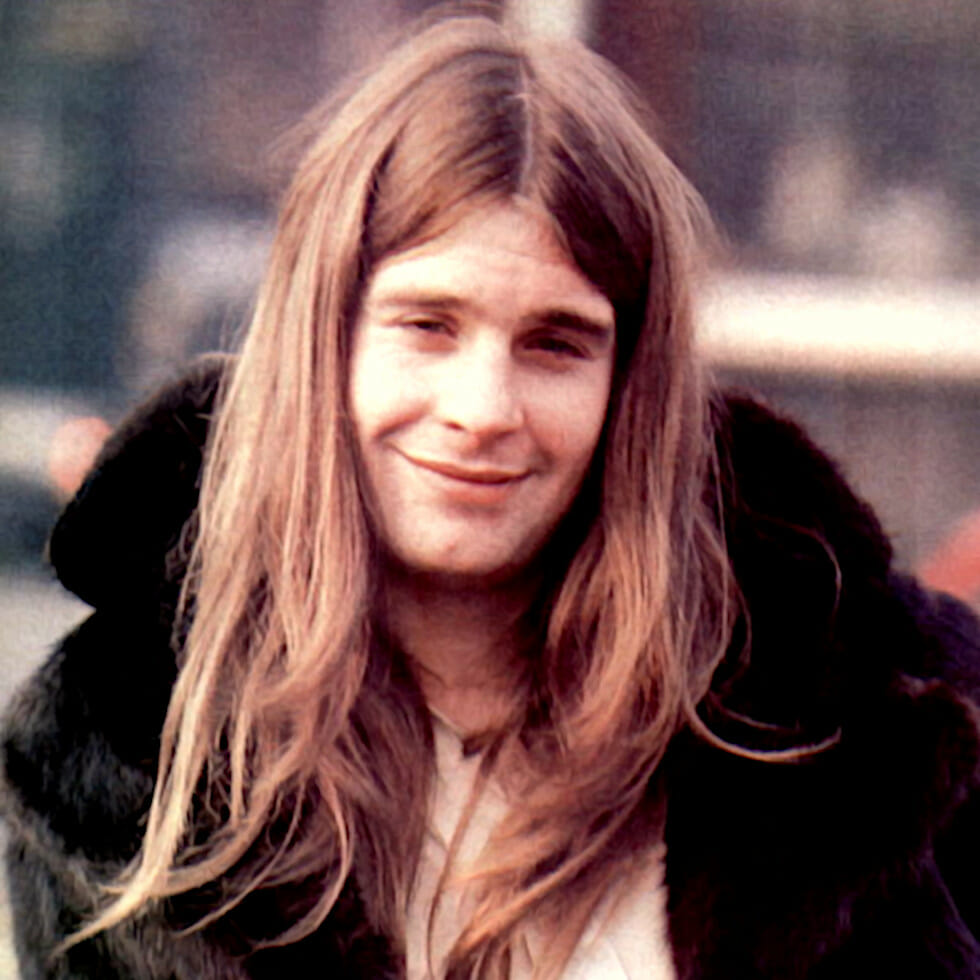
Ozzy Osbourne, often referred to as the ‘Prince of Darkness,’ is a legendary figure in the world of rock music, particularly known for his role in shaping the heavy metal genre. Born John Michael Osbourne on December 3, 1948, in Birmingham, England, he first gained fame as the lead vocalist of Black Sabbath, a band that would become one of the most influential in rock history. Osbourne’s unique vocal style, combined with his theatrical stage presence, helped to define the sound of heavy metal in the early 1970s.
**Formation and Early Years**
Black Sabbath was formed in 1968, initially under the name Earth, by Osbourne, guitarist Tony Iommi, bassist Geezer Butler, and drummer Bill Ward. The band adopted the name Black Sabbath in 1969, inspired by a horror film and the occult themes that would permeate their music. Their self-titled debut album, released in February 1970, is often credited with laying the groundwork for heavy metal. The band’s sound was characterized by dark, heavy riffs and ominous lyrics, setting them apart from their contemporaries.
**Key Releases and Milestones**
Black Sabbath released a series of groundbreaking albums throughout the early 1970s, including *Paranoid* (1970), *Master of Reality* (1971), and *Vol. 4* (1972). The album *Paranoid* is particularly notable, featuring iconic tracks such as “Iron Man” and “War Pigs,” and is often cited as one of the greatest albums in rock history. However, in 1979, Osbourne was fired from the band due to his struggles with substance abuse.
In 1980, he launched a successful solo career with the release of *Blizzard of Ozz*, featuring hits like “Crazy Train” and “Mr. Crowley.” This album marked a significant shift in Osbourne’s career, as he began to establish himself as a solo artist. His subsequent albums, including *Diary of a Madman* (1981) and *Bark at the Moon* (1983), further solidified his status as a rock icon. Osbourne’s live performances, often marked by outrageous antics and theatrical elements, contributed to his larger-than-life persona.
Throughout the 1990s and 2000s, Osbourne continued to release music and tour, while also gaining new fans through the reality television show *The Osbournes*, which aired from 2002 to 2005. The show provided a glimpse into his family life and helped to humanize the rock star, making him a household name beyond the music scene.
**Legacy and Influence**
Ozzy Osbourne’s impact on music is immeasurable. He is often credited with popularizing heavy metal and influencing countless artists across various genres. His distinctive voice and songwriting have inspired generations of musicians, and his work with Black Sabbath is frequently cited as foundational to the development of heavy metal music. Osbourne has received numerous awards, including a Grammy Award for Best Metal Performance and induction into the Rock and Roll Hall of Fame as a member of Black Sabbath in 2006.
Despite facing numerous personal challenges, including battles with addiction and health issues, Osbourne’s resilience and dedication to his craft have allowed him to remain relevant in the music industry. His influence continues to be felt, as new artists draw inspiration from his pioneering sound and style. As of 2023, he remains an iconic figure in rock music, with a legacy that will endure for years to come.