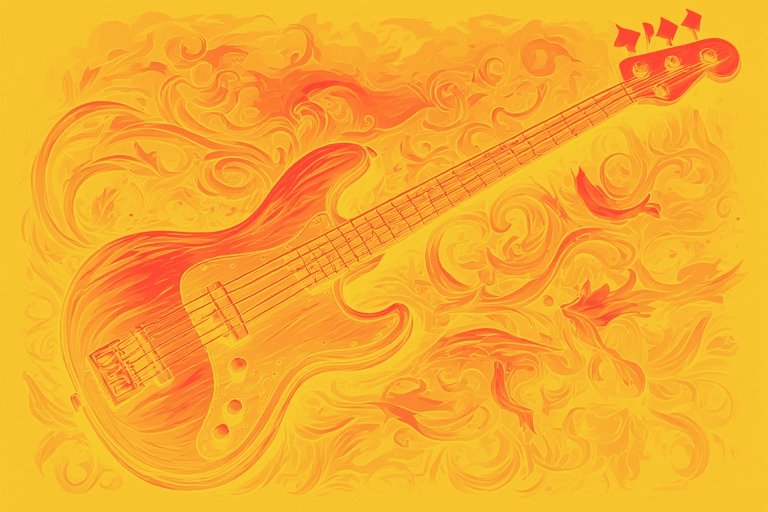
The Sound of Myth
Throughout history, music has served as a vessel for the expression of human emotions, beliefs, and stories. Much like the primordial demons of myth—Lilith, Nahemah, Agrat Bat Mahlat, and Eisheth—music resonates with the complexities of desire, fear, and the unknown. These figures, often depicted as seductresses or tempters, symbolize a deeper connection to the subconscious, inviting artists and audiences alike to explore the boundaries of their own desires and fears through sound.
Symbolism in Sound
In the realm of music, the symbolism of the primordial feminine often manifests in the themes of seduction and chaos. Artists frequently draw upon these archetypes, using their allure to create soundscapes that evoke both fascination and trepidation. The haunting melodies of a ballad can echo the whispers of Lilith, while the pulsating rhythms of electronic music might channel the chaotic energy of Nahemah. This interplay between myth and music invites listeners to confront their own inner demons, blurring the lines between pleasure and pain.
Cultural Reflections
The impact of these primordial figures extends beyond individual songs or artists; they reflect broader cultural narratives about femininity, power, and temptation. In many cultures, the portrayal of women as both nurturing and destructive has shaped the musical landscape. From the sirens of ancient Greece to the modern-day femme fatales in pop music, these archetypes continue to inspire and provoke thought, challenging societal norms and expectations surrounding female identity.
Invitation to the Unknown
Much like the primordial demons, music invites listeners to step into the unknown. This invitation is not merely to experience pleasure but to explore the depths of one’s psyche. The allure of these mythical figures lies in their ability to draw individuals into a space where the familiar becomes strange, and the ordinary transforms into the extraordinary. In this way, music serves as a bridge to the primordial, allowing us to confront and embrace the complexities of our existence.
Controversies and Interpretations
However, the fascination with these figures is not without controversy. Some interpretations of these primordial symbols can lead to reductive views of femininity, portraying women solely as objects of desire or chaos. This reductionist view overlooks the rich, multifaceted nature of these myths and their potential for empowerment. Artists who engage with these themes must navigate the fine line between homage and stereotype, ensuring that their work reflects the depth and complexity inherent in these ancient narratives.
Conclusion: The Resonance of Primordiality
As we continue to explore the intersections of music and myth, the presence of the primordial remains a powerful force. The seductive pull of these figures invites us to delve into the depths of our own desires, fears, and identities. In doing so, we not only honor the ancient stories that shaped our cultural landscape but also create new narratives that resonate with the complexities of modern existence. The question remains: how far are we willing to accept the invitation to explore the unknown?
CONTINUE TO MAIN POST
The Primordial Echo: Music, Myth, and the Allure of the Unknown Related Posts
- Echoes of the Glen: The Musical Tapestry of Celtic FolkloreExplore the profound connection between nature and music in Belle …
- Echoes of the Titans: The Musical Resurgence of Ancient MythsThe recent release of "Green Eyes – Saturnus – The …
- The Enigmatic Lilitu: Unraveling the Mysteries of an Ancient MythologyLilitu, an ancient Mesopotamian entity, embodies the complexities of femininity …