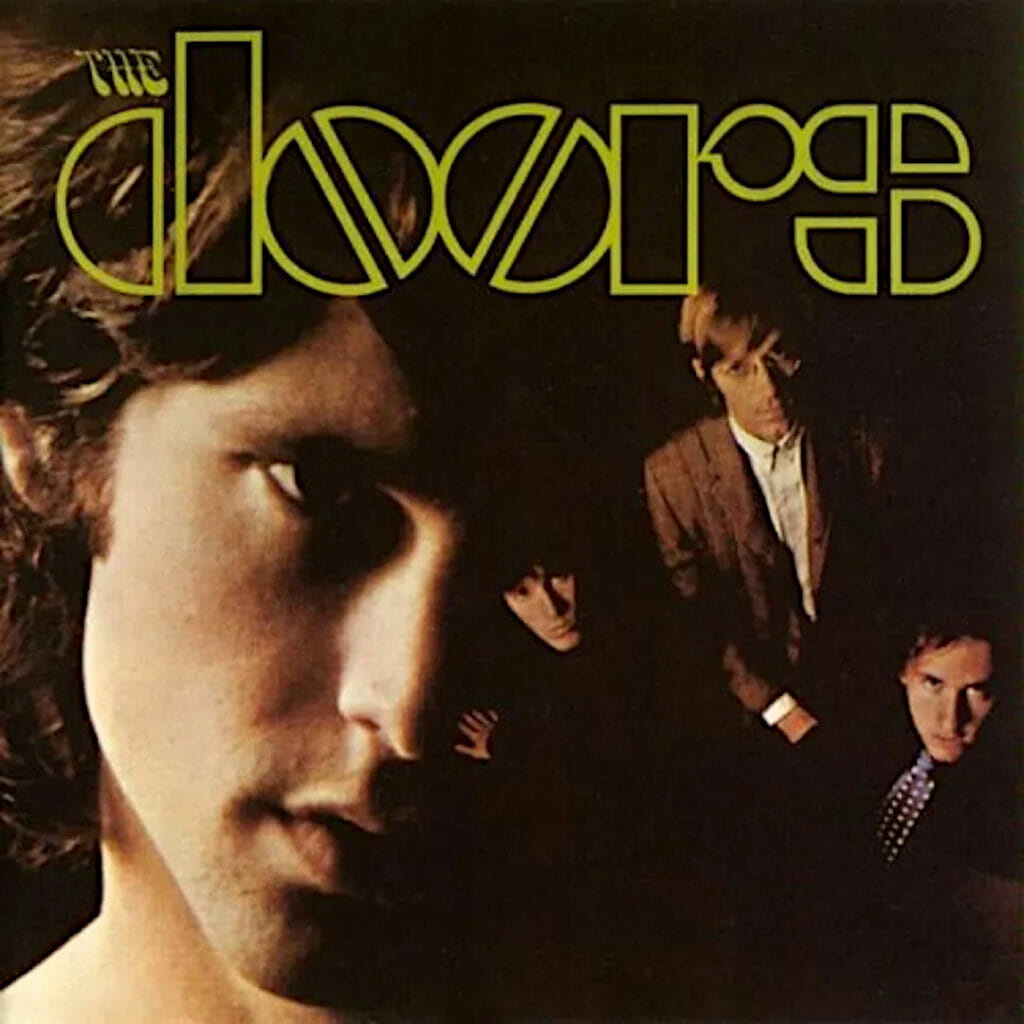
The Doors – Full Album – 1967
The Doors stand as one of the most singular, provocative, and influential bands in the history of rock music. Formed in Los Angeles in 1965, the group consisted of Jim Morrison (vocals), Ray Manzarek (keyboards), Robby Krieger (guitar), and John Densmore (drums). What set The Doors apart from their contemporaries was not only their sound, but their philosophy: a fusion of rock, blues, jazz, poetry, and existential exploration that challenged the boundaries of popular music.
At the center of the band was Jim Morrison, a charismatic and deeply literary frontman whose lyrics drew inspiration from William Blake, Arthur Rimbaud, Nietzsche, Greek mythology, and existential philosophy. Morrison did not see himself merely as a rock singer, but as a poet and shamanic figure, using music as a vehicle to explore altered states of consciousness, desire, death, freedom, and the darker corners of the human psyche. His presence transformed live performances into unpredictable rituals rather than conventional concerts.
Musically, The Doors were equally unconventional. Ray Manzarek’s hypnotic keyboard lines replaced the role of a traditional bass guitar, giving the band a swirling, eerie sound rooted in psychedelia, blues, and jazz improvisation. Robby Krieger’s flamenco-influenced guitar work added a distinct melodic and rhythmic texture, while John Densmore’s jazz-based drumming provided subtlety and complexity rarely heard in rock at the time. Together, they created a sound that was atmospheric, sensual, and ominous.
Their 1967 debut album, The Doors, immediately announced their arrival with tracks like “Break On Through (To the Other Side),” “Light My Fire,” and “The End.” The latter, a haunting epic blending Oedipal imagery and improvisation, became emblematic of the band’s willingness to confront taboo themes. Subsequent albums such as Strange Days, Waiting for the Sun, Morrison Hotel, and L.A. Woman showcased a band constantly evolving — from dense psychedelia to raw blues-rock — without losing its identity.
The Doors were also a cultural phenomenon of the late 1960s counterculture, often clashing with authorities, censors, and mainstream expectations. Morrison’s arrests, controversial performances, and refusal to conform only reinforced the band’s mythic status. Yet behind the chaos was a disciplined and intelligent musical unit, deeply aware of its artistic purpose.
Jim Morrison’s death in Paris in 1971 at the age of 27 cemented his status as a tragic icon and effectively marked the end of The Doors as the world knew them. Although the remaining members continued briefly without him, the band’s legacy is inseparable from Morrison’s voice, words, and presence.
Decades later, The Doors remain profoundly relevant. Their music continues to resonate because it speaks to timeless human questions — identity, freedom, transcendence, and mortality. They were not simply a rock band; they were a mirror held up to the subconscious, inviting listeners to step beyond comfort and certainty.
In the landscape of rock history, The Doors occupy a rare space: intellectual without being distant, poetic without losing power, dark without losing beauty. They did not offer easy answers — only doors to be opened.


The Doors Related Posts
- Exploring the Dark Aesthetic: The Intersection of Music and Vampire Lore in Vamps By ANKH TV Set 02Dive into the shadows with Vamps By ANKH TV Set …
- Jefferson Airplane – White Rabbit (Official Lyric Video)The official lyric video for "White Rabbit" by Jefferson Airplane …
- KORN’s Tribute to Alice In Chains: A Night of Musical Legacy at MoPOPKORN's tribute to Alice In Chains at the MoPOP Founders …
- The Runaways: Breaking Barriers and Redefining RockThe Runaways were more than just a band; they were …
- Metallica: Harvester of Sorrow – A Night to Remember in LandgraafMetallica's performance of 'Harvester of Sorrow' at Pinkpop in Landgraaf …
- Exploring the Enigmatic Allure of Uriah Heep’s ‘Devil’s Daughter’Uriah Heep's 'Devil's Daughter' explores themes of temptation and resistance, …
- Amon Amarth’s ‘Fafner’s Gold’: A Musical Journey Through Myth and MetalAmon Amarth's 'Fafner's Gold' intricately weaves Norse mythology with heavy …
- The Allure of Darkness: Exploring the Cultural Impact of Vampire Aesthetics in Music and ArtExplore the cultural impact of vampire aesthetics in music and …