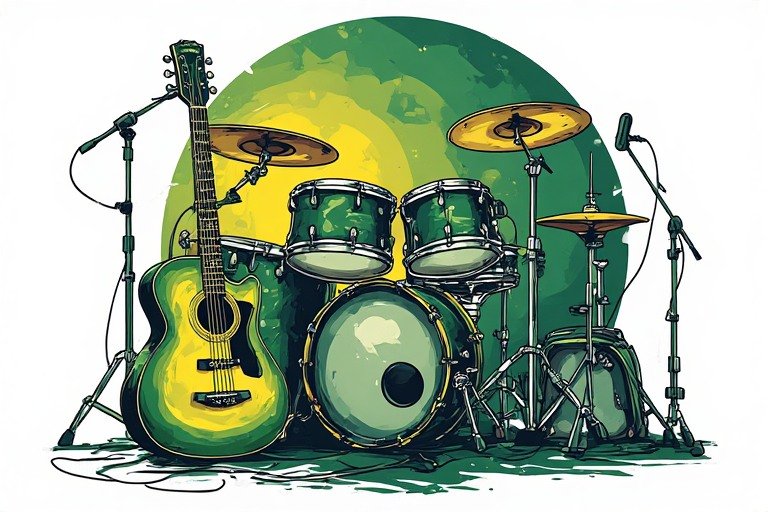
The Power of Representation
In an age where digital identities are as significant as our physical ones, the emergence of diverse avatars has sparked a conversation about representation in music culture. These avatars serve not only as a visual representation of individual creativity but also as a reflection of the multifaceted identities within the music community. From vibrant colors to unique styles, each avatar tells a story, echoing the diverse backgrounds and experiences that shape the music we love.
Symbolism in Style
Avatars in the music realm often encapsulate more than just aesthetics; they symbolize cultural movements and social narratives. For instance, the punk rock aesthetic, with its edgy hairstyles and rebellious attire, represents a defiance against societal norms. Similarly, hip-hop avatars often incorporate elements of street culture, showcasing the genre’s roots in urban identity and resilience. These visual expressions are powerful tools for musicians and fans alike, allowing them to communicate their beliefs and affiliations without uttering a single word.
Curating Community
The creation of diverse avatars fosters a sense of community among music lovers. Platforms that allow users to select or design avatars based on their musical tastes encourage interaction and connection. This visual language transcends geographical boundaries, enabling fans from different backgrounds to unite over shared passions. The avatars become a badge of honor, showcasing not only musical preferences but also personal identity, thereby enriching the cultural tapestry of the music scene.
Controversies and Conversations
However, the use of avatars is not without its controversies. Discussions around cultural appropriation often arise when avatars draw inspiration from cultures outside their creators’ own. This raises important questions about authenticity and respect in artistic expression. While some argue that borrowing elements from different cultures can promote unity and appreciation, others caution against commodifying cultural symbols without understanding their significance. These conversations highlight the delicate balance between inspiration and appropriation in the ever-evolving landscape of music and identity.
Imagining the Future
As technology continues to advance, the potential for avatars in music culture is limitless. Virtual reality concerts and online music communities are paving the way for more immersive experiences, where avatars can interact in real-time. This evolution invites speculation on how musical identities will be represented in the future. Will avatars become even more personalized, reflecting not just musical tastes but also emotional states and life experiences? The possibilities are as diverse as the music itself.
Conclusion: A Canvas of Creativity
In conclusion, diverse avatars in the music world are more than mere digital representations; they are a canvas for creativity, identity, and community. As we navigate the complexities of representation, symbolism, and cultural narratives, these avatars remind us of the rich tapestry of voices that contribute to the global music landscape. They invite us to explore, connect, and celebrate the diversity that defines our musical experiences.
CONTINUE TO MAIN POST
The Art of Identity: Exploring Diverse Avatars in Music Culture Related Posts
- SHAMAN| FAIRY TALE (OFFICIAL VIDEO CLIP)The official video clip for "Fairy Tale" by the band …
- Emerging Capabilities: Progress, Limits, DilemmasLarge language models now deliver measurable gains in summarization, coding, …
- The Art of Identity: Exploring Diverse Avatars in Music CultureExplore the significance of diverse avatars in music culture, examining …