
Echidna: The Mother Of Monsters In Greek Mythology
Echidna, often known as the ' Mother of Monsters,' is a pivotal figure in Greek mythology, embodying the duality of beauty and terror through her hybrid form and fearsome offspring.
Echidna, often known as the ' Mother of Monsters,' is a pivotal figure in Greek mythology, embodying the duality of beauty and terror through her hybrid form and fearsome offspring.
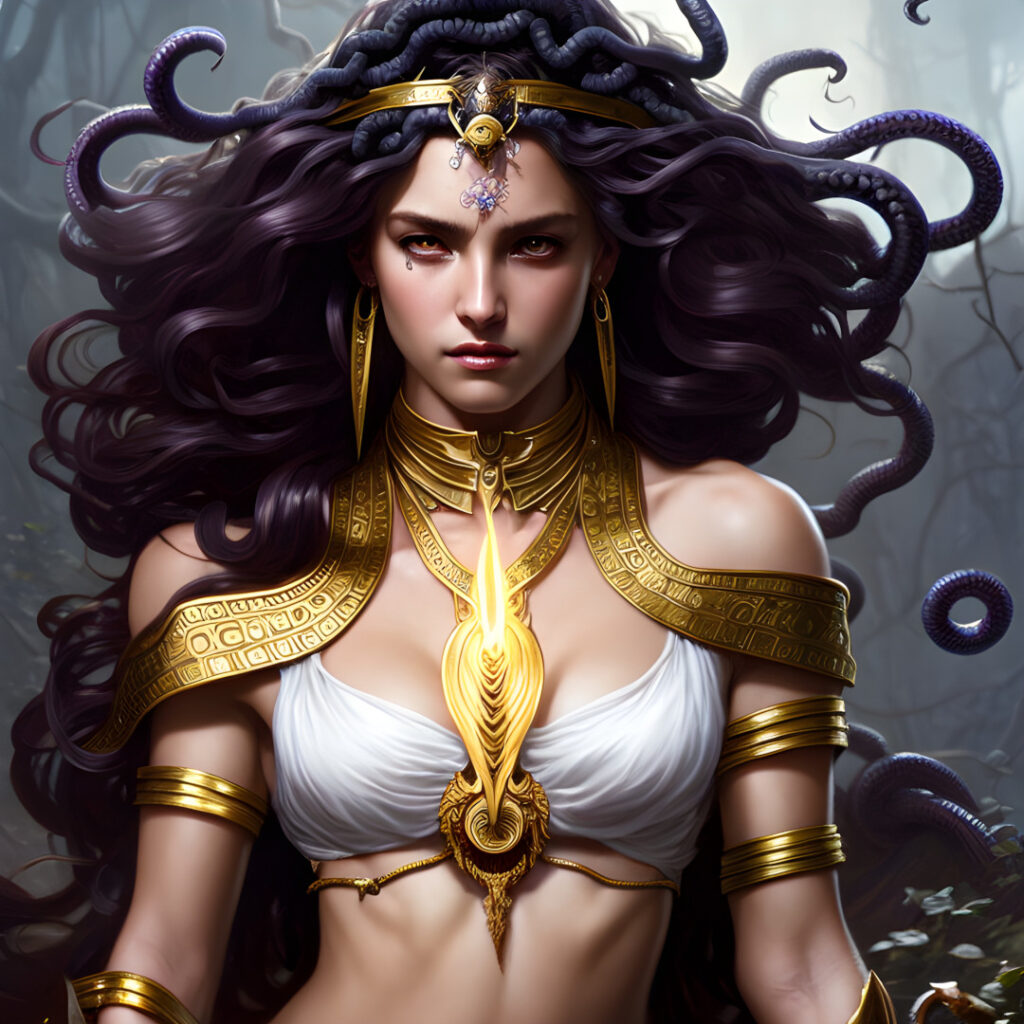
Medusa, a figure from Greek mythology, is often depicted as a monstrous woman with snakes for hair, capable of turning onlookers to stone. Once a beautiful priestess of Athena, she was cursed by the goddess after being assaulted by Poseidon. While traditionally viewed as a villain, interpretations vary, with some seeing her as a victim of divine cruelty. Medusa's image endures in art and culture, symbolizing the complexities of beauty and temptation.
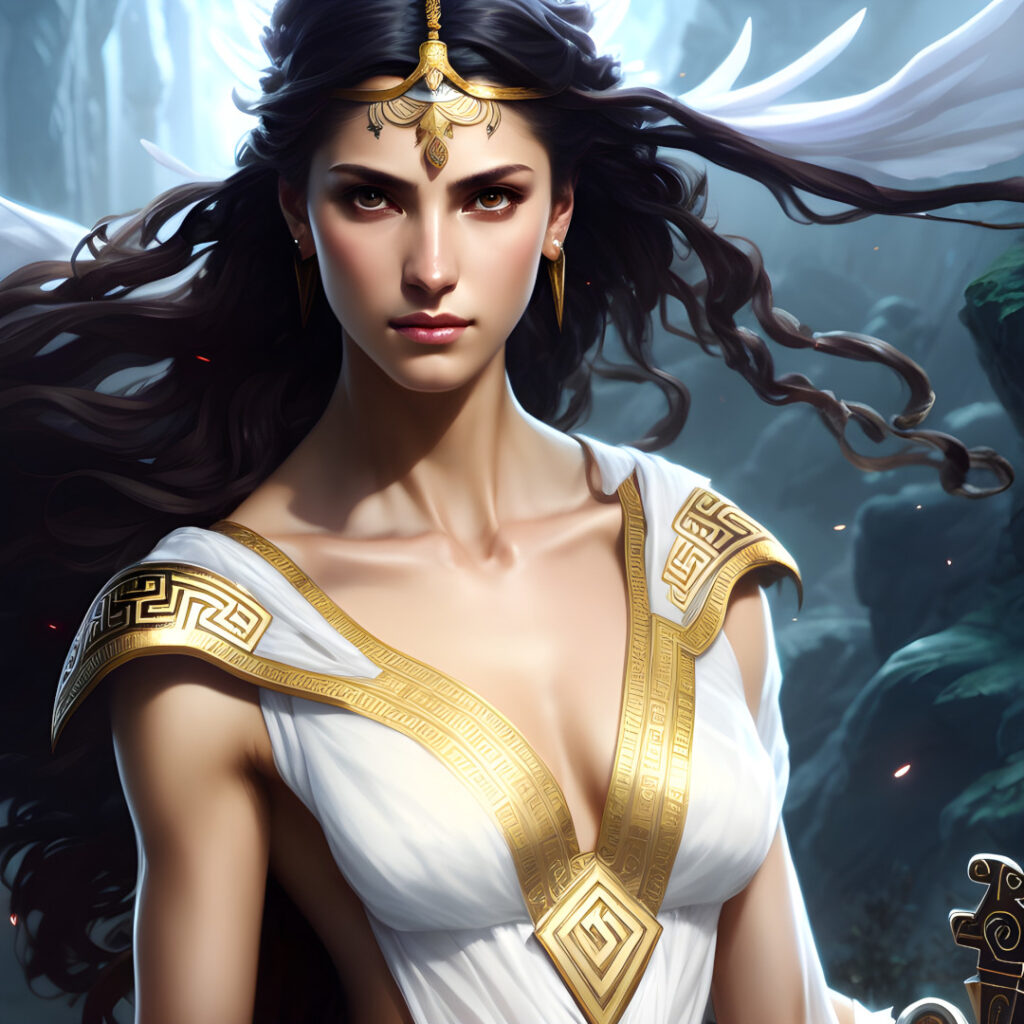
Cassandra, a figure from Greek mythology, was the daughter of King Priam of Troy, known for her beauty and prophetic abilities. After rejecting Apollo's advances, she was cursed to have her accurate predictions, including the fall of Troy, ignored. Her tragic fate culminated in her death at the hands of Agamemnon, highlighting the theme of truth tellers being dismissed by those in power.

Merope, one of the Pleiades in Greek mythology, is known for her tragic story. She married Sisyphus, the deceitful king of Corinth, which led to her losing her divine radiance. Their family faced misfortune, culminating in Sisyphus's eternal punishment by Zeus. Despite her sorrowful fate, Merope remains a symbol of beauty and grace, inspiring countless artistic representations throughout history.
Aphrodite, the ancient Greek goddess of love, beauty, and pleasure, holds a significant place in mythology. Born from sea foam, she embodies passion and desire, influencing both mortals and gods. Her dual nature evokes love and jealousy, making her a complex figure. Revered throughout history, Aphrodite's legacy continues to shape art, literature, and culture today.