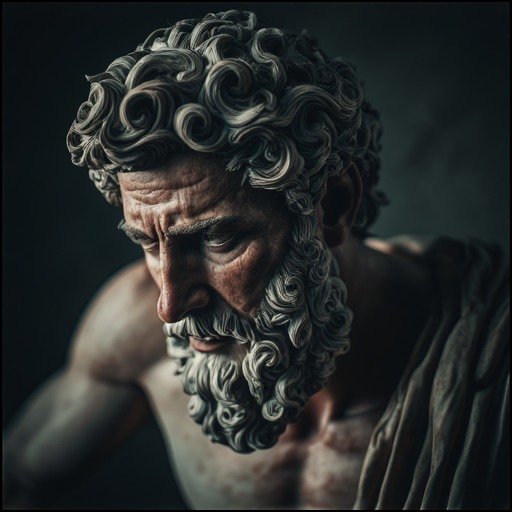
The image explores the pantheon of Greek gods, detailing their roles, attributes, and significance in ancient mythology. It highlights the complex relationships among deities and their influence on Greek culture, literature, and religion. Each god's unique characteristics and stories contribute to a rich tapestry of beliefs that shaped the ancient Greek worldview.
ANKH TV Images Gallery








Pantheon Greek Gods 17 Related Posts
- Eulimene: The Enigmatic Nymph of the Sea and Her Mystical LegacyEulimene, a lesser-known sea nymph in Greek mythology, embodies the nurturing qualities of the ocean. Despite her limited presence in major myths, her essence invites exploration of the mystical themes and supernatural tales that shape our understanding of nature.
- Eudora: The Enigmatic Nymph of Abundance and Her Legacy in MythologyEudora, a lesser-known nymph of abundance in Greek mythology, symbolizes the life-giving properties of water and invites exploration of nature's reverence in ancient narratives.
- Dirce: The Nymph of Greek MythologyDirce is a nymph from Greek mythology, known for her association with water and her role in the stories surrounding Thebes.