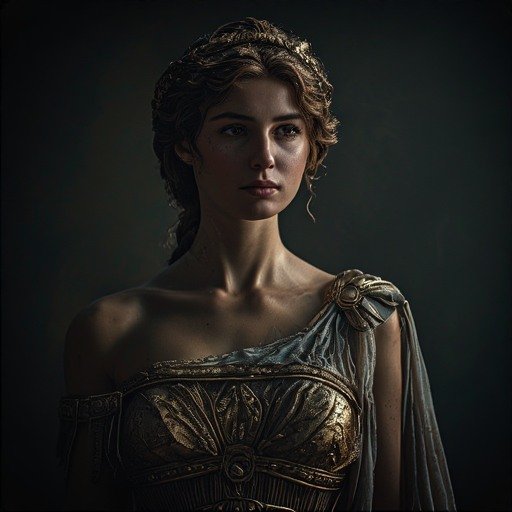
The image explores the significance of Greek goddesses within the Pantheon, highlighting their diverse roles and attributes. It examines their influence on mythology, culture, and art, illustrating how these deities embody various aspects of human experience. The piece provides insights into the enduring legacy of these figures in contemporary society and their relevance in modern interpretations.
ANKH TV Images Gallery








Pantheon Greek Goddesses 60 Related Posts
- Oreithyia: The Nymph of the Winds in Greek MythologyOreithyia is a notable figure in Greek mythology, a nymph representing the winds and nature's untamed aspects, particularly through her story of abduction by Boreas.
- Echoes of Olympus: The Resonance of Greek Mythology in Modern MusicExplore the profound connection between ancient Greek mythology and modern music, where the timeless narratives of gods and goddesses serve as both muse and mirror for today's artists. Discover how figures like Orpheus and Calliope continue to inspire contemporary musicians, reflecting the complexities of human emotion and cultural expression.
- The Mythological Entity Clytie: A Nymph of Greek TraditionClytie, a figure from Greek mythology, is often recognized as a nymph associated with the sun and the natural elements. Her story embodies themes of love, jealousy, and transformation.