DISCO 70’S
Playlist Details
Disco is a genre of dance music and a cultural movement that emerged in the 1970s from the urban nightlife of the United States, defined by its club-oriented rhythms, emphasis on producers, and close relationship with mass media. Artists such as Donna Summer, Gloria Gaynor, the Bee Gees, Chic, KC and the Sunshine Band, Thelma Houston, Sister Sledge, the Trammps, Village People, and Michael Jackson came to symbolize the sound and image of the era. While singers and performers occupied the spotlight, it was often record producers working behind the scenes who shaped the genre’s sonic identity. Films like Saturday Night Fever (1977) and Thank God It’s Friday (1978) helped push disco into the global mainstream — a process that also opened the door for European studio projects such as Boney M. to translate the language of disco into a distinctly international form.
Boney M.: between disco, the studio, and European pop culture
Boney M. occupies a peculiar place in the history of popular music in the 1970s. Often remembered for their catchy choruses and extravagant aesthetic, the group is frequently treated in a superficial way — either as mere television entertainment or as an artificial product of the disco era. This view, however, ignores both the historical context and the real impact of their music.
Created by producer Frank Farian, Boney M. was, above all, a studio project, something common in European disco music at the time. The separation between those who recorded the vocals and those who performed live later generated controversy, but this was not an exception within the logic of the disco industry, which prioritized rhythm, repetition, and sonic efficiency over the idea of an “organic band” inherited from rock culture.
Musically, the group fits clearly within the disco universe, with steady 4/4 beats, pulsating bass lines, and arrangements designed for the dance floor. Songs such as “Daddy Cool”, “Ma Baker”, and “Rasputin” fulfill exactly this function: they are songs made for movement, not introspection. At the same time, they carry a strong pop melodic sense, which helped expand disco beyond the clubs.
The reason Boney M. appears less frequently in many classic disco narratives is related less to the music itself and more to the cultural construction of the genre, which is often centered on the United States and on specific social and geographic contexts. As a representative of Eurodisco, the group ended up being treated as peripheral, despite its enormous international success.
Seen today, Boney M. represents well the more accessible and global face of disco music: less tied to the underground club scene and more connected to mass culture, television, and the European market. Recognizing this does not diminish the group — on the contrary, it helps place them in their proper position as a legitimate, efficient, and historically relevant pop-disco phenomenon.
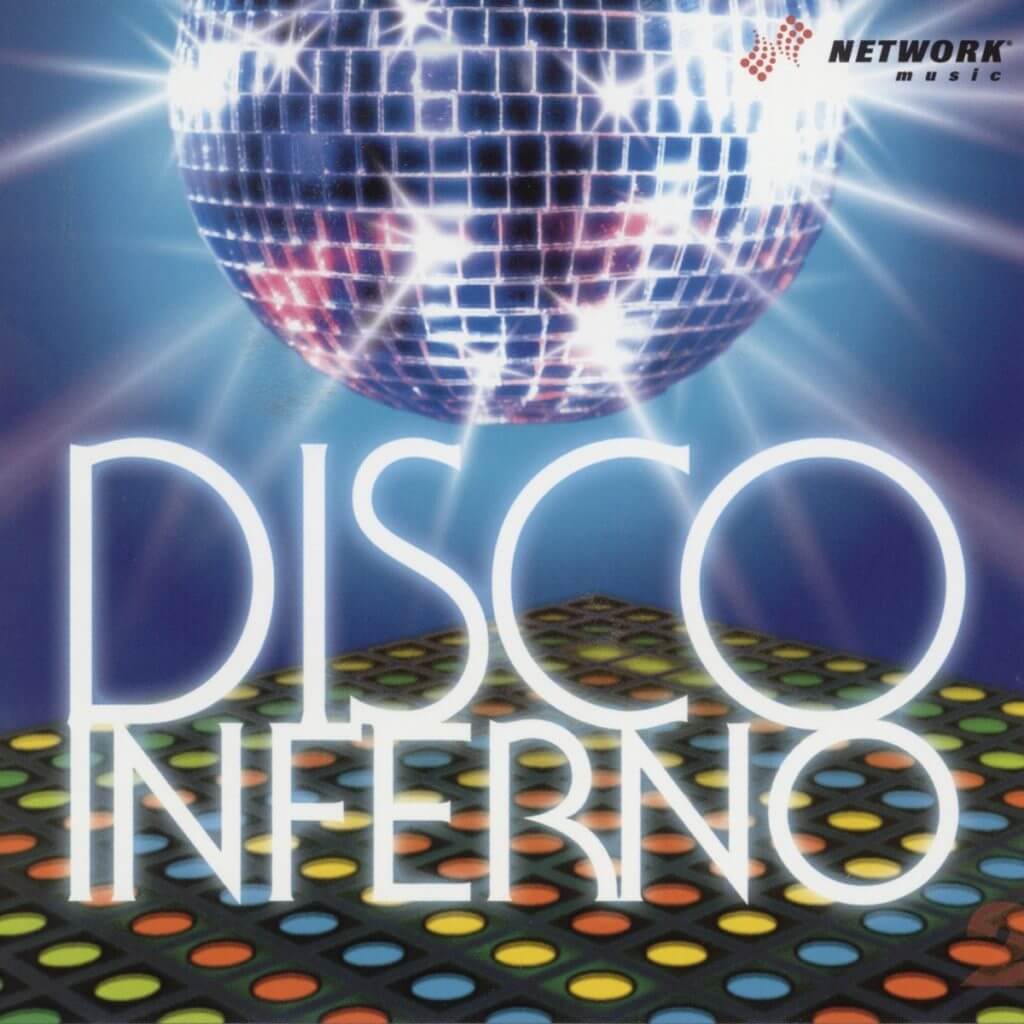
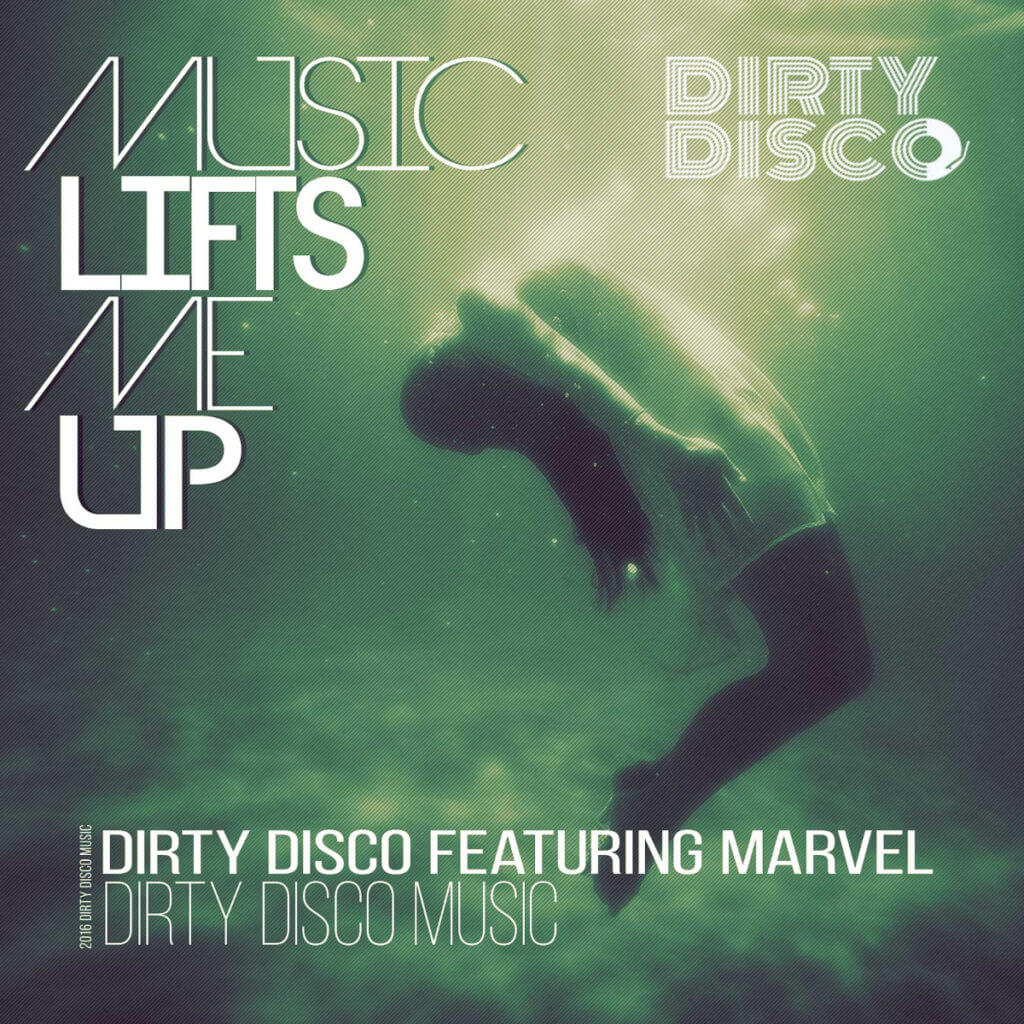
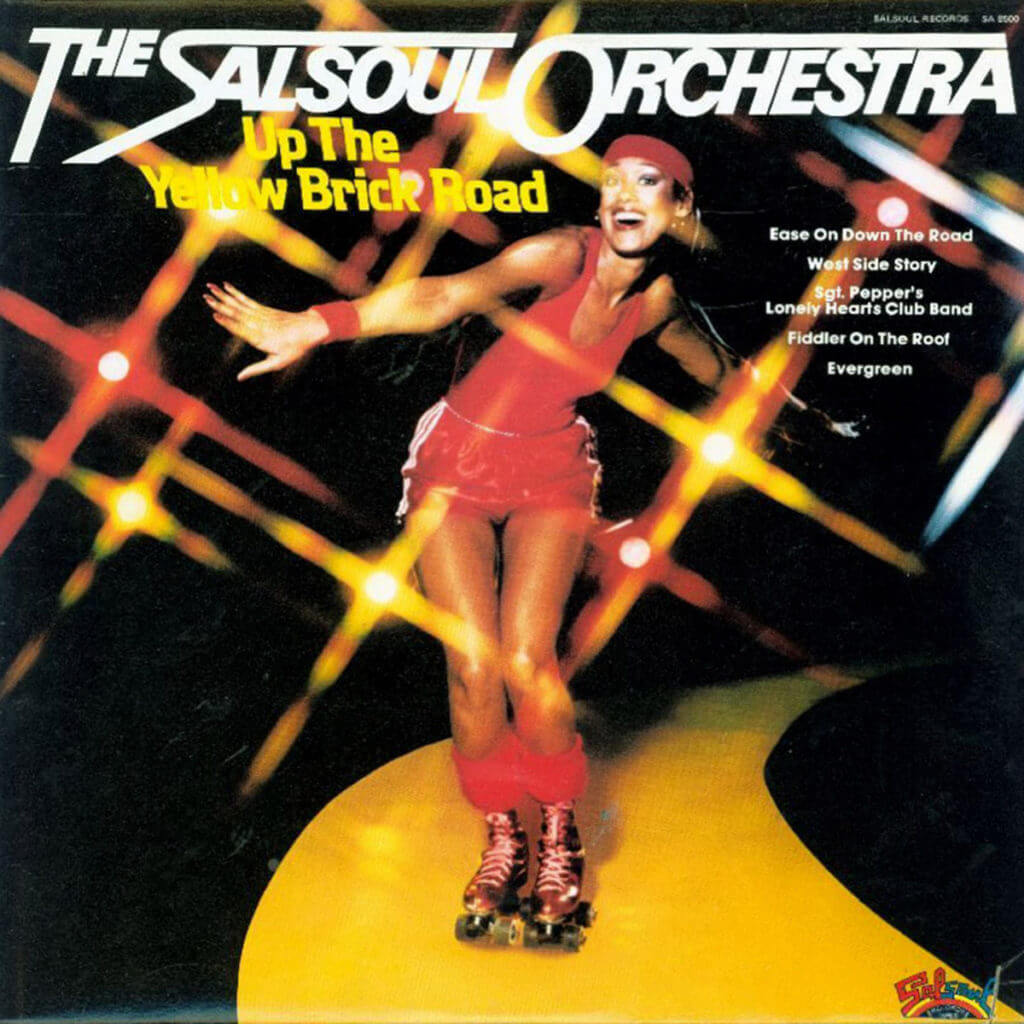
Disco Music Cover Art




Disco Vinil Art Video
More Cover Arts
Disco 70’s Related Posts
- The Allure of Heartbreak: Exploring the Melancholy of ‘Midnight Shoes and Broken Vows’In the world of music, heartbreak has always been a …
- Elina Siirala: The Voice of Myth and MetalElina Siirala, the Finnish soprano and frontwoman of Leaves' Eyes, …
- The Enigmatic Echoes of Naiads in Music and MythExplore the enchanting yet perilous world of Naiads in music, …
- IMPERIAL AGE – Windborn (Official Music Video)Imperial Age has released the official music video for "Windborn," …
- Black Road – Hash King (OFFICIAL VIDEO)"Hash King," the fifth track from Black Road's debut album …
- Delain We Are The OthersDelain's album "We Are The Others" features a blend of …