

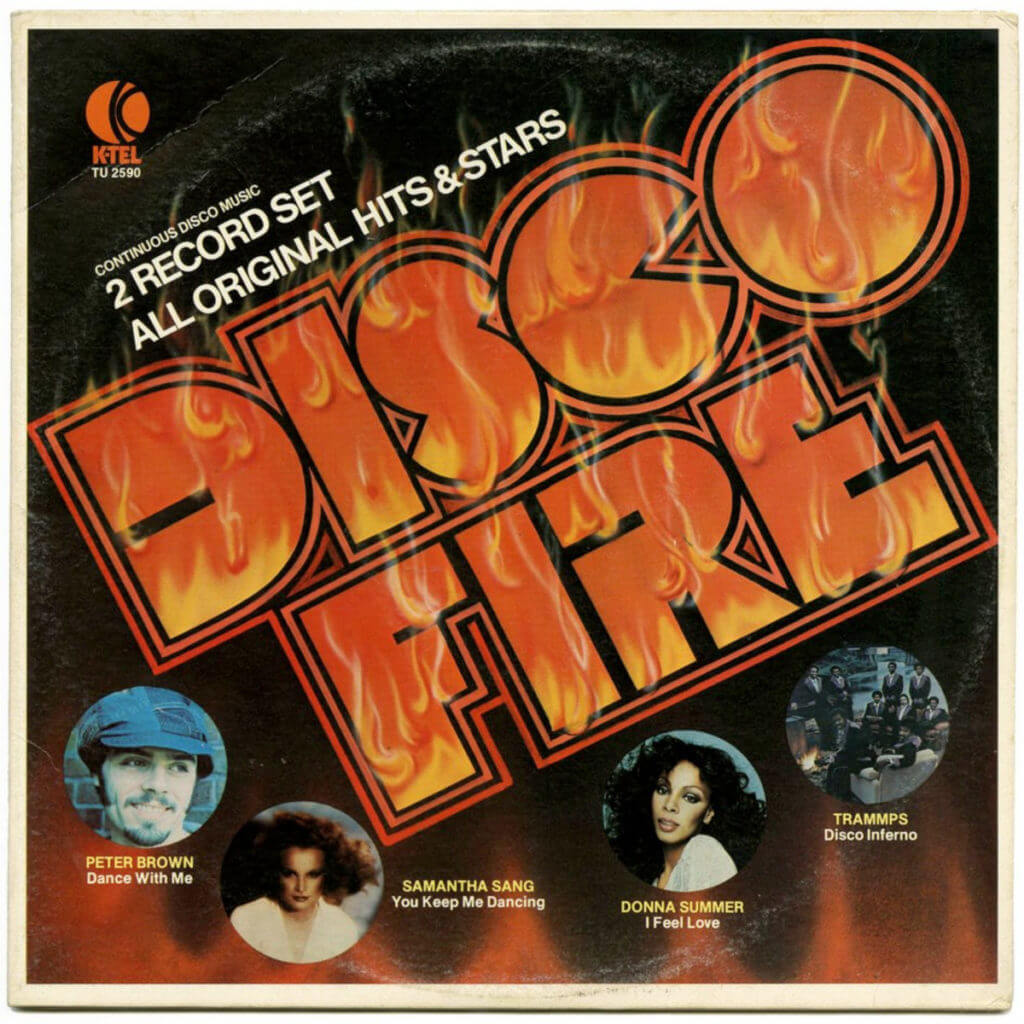


Disco emerged in the 1970s as a defining sound of the American urban nightlife, blending dance music with a powerful cultural identity. Born in underground clubs and dance halls of cities like New York and Philadelphia, disco drew strong influence from Black, Latino, and LGBTQ+ communities, where music served as both escape and affirmation. What began as a local club sound quickly evolved into an international movement that reshaped popular music and nightlife culture.
The musical language of disco is instantly recognizable: a driving four-on-the-floor rhythm, expressive bass grooves, sweeping orchestral strings, handclaps, and soulful vocals. These elements were crafted to create a continuous flow of energy, encouraging long, communal moments on the dance floor. Producers and performers such as Giorgio Moroder, Donna Summer, Chic, and The Bee Gees refined this sound, helping disco cross from nightclubs into radio, film, and global pop charts.
Disco was never just about music—it was a lifestyle and a visual statement. Fashion played a central role, with bold silhouettes, shimmering fabrics, and androgynous styles that challenged traditional norms. Dance spaces became arenas of freedom and reinvention, where individuality was celebrated and social barriers dissolved. The culture surrounding disco emphasized inclusivity, pleasure, and self-expression at a time of significant social change.
Although the genre faced a sharp decline in mainstream popularity toward the end of the decade, its legacy endured. Disco laid the groundwork for house, techno, and modern electronic dance music, and its influence can still be heard in contemporary pop and club tracks. Today, disco stands as a symbol of creative liberation—a genre that transformed nightlife into a shared ritual of rhythm, movement, and identity.
Disco Music CD/LP (vinyl disc) Art – Covers 2 Related Posts
- Short Songs Over IPFS: A New Era for Indie Music and Digital ArtistryExplore the innovative world of Short Songs Over IPFS, where …
- The Storm Within: Epica’s ‘Storm the Sorrow’ and the Power of Metal MusicEpica's 'Storm the Sorrow' transcends mere music, inviting listeners into …
- The Enigmatic Allure of Evil Beauty in MusicThe concept of 'Evil Beauty' in music invites listeners to …
- The Enigmatic Allure of Sirenia’s ‘This Curse of Mine’: A Deep Dive into Symbolism and EmotionSirenia's 'This Curse of Mine' is a profound exploration of …
- A Prisão do Pensamento – Ecos do ProibidoUm mantra psicodélico contra a censura, Ecos do Proibido transforma …
- The Dark Allure of Fear: Rammstein’s ‘Angst’ and Its Cultural ResonanceRammstein's 'Angst' delves into the primal theme of fear, exploring …
- Dancing Like Flames: The Symbolism of Lorna Shore’s ‘Pain Remains I’Lorna Shore's 'Pain Remains I, Dancing Like Flames' delves into …
- The Enigmatic Allure of Arkona: A Deep Dive into ‘Mantra (Intro) / Shtorm’Arkona's 'Mantra (Intro) / Shtorm' is a sonic journey that …