She’s crazy like a fool
What about it Daddy Cool
I’m crazy like a fool
What about it Daddy Cool
Daddy, Daddy Cool
Daddy, Daddy Cool
Daddy, Daddy Cool
Daddy, Daddy Cool
She’s crazy like a fool
What about it Daddy Cool
I’m crazy like a fool
What about it Daddy Cool
She’s crazy like a fool
What about it Daddy Cool
I’m crazy like a fool
What about it Daddy Cool
Daddy, Daddy Cool
Daddy, Daddy Cool
Daddy, Daddy Cool
Daddy, Daddy Cool
She’s crazy like a fool
What about it Daddy Cool
I’m crazy like a fool
What about it Daddy Cool
I’m born again, I feel free
No longer alone
A bright light is shinning
And shows me a world that I own
I can see my way through
I know I will walk beside you
All those prayers of mine weren’t in vain
I’m born again
I’m born again, I feel free
There’s a quite different me
No longer I’m tossed like a ship
On an unruly sea
I’ve been blessed with a love
That’s meant for the rest of my time
All those prayers they were not in vain
I’m born again
Since love touched my heart right
My life has a meaning
I feel I’m no longer drifting in space
I believe once again that there is a tomorrow
A brand new tomorrow, I know I can face
I’m born again, I feel free
No longer alone
A bright light is shinning
And shows me a world that I own
I can see my way through
I know I will walk beside you
All those prayers of mine weren’t in vain
I’m born again
All those prayers they weren’t in vain
‘Cause I’m born again
He left on a boat
Just to follow a dream
He had to find
You can’t hold a man
When he follows a dream
That’s on his mind
I see a boat on the river
It’s sailing away
Down to the ocean
Where to I can’t say
Boat on the river
It’s sailing away
Down to the ocean
Where to I can’t say
I waited for him
Such a very long time
Don’t Know what for
’cause I should have known
When he left on the boat
We’ll meet no more
I see a boat on the river
It’s sailing away
Down to the ocean
Where to I can’t say
Boat on the river
It’s sailing away
Down to the ocean
Where to I can’t say
Boat on the river
It’s sailing away
Down to the ocean
Where to I can’t say
Boat on the river
You’re bound for the sea
If you should find him
Please greet him from me
There were people who came
And said it’s really a shame
Why did he take off
To follow just a dream
But I guess they were wrong
In life you’re sailing along
And things don’t turn out
As simple as they seem
Boat on the river
It’s sailing away
Down to the ocean
Where to I can’t say
I see a boat on the river
It’s sailing away
Down to the ocean
Where to I can’t say
I see a boat on the river
You’re bound for the sea
If you should find him
Please greet him from me
We are Children of Paradise
When the Lord created us
All his work was through
Then the Children of Paradise
Did the only thing
They really shouldn’t do
Children of Paradise
We started out there
Full of innocence in our eyes
And without a care
We’re Children of Paradise
We knew of no crime
Until one of the meanest lines
Has changed our time
It was long ago
In the early morning glow
When it all began
With Adam and Eve
They were young and free
And for all eternity
They were meant to feel
No trouble, no grief
Children of Paradise
We started out there
Full of innocence in our eyes
And without a care
We’re Children of Paradise
In search of the light
That was put out in Paradise
And started the night
It was long ago
In the early morning glow
When it all began
With Adam and Eve
They were young and free
And for all eternity
They were meant to feel
No trouble, no grief
We are Children of Paradise
When the Lord created us
All his work was through
Then the Children of Paradise
Did the only thing
They really shouldn’t do
Aaahhh…
We’re Children of Paradise
Who didn’t obey
When we followed the wrong advice
We wandered astray
We’re Children of Paradise
In search of the light
That was put out in Paradise
And started the night
It was long ago
In the early morning glow
When it all began
With Adam and Eve
They were young and free
And for all eternity…
Sunny, yesterday my life was filled with rain
Sunny, you smiled at me and really eased the pain
The dark days are gone, and the bright days are here
My Sunny one shines so sincere
Sunny one so true, I love you
Sunny, thank you for the sunshine bouquet
Sunny, thank you for the love you brought my way
You gave to me your all and all
Now I feel ten feet tall
Sunny one so true, I love you
Sunny, thank you for the truth you let me see
Sunny, thank you for the facts from A to Z
My life was torn like a windblown sand
And the rock was formed when you held my hand
Sunny one so true, I love you
Sunny
Sunny, thank you for the smile upon your face
Sunny, thank you for the gleam that shows its grace
You’re my spark of nature’s fire
You’re my sweet complete desire
Sunny one so true, I love you
Sunny, yesterday my life was filled with rain
Sunny, you smiled at me and really eased the pain
The dark days are gone, and the bright days are here
My Sunny one shines so sincere
Sunny one so true, I love you
I love you
I love you
I love you
I love you
I love you
I love you
By the rivers of Babylon, there we sat down
ye-eah we wept, when we remembered Zion.
By the rivers of Babylon, there we sat down
ye-eah we wept, when we remembered Zion.
When the wicked
Carried us away in captivity
Required from us a song
Now how shall we sing the lord’s song in a strange land
When the wicked
Carried us away in captivity
Requiering of us a song
Now how shall we sing the lord’s song in a strange land
Let the words of our mouth and the meditations of our heart
be acceptable in thy sight here tonight
Let the words of our mouth and the meditation of our hearts
be acceptable in thy sight here tonight
By the rivers of Babylon, there we sat down
ye-eah we wept, when we remembered Zion.
By the rivers of Babylon, there we sat down
ye-eah we wept, when we remembered Zion.
By the rivers of Babylon (dark tears of Babylon)
there we sat down (You got to sing a song)
ye-eah we wept, (Sing a song of love)
when we remember Zion. (Yeah yeah yeah yeah yeah)
By the rivers of Babylon (Rough bits of Babylon)
there we sat down (You hear the people cry)
ye-eah we wept, (They need their God)
when we remember Zion. (Ooh, have the power)
Digge ding ding ding digge digge ding ding
Hey – di – hey – di – hoh
Digge ding ding ding digge digge ding ding
Hey – di – hey – di – hoh
There’s a place I know where we should go – heydiheydihoh
Won’ t you take me there your lady fair – heydiheydihoh
There’s a brook near-by the grass grows high – heydiheydihoh
Where we both can hide side by side – heydiheydihoh
Hooray! Hooray! It’s A Holi-Holiday
What a world of fun for everyone, holi-holiday
Hooray! Hooray! It’s A Holi-Holiday
Sing a summer song, skip along, holi-holiday
It’s a holi-holiday
There’s a country fair not far from there – heydiheydihoh
On a carousel the dingdong bell – heydiheydihoh
On the loop di loop we swing and swoop – heydiheydihoh
And what else we’ll do is up to you – heydiheydihoh
Hooray! Hooray! It’s A Holi-Holiday
What a world of fun for everyone, holi-holiday
Hooray! Hooray! It’s A Holi-Holiday
Sing a summer song, skip along, holi-holiday
It’s a holi-holiday
Well, I’m game
Fun is the thing I’m after
Now let’s a’live it up today
Get set for love and laughter
Well, let’s go
Time isn’t here for wasting
Life is so full of sweet sweet things
I’d like to do some tasting
Hooray! Hooray! It’s A Holi-Holiday
What a world of fun for everyone, holi-holiday
Hooray! Hooray! It’s A Holi-Holiday
Sing a summer song, skip along, holi-holiday
It’s a holi-holiday
In the country side we take a ride – heydiheydihoh
Where the stars will shine lots of time – heydiheydihoh
Back of your old car we might get far – heydiheydihoh
In the summerbreeze we feel at ease – heydiheydihoh
Hooray! Hooray! It’s A Holi-Holiday
What a world of fun for everyone, holi-holiday
Hooray! Hooray! It’s A Holi-Holiday
Sing a summer song, skip along, holi-holiday
It’s a holi-holiday
There lived a certain man in Russia long ago
He was big and strong, in his eyes a flaming glow
Most people looked at him with terror and with fear
But to Moscow chicks he was such a lovely dear
He could preach the bible like a preacher
Full of ecstasy and fire
But he also was the kind of teacher
Women would desire
RA RA RASPUTIN
Lover of the Russian queen
There was a cat that really was gone
RA RA RASPUTIN
Russia’s greatest love machine
It was a shame how he carried on
He ruled the Russian land and never mind the Czar
But the kasachok he danced really wunderbar
In all affairs of state he was the man to please
But he was real great when he had a girl to squeeze
For the queen he was no wheeler dealer
Though she’d heard the things he’d done
She believed he was a holy healer
Who would heal her son
RA RA RASPUTIN
Lover of the Russian queen
There was a cat that really was gone
RA RA RASPUTIN
Russia’s greatest love machine
It was a shame how he carried on
But when his drinking and lusting and his hunger
For power became known to more and more people
The demands to do something about this outrageous
Man became louder and louder
“This man’s just got to go!” declared his enemies
But the ladies begged “Don’t you try to do it, please”
No doubt this Rasputin had lots of hidden charms
Though he was a brute they just fell into his arms
Then one night some men of higher standing
Set a trap, they’re not to blame
“Come to visit us” they kept demanding
And he really came
RA RA RASPUTIN
Lover of the Russian queen
They put some poison into his wine
RA RA RASPUTIN
Russia’s greatest love machine
He drank it all and he said “I feel fine”
RA RA RASPUTIN
Lover of the Russian queen
They didn’t quit, they wanted his head
RA RA RASPUTIN
Russia’s greatest love machine
And so they shot him till he was dead
Got to have a believin’
Got to have a believin’
Got to have a believin’
All the people
Cause the people are leavin’
When the people believin’
When the people believin’
When the people believin’
All the children cause the children
Are leavin’
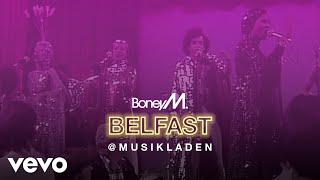
Belfast
Belfast
When the country rings the leaving bell you’re lost
Belfast
Belfast
When the hate you have
For one another’s past
You can try (You can try)
You can try (You can try)
You can try
To tell the world the reason why
Belfast
Belfast
Belfast
It’s the country that’s changin’
It’s the country that’s changin’
It’s the country that’s changin’
All the people
Cause the people are leavin’
It’s the world that’s deceivin’
It’s the world that’s deceivin’
It’s the world that’s deceivin’
All the people
Cause the people believin’
When the children believin’
When the children believin’
When the children believin’
All the people
Cause the people are leavin’
When the people are leavin’ (you)
When the people are leavin’
When the people are leavin’
All the children
Cause the children believin’
Mama
Oh mama
Now mama
Come tell me that you wanna
You wanna
Oh mama
In my pyjama.
My imagination carry my mind away
Only Margherita feel like a holiday.
Mama
Oh mama
Now mama
Come tell me that you wanna
You wanna
Oh mama
You wild madonna
Mama
Oh mama
Now mama
Come tell me that you
Felicidad
And I can’t help but feeling this way
You’re the one who can change my tomorrow toda
Felicidad
Won’t you ride on the wings of my fantasy
And this summersong will last a whole life long.
Only Margherita love like America
Only Margherita take me to shangri-la.
Mama
Oh mama
Now mama
Come tell me that you wanna
You wanna
Oh mama
You wild madonna
Mama
Oh mama
Now mama
Come tell me that you
.. .
Felicidad
.. .
Mama
Mama
Mama
Oh mama
FREEZE! I’m Ma Baker – put your hands in the air,
gimme all your money
– This is the story of Ma Baker, the meanest cat
from ol’ Chicago town
She was the meanest cat
In old Chicago town
She was the meanest cat
She really moved them down
She had no heart at all
No no no heart at all
She was the meanest cat
Oh she was really tough
She left her husband flat
He wasn’t tough enough
She took her boys along
‘cos they were mean and strong
Ma Ma Ma Ma – Ma Baker – she taught her four sons
Ma Ma Ma Ma – Ma Baker – to handle their guns
Ma Ma Ma Ma – Ma Baker – she never could cry
Ma Ma Ma Ma – Ma Baker – but she knew how to die
They left a trail of crime
Across the U.S.A.
And when one boy was killed
She really made them pay
She had no heart at all
No no no heart at all
Ma Ma Ma Ma – Ma Baker – she taught her four sons
Ma Ma Ma Ma – Ma Baker – to handle their guns
Ma Ma Ma Ma – Ma Baker – she never could cry
Ma Ma Ma Ma – Ma Baker – but she knew how to die
she met a man she liked
she thought she’d stay with him
one day he formed with them
they did away with him
she didn’t care at all
just didn’t care at all
– Here is a special bulletin.
Ma Baker is the FBI’s most wanted woman.
Her photo is hanging on every post office wall.
If you have any information about this woman,
please contact the nearest police station…
– Don’t anybody move! The money or your lives!
One day they robbed a bank
it was their last foray
the cops appeared too soon
they couldn’t get away
and all the loot they had
it made them mighty mad
and so they shot it out
Ma Baker and her sons
they didn’t want to hang
they died with blazing guns
and so the story ends
of one who left no friends
Ma Ma Ma Ma – Ma Baker – she taught her four sons
Ma Ma Ma Ma – Ma Baker – to handle their guns
Ma Ma Ma Ma – Ma Baker – she never could cry
Ma Ma Ma Ma – Ma Baker – but she knew how to die
Ma Ma Ma Ma – Ma Baker – she taught her four sons
Ma Ma Ma Ma – Ma Baker – to handle their guns
Ma Ma Ma Ma – Ma Baker – she never could cry
Ma Ma Ma Ma – Ma Baker – but she knew how to die
Disco is a genre of dance music and a cultural movement that emerged in the 1970s from the urban nightlife of the United States, defined by its club-oriented rhythms, emphasis on producers, and close relationship with mass media. Artists such as Donna Summer, Gloria Gaynor, the Bee Gees, Chic, KC and the Sunshine Band, Thelma Houston, Sister Sledge, the Trammps, Village People, and Michael Jackson came to symbolize the sound and image of the era. While singers and performers occupied the spotlight, it was often record producers working behind the scenes who shaped the genre’s sonic identity. Films like Saturday Night Fever (1977) and Thank God It’s Friday (1978) helped push disco into the global mainstream — a process that also opened the door for European studio projects such as Boney M. to translate the language of disco into a distinctly international form.
Boney M.: between disco, the studio, and European pop culture
Boney M. occupies a peculiar place in the history of popular music in the 1970s. Often remembered for their catchy choruses and extravagant aesthetic, the group is frequently treated in a superficial way — either as mere television entertainment or as an artificial product of the disco era. This view, however, ignores both the historical context and the real impact of their music.
Created by producer Frank Farian, Boney M. was, above all, a studio project, something common in European disco music at the time. The separation between those who recorded the vocals and those who performed live later generated controversy, but this was not an exception within the logic of the disco industry, which prioritized rhythm, repetition, and sonic efficiency over the idea of an “organic band” inherited from rock culture.
Musically, the group fits clearly within the disco universe, with steady 4/4 beats, pulsating bass lines, and arrangements designed for the dance floor. Songs such as “Daddy Cool”, “Ma Baker”, and “Rasputin” fulfill exactly this function: they are songs made for movement, not introspection. At the same time, they carry a strong pop melodic sense, which helped expand disco beyond the clubs.
The reason Boney M. appears less frequently in many classic disco narratives is related less to the music itself and more to the cultural construction of the genre, which is often centered on the United States and on specific social and geographic contexts. As a representative of Eurodisco, the group ended up being treated as peripheral, despite its enormous international success.
Seen today, Boney M. represents well the more accessible and global face of disco music: less tied to the underground club scene and more connected to mass culture, television, and the European market. Recognizing this does not diminish the group — on the contrary, it helps place them in their proper position as a legitimate, efficient, and historically relevant pop-disco phenomenon.
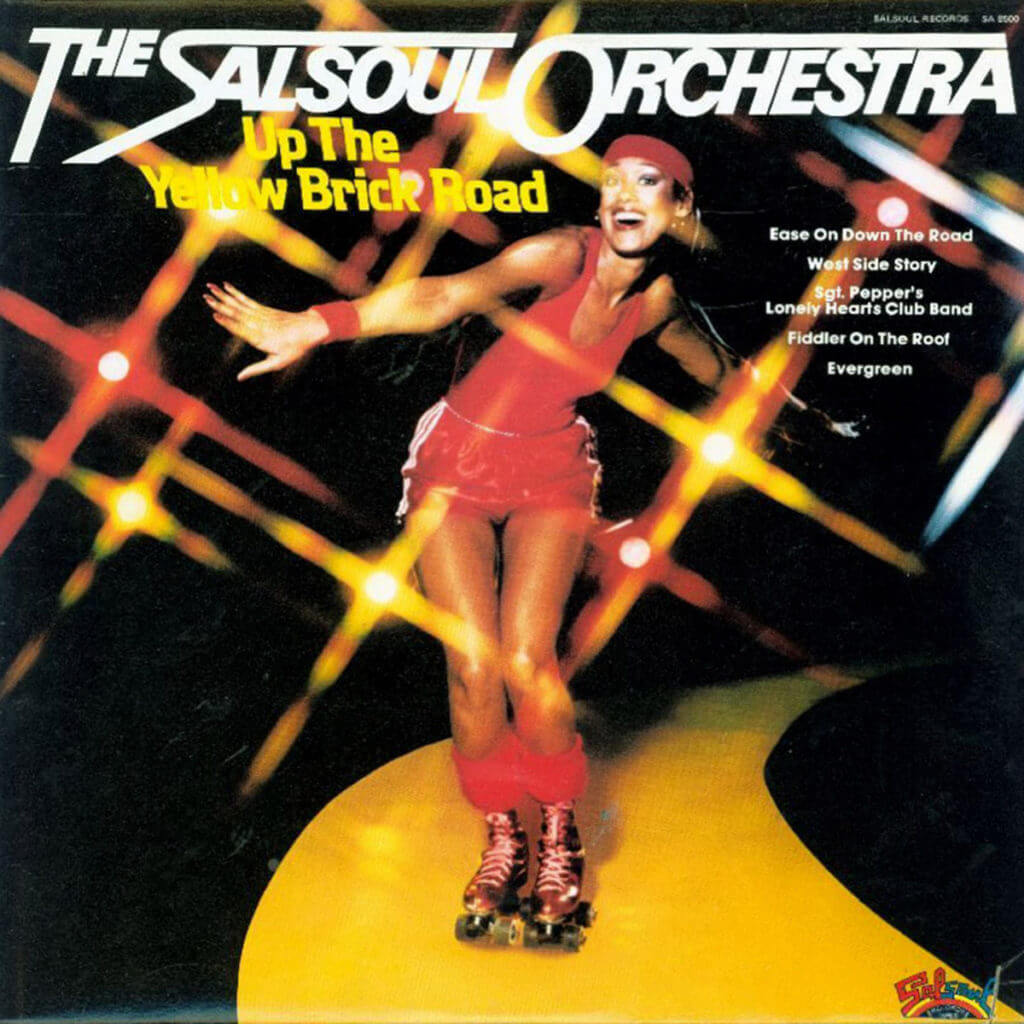
Disco Music Cover Art
Disco Music ArtDisco Music ArtDisco Music ArtDisco Music ArtDisco Music ArtDisco Music ArtDisco Music Art