The Resonance of Forgotten Deities
In the realm of music, the echoes of forgotten gods linger in the melodies that shape our cultural landscape. These deities, often overshadowed by contemporary figures, represent the archetypal forces that have influenced musicians throughout history. From the muse-like figures of ancient Greece to the shamanistic spirits of indigenous cultures, each has played a role in the creative process, inspiring artists to channel their energies into song. This connection to the divine not only enriches the music itself but also invites listeners to engage with the deeper meanings embedded in the sound.
Legends Interwoven with Sound
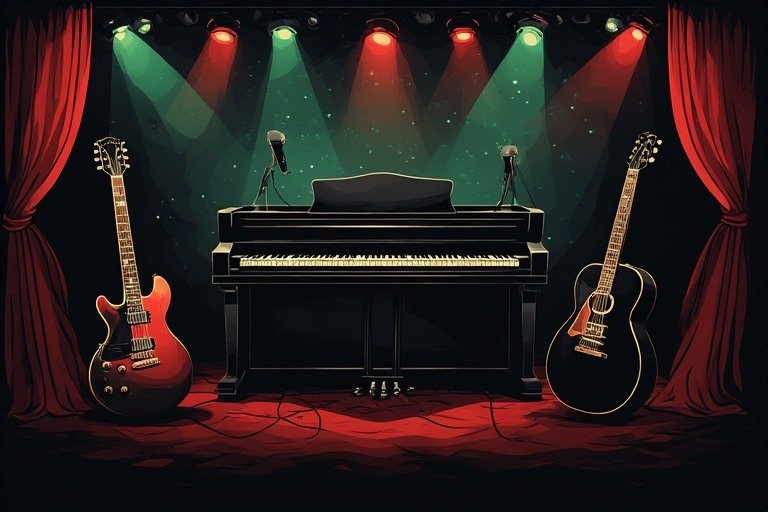
As we delve into the “Talking About Legends Photo Gallery,” we find a tapestry woven from the threads of mythology and music. Each image serves as a portal to a time when gods walked among us, their stories intermingling with the rhythms and harmonies of life. Musicians often draw upon these legends, infusing their work with the weight of history and the vibrancy of myth. The gallery captures this essence, allowing us to visualize the connections between legendary figures and the music that continues to resonate today.
Symbolism in Sound: A Cultural Reflection
The symbolic aspects of music are deeply rooted in the narratives of forgotten gods. For instance, the use of certain instruments can evoke the spirits of ancient cultures, reminding us of the rituals and ceremonies that once celebrated the divine. The drum, a heartbeat of the earth, symbolizes the connection between the physical and spiritual realms. In contrast, string instruments often represent the voice of the gods, weaving tales of love, loss, and transcendence. By understanding these symbols, we can appreciate how they inform the music we listen to today, creating a bridge between past and present.
Controversies and Interpretations
While the influence of forgotten gods on music is profound, it is not without controversy. Some argue that the appropriation of cultural symbols can dilute their original meanings, leading to a commodification of sacred traditions. Others contend that music serves as a universal language, capable of transcending boundaries and fostering understanding. As we explore these narratives, it becomes essential to navigate the fine line between appreciation and appropriation, ensuring that the voices of those who came before us are honored and respected.
Reviving the Myths Through Modern Soundscapes
The revival of these ancient stories in contemporary music is not merely a nostalgic longing; it is a recognition that these legends still hold relevance today. Artists are increasingly drawing inspiration from mythological themes, reinterpreting them for modern audiences. This resurgence invites listeners to engage with the past, encouraging a dialogue between generations. The “Talking About Legends Photo Gallery” serves as a visual reminder of this ongoing conversation, urging us to listen closely to the whispers of forgotten gods as they echo through the music of our time.
CONTINUE TO MAIN POST
Echoes of the Past: The Forgotten Gods of Music Related Posts
- Echoes of the Ether: The Enchantment of Seraphine Valk’s Mystical SoundscapesSeraphine Valk's mystical soundscapes serve as a bridge between ancient …
- Walk in Darkness LyricsThe article explores the themes and imagery present in the …
- Green Eyes – Saturnus – Dione, the Silent Oracle | An enigmatic and often overlooked figureThe article explores Dione, an often overlooked figure in Greek …