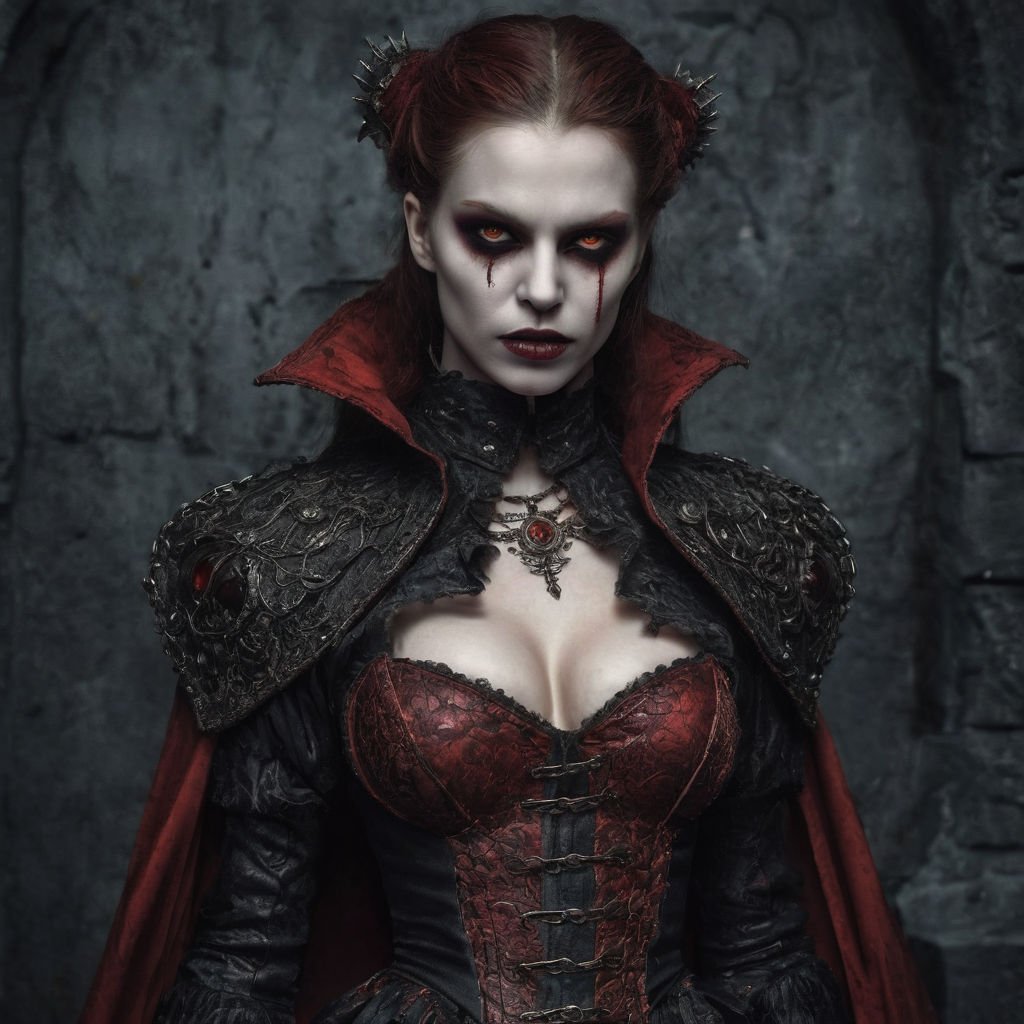
### Introduction
The figure of Bathory has become synonymous with dark legends and supernatural tales, particularly in Eastern European folklore. This editorial explores the mythological origins, core attributes, and cultural legacy of Bathory, a figure often conflated with historical accounts but rooted in a rich tapestry of myth.
### Mythological Origins
Bathory’s origins can be traced back to the folklore surrounding Elizabeth Báthory, a Hungarian noblewoman from the late 16th and early 17th centuries. While historical accounts document her as a figure accused of heinous crimes, particularly the alleged torture and murder of young women, these narratives have evolved into mythological interpretations. In folklore, she is often depicted as a vampire-like entity, drawing on themes of blood and immortality. This transformation from historical figure to mythological entity reflects broader societal fears surrounding female power and sexuality.
### Core Attributes and Symbolism
In mythological representations, Bathory embodies several core attributes:
1. **Bloodlust**: Often depicted as consuming the blood of virgins to maintain her youth, this symbolizes the fear of aging and the lengths one might go to preserve beauty.
2. **Female Power**: Bathory’s character challenges traditional gender roles, portraying a woman who wields immense power, albeit through dark means. This duality reflects societal ambivalence towards female autonomy.
3. **Immortality**: The association with vampirism links Bathory to themes of eternal life, a common motif in various mythologies that explore the consequences of seeking immortality.
### Cultural Legacy and Influence
The legacy of Bathory has permeated various aspects of culture, from literature to film. Her story has inspired countless adaptations, often emphasizing her role as a tragic figure or a monstrous villain. In literature, works such as Bram Stoker’s “Dracula” and various Gothic novels reflect her influence, intertwining her myth with broader themes of horror and the supernatural. Furthermore, Bathory’s tale has been used in feminist discourse, examining the implications of her story in relation to women’s power and societal perceptions.
In contemporary culture, Bathory has become a symbol of the archetypal ‘female vampire,’ influencing modern interpretations in horror genres. However, it is crucial to distinguish between the original mythological narratives and later reinterpretations that often sensationalize her story for entertainment purposes.
### Conclusion
The myth of Bathory serves as a complex exploration of power, femininity, and societal fears. While rooted in historical accounts, her transformation into a mythological entity reveals much about cultural anxieties and the enduring fascination with the darker aspects of human nature. As we continue to engage with her story, it is essential to approach it with a nuanced understanding of its origins and implications.