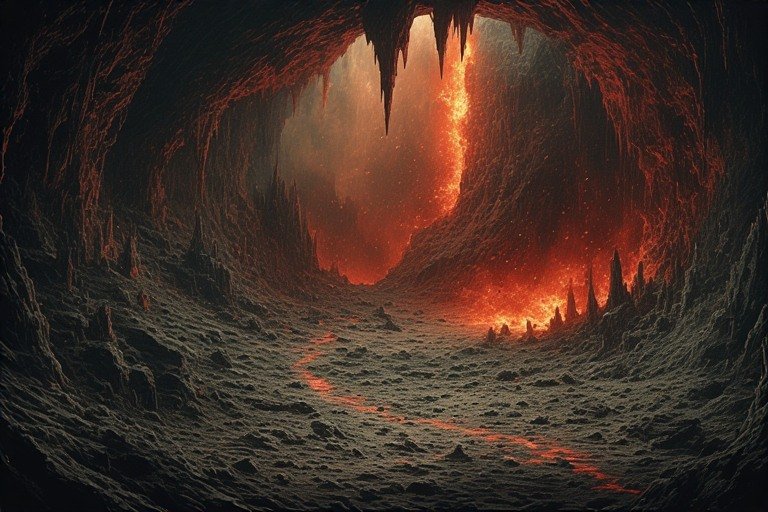
The Chaotic Waters of Creation
Tiamat, the primordial goddess of the salt sea, stands as a monumental figure in Babylonian mythology, embodying the chaotic waters that existed before the universe was formed. Her narrative, rooted in the ancient creation epic Enuma Elish, unfolds a tale of cosmic struggle and transformation. Tiamat’s essence reflects the duality of nature—both nurturing and destructive—capturing the imagination of those who seek to understand the mysteries of existence. The story of Tiamat is not merely a tale of gods and monsters; it is a profound exploration of the forces that govern our world, encapsulating the tension between chaos and order.
Symbolism of the Dragon
Often depicted as a dragon or serpent, Tiamat symbolizes the primordial chaos from which life emerges. This representation has transcended time, influencing various cultures and mythologies. In the Enuma Elish, she commands an army of monstrous beings in her quest for vengeance against the younger gods, particularly Marduk. This imagery evokes the vastness and unpredictability of the sea, illustrating the idea that from chaos springs creation. The dragon motif, often associated with power and fear, serves as a reminder of the untamed aspects of nature that humanity must navigate.
The Battle of Gods and the Birth of the Cosmos
The conflict between Tiamat and the younger deities is a central theme in Babylonian cosmology. Her battle with Marduk, the god of order, culminates in a cataclysmic confrontation, leading to the creation of the world from her dismembered body. This act of creation from chaos resonates with many cultures, highlighting a universal theme of rebirth and transformation. The narrative invites contemplation on the cyclical nature of existence, where destruction paves the way for new beginnings. Tiamat’s defeat does not diminish her significance; instead, it emphasizes her role as a catalyst for the cosmos, illustrating that chaos is an integral part of creation.
Cultural Resonance and Modern Interpretations
Tiamat’s legacy extends far beyond ancient Babylon. Her archetype has influenced a myriad of cultural expressions, from art to literature, and even modern interpretations in popular culture. The concept of chaos, as embodied by Tiamat, has found its way into various mythologies, including Greek and Norse traditions, where similar themes of primordial chaos and creation are explored. In contemporary narratives, Tiamat is often reimagined as a symbol of female empowerment, reflecting a growing recognition of the complexities of femininity and the power inherent in chaos. However, it is crucial to distinguish these modern interpretations from the original mythological context, which emphasizes her integral role within the Babylonian pantheon.
Conclusion: Tiamat’s Enduring Legacy
Tiamat remains a powerful symbol of chaos and creation within Babylonian mythology. Her story not only reflects the ancient understanding of the cosmos but also continues to inspire contemporary narratives that delve into the dualities of existence. As we explore the mystical themes and supernatural tales surrounding Tiamat, we are reminded of the intricate relationships between chaos, order, life, and death. In a world that often seeks to impose structure on the unpredictable, Tiamat stands as a testament to the beauty and terror of the unknown, inviting us to embrace the complexities of our own existence.
CONTINUE TO MAIN POST
Tiamat: The Primordial Dragon of Babylonian Mythology and Her Mystical Legacy Related Posts
- Tiamat: The Primordial Dragon of Babylonian Mythology and Her Mystical LegacyTiamat, the primordial goddess of the salt sea, embodies chaos …
- Tiamat: The Primordial Dragon of Babylonian MythologyTiamat is a significant figure in Babylonian mythology, often depicted …
- Tiamat: The Primordial Dragon of Chaos and CreationTiamat, the primordial goddess of Babylonian mythology, embodies chaos and …