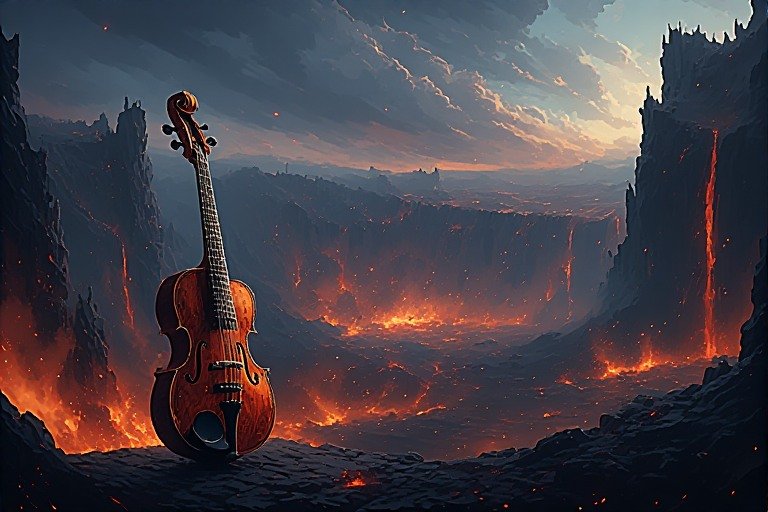
The Universal Language of Music
Music has long been heralded as a universal language, transcending borders and cultures. It serves as a powerful medium for expression, capable of conveying emotions and stories that words alone often cannot. From the rhythmic beats of African drumming to the melodic strains of European classical music, each genre reflects the unique cultural tapestry of its origin. As we explore the vast landscape of music, we uncover not just sounds, but the very essence of human experience.
Symbolism in Lyrics and Imagery
Many artists use symbolism in their lyrics and visuals to convey deeper meanings. For instance, the use of nature imagery in songs often symbolizes freedom or the passage of time. Consider how a simple mention of a river can evoke feelings of nostalgia or longing. This layered approach to songwriting invites listeners to interpret the music in personal ways, creating a unique connection between the artist and their audience.
Cultural Impact Moments
Throughout history, music has played a pivotal role in cultural movements and societal change. Iconic performances, such as Live Aid in 1985, not only showcased musical talent but also highlighted pressing global issues, uniting millions for a common cause. These moments illustrate how music can serve as a catalyst for social awareness and action, bridging gaps and fostering a sense of community among diverse groups.
The Aesthetic Experience of Music
The aesthetic aspects of music—its rhythm, melody, and harmony—create an immersive experience for listeners. The interplay of these elements can evoke a range of emotions, from joy to melancholy. This emotional resonance is why certain songs become timeless anthems, encapsulating moments in our lives that we hold dear. The aesthetic experience of music invites us to not only listen but to feel and reflect.
Controversies and Conversations
Music is not without its controversies, often sparking debates on topics such as appropriation, censorship, and the commercialization of art. These discussions challenge us to consider the implications of music in society and the responsibilities of artists. The ongoing dialogue around these issues highlights the dynamic nature of music as both an art form and a cultural commentary.
Imagining the Future of Music
As technology continues to evolve, so too does the landscape of music. The rise of digital platforms has transformed how we discover and consume music, allowing for greater accessibility and diversity. However, this shift also raises questions about authenticity and the preservation of artistic integrity. As we look to the future, we must navigate these changes while honoring the rich traditions that have shaped music as we know it.
CONTINUE TO MAIN POST
The Soundtrack of Our Lives: Exploring Music’s Cultural Tapestry Related Posts
- Saturn: The Celestial Muse of Music and MythExplore the musical legacy of Saturn, the ancient Roman god …
- The Rhythm of Time: Exploring Music Through Weekly PostsExplore the evolution of music through a chronological lens, revealing …
- The Allure of the Dark: Exploring ‘Devil’s Daughter’ by Uriah HeepUriah Heep's 'Devil's Daughter' delves into themes of temptation and …