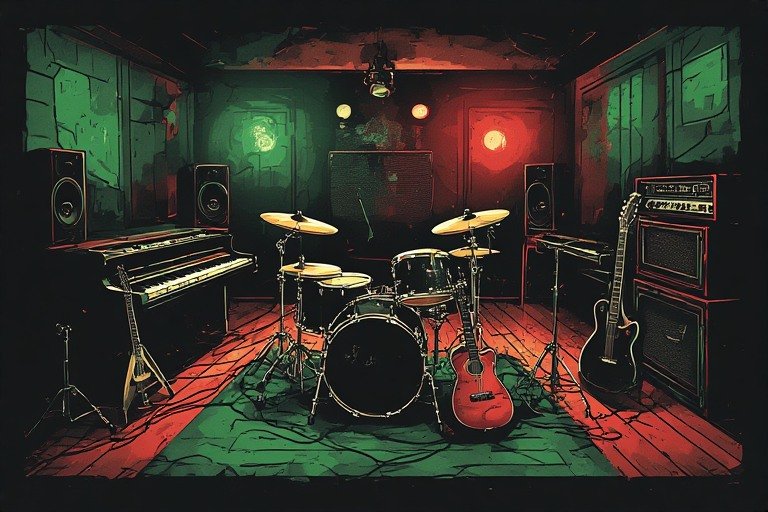
The Soundtrack of Our Lives
Music is more than just a collection of notes and rhythms; it serves as a powerful reflection of our choices and societal values. From the anthems of social movements to the melodies that accompany personal milestones, the music we choose to listen to shapes our identities and influences our collective consciousness. The choices we make in music can signify our beliefs, aspirations, and even our dissent, creating a complex tapestry of cultural expression that defines generations.
Controversies and Cultural Shifts
Throughout history, certain genres and artists have sparked controversy, leading to societal debates that transcend the music itself. The emergence of rock ‘n’ roll in the 1950s, for instance, was not just a musical revolution; it was a challenge to the established norms of a conservative society. Similarly, the rise of hip-hop in the 1980s and 1990s brought forth discussions about race, class, and identity, highlighting how musical choices can reflect and influence societal dynamics. These controversies often serve as catalysts for broader cultural shifts, illustrating the profound impact of musical preferences on social discourse.
Symbolism in Musical Choices
Music is rich with symbolism, and the choices we make can carry deep meanings. For example, the choice to listen to protest songs often signifies a desire for change and social justice. Artists like Bob Dylan and Nina Simone used their platforms to address pressing societal issues, and their music became synonymous with the movements they represented. Conversely, the choice to embrace more commercial pop music can reflect a desire for escapism or a connection to mainstream culture. These symbolic interpretations of music choices reveal how deeply intertwined our preferences are with our values and beliefs.
Myth and Speculation in Music Choices
While the impact of music on society is well-documented, myths and speculations often surround the motivations behind our musical preferences. Some believe that certain genres can influence behavior, leading to debates about the effects of violent lyrics or explicit content. However, the relationship between music and behavior is complex and not universally agreed upon. Speculation about the ‘power’ of music often overlooks the individual agency in making choices, suggesting that while music can influence, it is ultimately our interpretations and contexts that shape our experiences.
The Future of Musical Choices
As technology continues to evolve, so too do our choices in music. The rise of streaming platforms has democratized access to a vast array of genres and artists, allowing listeners to curate their own musical experiences. This shift raises questions about how our choices will continue to reflect societal values and cultural trends. Will we see a resurgence of niche genres as listeners seek authenticity, or will the algorithm-driven playlists lead to a homogenization of musical tastes? The future of music choice remains uncertain, but its potential to shape societal outcomes is undeniable.
CONTINUE TO MAIN POST
The Power of Choice in Music: How Our Preferences Shape Society Related Posts
- The Resonance of ‘Leaves in the Stream’: A Musical ExplorationExplore the rich symbolism and cultural impact of 'Leaves in …
- The Body of Bad Wolves: A Dive into Symbolism and SoundBad Wolves' latest single, 'The Body,' invites listeners to explore …
- The Baobhan Sith: A Lyrical Muse in Scottish Mythology and MusicThe Baobhan Sith, a mythical creature from Scottish folklore, serves …