
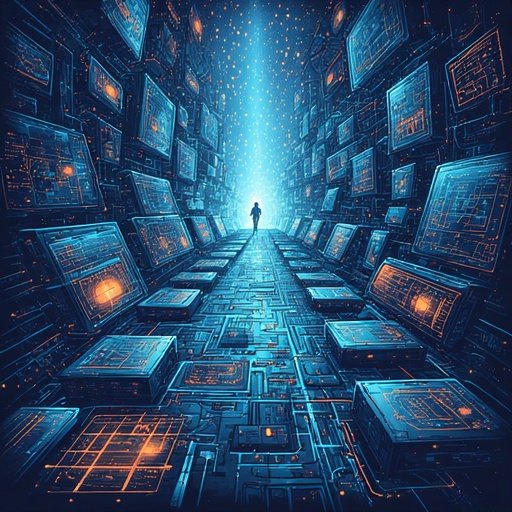
In a world increasingly dominated by digital interactions, the emergence of hyperrealistic deepfakes has sparked both fascination and concern. These AI-generated videos, which can convincingly swap faces and alter identities, raise pressing questions about authenticity and trust in the digital age. However, as we delve deeper into the mechanics of deepfakes, an intriguing parallel arises with the realm of cryptography, particularly through technologies like Zero-Knowledge Succinct Non-Interactive Arguments of Knowledge (zk-SNARKs). This editorial explores how these seemingly disparate technologies can converge to redefine digital authenticity and anonymity.
Deepfake technology, primarily powered by Generative Adversarial Networks (GANs), operates on a simple yet profound principle: two neural networks compete against each other to create increasingly realistic images and videos. The generator creates synthetic media, while the discriminator attempts to identify the real from the fake. This adversarial process leads to the production of content that can be nearly indistinguishable from genuine footage, prompting concerns about misuse in areas such as misinformation, fraud, and privacy violations.
On the other hand, zk-SNARKs offer a fascinating solution to the challenges posed by deepfakes. This cryptographic method allows one party to prove possession of certain information without revealing the information itself. In essence, zk-SNARKs can validate authenticity without compromising anonymity. Imagine a scenario where a deepfake is generated, yet the identity of the creator remains hidden through zk-SNARK technology. This could provide a layer of accountability while preserving the creator’s privacy, potentially curbing malicious uses of deepfake technology.
The cultural implications of this intersection are profound. As society grapples with the implications of deepfakes—ranging from their use in entertainment to their potential for social manipulation—the integration of zk-SNARKs could foster a new standard for digital content verification. By employing cryptographic proofs, we could create a digital landscape where authenticity is not just assumed but verified, allowing users to navigate the complexities of media consumption with greater confidence.
Moreover, the aesthetic aspects of deepfakes and zk-SNARKs present a compelling narrative about the evolution of digital art and expression. Artists and creators can harness the power of deepfake technology to push boundaries in storytelling, while cryptographic methods can safeguard their rights and ensure that their work is not misappropriated. This duality of creation and protection could lead to innovative forms of expression that challenge traditional notions of authorship and ownership.
However, the ethical challenges remain daunting. The potential for deepfakes to be used for nefarious purposes is a reality that cannot be ignored. As such, the development of detection systems to identify synthetic media is crucial. The integration of zk-SNARKs into these detection systems could enhance their effectiveness, allowing for a more nuanced approach to identifying deepfakes while respecting user privacy.
In conclusion, the convergence of deepfake technology and zero-knowledge cryptography presents a fascinating opportunity to redefine digital authenticity. While deepfakes challenge our perceptions of reality, zk-SNARKs offer a promising framework for ensuring accountability without sacrificing anonymity. As we navigate this new frontier, it is imperative that we engage in thoughtful discussions about the implications of these technologies, balancing innovation with ethical considerations. The future of digital authenticity may very well depend on how we leverage these powerful tools to create a more trustworthy online environment.
The Intersection of Deepfakes and Zero-Knowledge Cryptography: A New Frontier in Digital Authenticity Related Posts
- Tattoo Inspiration Photo GalleryTattoo Photo Gallery is a curated collection of inspiring images …
- Blues Metal SeasonBlues Metal Season dives into the raw, nocturnal crossroads where …
- Primordialis Photo GalleryPrimordialis Photo Gallery is a visual exploration of the four …