The Intersection of Music and Time
Time is a concept that has fascinated humanity for centuries, serving as a backdrop for countless artistic expressions. In music, time is not merely a metronomic beat; it embodies the very essence of change, nostalgia, and the fleeting nature of existence. The recent release of “The Gates of Time” by Hans Platz, featuring Melissa Bonny and Morten Løwe Sørensen, invites listeners to explore this intricate relationship between sound and the passage of time.
Symbolism in Sound
Musical compositions often serve as gateways to different temporal experiences. Through tempo changes, key modulations, and lyrical themes, artists can evoke feelings of longing for the past or anticipation for the future. “The Gates of Time” exemplifies this by weaving complex melodies that transport listeners through various emotional landscapes, each note resonating with the weight of time itself.
Controversies and Interpretations
While some may argue that music is a universal language, interpretations of its temporal symbolism can be highly subjective. For instance, the use of time signatures and rhythmic patterns can elicit differing responses based on cultural backgrounds. This subjectivity has sparked debates within the music community about the meaning behind certain compositions. Is a slow ballad a reflection of sorrow or a celebration of memories? The answer often lies in the listener’s personal experiences.
Legendary Narratives of Time in Music
Throughout history, many musicians have drawn inspiration from legendary narratives surrounding time. From the myth of Orpheus, who ventured into the underworld to reclaim his lost love, to the modern-day interpretations of time travel in songs, these stories enrich the listening experience. They remind us that music can transcend temporal boundaries, allowing us to relive moments or imagine futures that have yet to unfold.
The Aesthetic Aspect of Temporal Themes
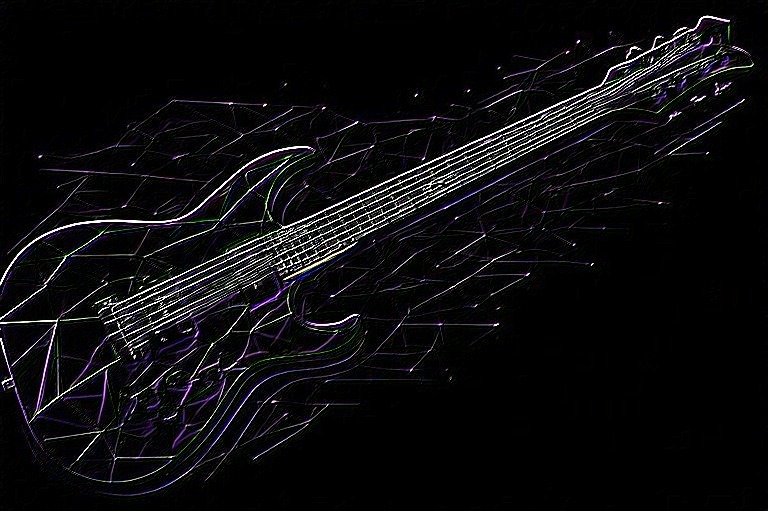
Visually, the aesthetic representation of time in music often manifests through album art, music videos, and live performances. The imagery of clocks, hourglasses, and celestial bodies frequently appears, symbolizing the relentless march of time. Such visuals complement the auditory experience, creating a multi-sensory exploration of time’s passage. “The Gates of Time” utilizes striking visuals that enhance its thematic depth, inviting listeners to engage with the music on a more profound level.
Conclusion: A Personal Journey Through Time
As we engage with tracks like “The Gates of Time,” we are reminded that music is not just a collection of sounds; it is a vessel that carries our memories, dreams, and reflections on time. Each listening experience becomes a personal journey, allowing us to traverse the landscapes of our past while contemplating the future. In this way, music serves as a timeless companion, guiding us through the ever-changing corridors of existence.
CONTINUE TO MAIN POST
The Gates of Time: A Musical Journey Through Temporal Symbolism Related Posts
- Illuminating the Cosmos: The Mystical Legacy of Hyperion in Greek MythologyHyperion, the Titan of Light, embodies the essence of illumination …
- The Enigmatic Beauty of Music: A Journey Through Wolfland Photo GalleryFrom Wolfland Photo Gallery invites viewers to explore the intersection …
- The Wawel Dragon: A Symbol of Cunning Over Strength in Music and MythThe Wawel Dragon legend, a tale of cunning over strength, …