
The Birth of a Genre
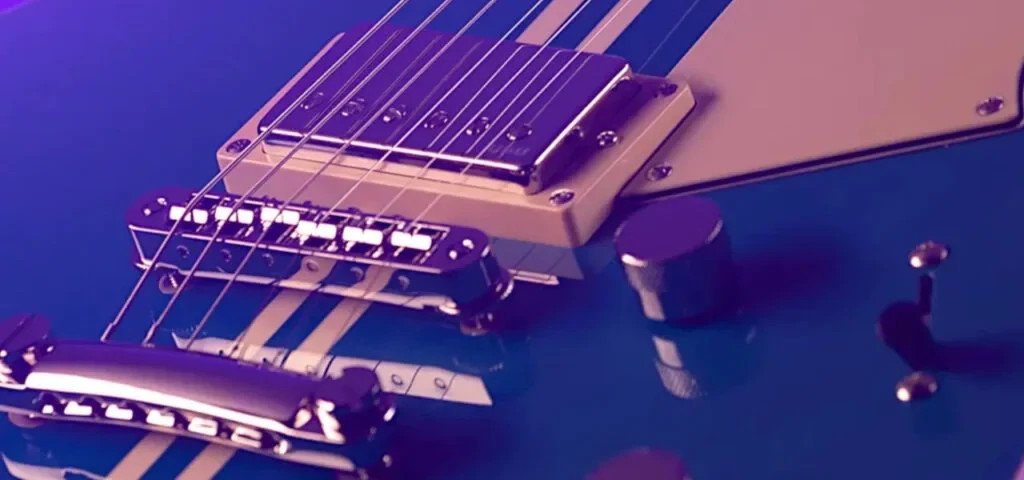
Jazz fusion, emerging in the late 1960s, represents a pivotal moment in music history where the boundaries of jazz were stretched and redefined. This genre arose as a response to the cultural shifts of the time, as musicians sought to blend the improvisational essence of jazz with the electrifying energy of rock, funk, and rhythm and blues. The introduction of electric guitars and keyboards, instruments that had become staples in rock music, allowed jazz musicians to explore new sonic landscapes, creating a sound that was both innovative and deeply rooted in tradition.
Improvisation: The Heartbeat of Fusion
At the core of jazz fusion lies the principle of improvisation, a hallmark of jazz itself. However, in fusion, improvisation takes on a new dimension, often incorporating elements of structured rock rhythms and harmonic complexity. This blending creates a dynamic interplay between musicians, where spontaneous creativity flourishes. The result is music that feels alive—each performance is a unique experience, reflecting the individual artistry of the musicians involved. This improvisational spirit invites listeners into a conversation, making them active participants in the musical journey.
Cultural Crossroads: The Influence of Rock and Beyond
The cultural impact of jazz fusion extends beyond music; it symbolizes a broader societal shift during the late 20th century. As rock and roll gained prominence, many jazz musicians, influenced by the sounds of their youth, began to incorporate these elements into their work. This crossover not only attracted a younger audience to jazz but also challenged the preconceived notions of what jazz could be. The genre became a melting pot of styles, reflecting the diverse influences of its creators, from the psychedelic sounds of the 60s to the rhythmic grooves of funk.
Symbolism in Sound: A New Aesthetic
Jazz fusion is not just about blending genres; it represents a new aesthetic in music. The genre often embraces complexity and experimentation, pushing the boundaries of traditional musical forms. This complexity can be seen in the intricate arrangements and the often virtuosic performances that characterize fusion music. The aesthetic of jazz fusion is one of exploration and innovation, where musicians are encouraged to break free from conventional structures and express themselves in bold new ways.
Legends and Controversies: The Faces of Fusion
While many musicians have contributed to the development of jazz fusion, the genre is not without its controversies. Some purists argue that fusion dilutes the essence of jazz, while others celebrate it as a necessary evolution. Artists like Miles Davis and Herbie Hancock have become iconic figures in this genre, often sparking debates about authenticity and artistic integrity. These discussions reflect a broader conversation about the nature of music itself—what it means to innovate and how genres can coexist and influence one another.
The Future of Fusion: An Ever-Evolving Landscape
As we look to the future, jazz fusion continues to evolve, incorporating new influences and technologies. Today’s musicians draw inspiration from a wide array of genres, including hip-hop, electronic music, and world music, ensuring that the spirit of fusion remains vibrant. This ongoing evolution invites new generations to engage with the genre, fostering a culture of creativity and collaboration that keeps jazz fusion at the forefront of musical innovation.
CONTINUE TO MAIN POST
The Dynamic Pulse of Jazz Fusion: A Sonic Revolution Related Posts
- The Evolution and Impact of King Crimson: A Progressive Rock PioneerKing Crimson, formed in 1969 in London, England, stands as …
- The Mighty Led Zeppelin: The Unstoppable Force in Rock and RollLed Zeppelin is a British rock band that formed in …
- The Enduring Legacy of ‘All Along The Watchtower’: A Musical OdysseyJimi Hendrix's rendition of 'All Along The Watchtower' transcends its …