Khonsu: The Moon God Of Ancient Egypt
Khonsu, the moon god of Ancient Egypt, symbolizes time and healing, reflecting the cyclical nature of life and the divine forces governing it.
Marchosias is a notable figure within the realm of demonology, particularly recognized in the context of the Western esoteric tradition, with origins traced back to the ' Lesser Key of Solomon.'
Bastet, an ancient Egyptian goddess, symbolized protection, fertility, and motherhood. Often depicted as a woman with a cat's head, she was associated with the sun, music, and dance. Revered in Bubastis, her worship declined with the rise of Christianity, leading to her assimilation into the cult of the Virgin Mary. Today, Bastet remains a cultural icon representing grace and independence.
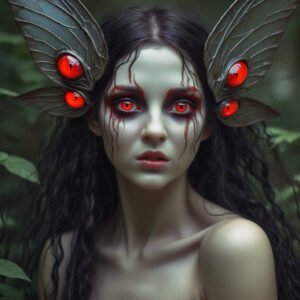
Mavka, a figure from Ukrainian folklore, embodies the essence of nature as a female woodland spirit. Known for their beauty and mischievousness, Mavkas inhabit forests and fields, influencing weather and fertility. Their cultural significance endures in literature, music, and art, reflecting a deep connection to the natural world and its mysteries.
Horus, a central figure in ancient Egyptian religion, was revered as the god of the sky, kingship, and protection. Often depicted as a falcon or a falcon headed man, he symbolized the pharaoh's authority and was believed to be the earthly incarnation of this deity. His mythology intertwines with themes of vengeance and resurrection, reflecting the complexities of ancient Egyptian beliefs and practices.