The Musical Legacy Of Bastet: Echoes Of An Ancient Goddess
Exploring the enduring influence of Bastet, the ancient Egyptian goddess of music and dance, and her impact on modern musicians and cultural expressions.
Exploring the enduring influence of Bastet, the ancient Egyptian goddess of music and dance, and her impact on modern musicians and cultural expressions.
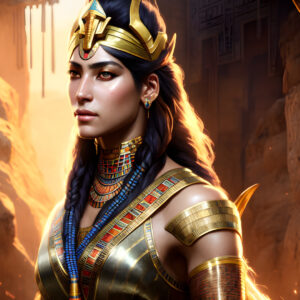
Bastet, the ancient Egyptian goddess, symbolizes the duality of nurturing and ferocity, embodying protection, pleasure, and the revered qualities of cats.

Bastet, the ancient Egyptian goddess, embodies a fascinating duality of nurturing and ferocity, inviting exploration into the complexities of femininity, protection, and pleasure. This article delves into her cultural significance, controversies, and the enduring legacy that continues to influence modern interpretations.

Bastet, an ancient Egyptian goddess, symbolized protection, fertility, and motherhood. Often depicted as a woman with a cat's head, she was associated with the sun, music, and dance. Revered in Bubastis, her worship declined with the rise of Christianity, leading to her assimilation into the cult of the Virgin Mary. Today, Bastet remains a cultural icon representing grace and independence.

Bastet, an ancient Egyptian goddess, symbolizes home, fertility, and protection. Initially depicted as a lioness, she later took on a gentler form with a cat's head. Revered primarily in Bubastis, she was associated with good fortune and health, and cats were considered sacred companions. Her worship highlights the cultural significance of deities in ancient Egyptian society.