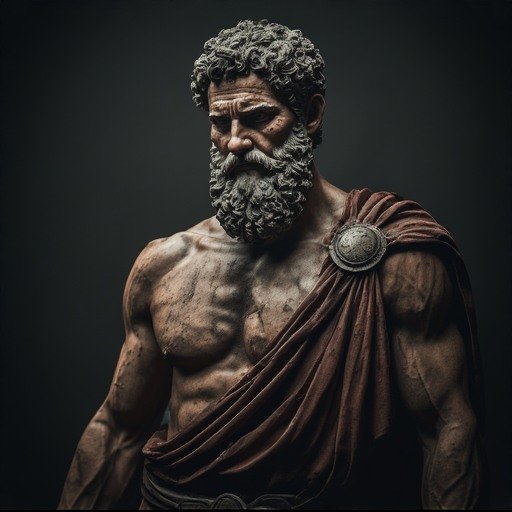
The image explores the significance of seven major Greek gods in mythology, highlighting their unique attributes and roles within ancient Greek culture. Each deity represents different aspects of life and nature, influencing various facets of human experience. Understanding these gods provides insight into the values and beliefs of ancient Greek society, reflecting their complex relationship with the divine.
ANKH TV Images Gallery








Pantheon Greek Gods 7 Related Posts
- Echoes of the Olympians: The Musical Pantheon of ModernityExplore how the ancient Greek pantheon influences modern music, revealing a rich tapestry of emotions and narratives that continue to resonate today.
- Halia: The Enigmatic Nymph of the Sea and Her Mystical LegacyHalia, the lesser-known sea nymph of Greek mythology, embodies the duality of the ocean's beauty and peril. This article explores her symbolic significance, connections to other deities, and her enduring legacy in art and culture.
- Amphitrite: The Nymph of the Sea in Greek MythologyAmphitrite is a significant figure in Greek mythology, known primarily as a sea goddess and the consort of Poseidon. As a nymph, she embodies the beauty and mystery of the ocean.