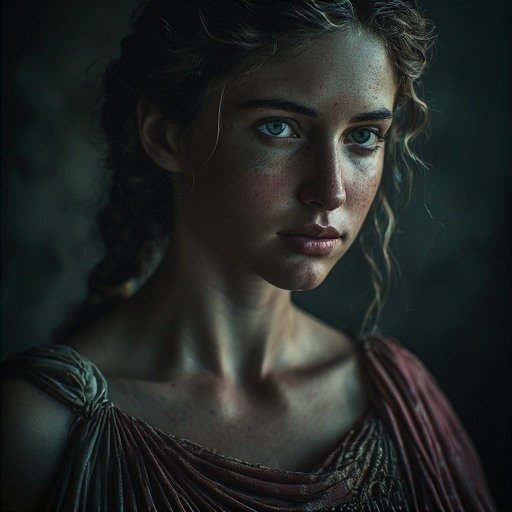
The image explores the diverse and multifaceted roles of Greek goddesses within mythology. It highlights their influence on various aspects of ancient Greek culture, including religion, art, and society. Each goddess represents unique attributes and stories, reflecting the values and beliefs of the time. The examination of these figures offers insight into the complexities of gender and power in ancient Greece.
ANKH TV Images Gallery








Pantheon Greek Goddesses 46 Related Posts
- Echoes of Olympus: The Resonance of Greek Mythology in Modern MusicExplore the profound connection between ancient Greek mythology and modern music, where the timeless narratives of gods and goddesses serve as both muse and mirror for today's artists. Discover how figures like Orpheus and Calliope continue to inspire contemporary musicians, reflecting the complexities of human emotion and cultural expression.
- Getting to know Neo-Paganism IIINeo-Paganism encompasses diverse spiritual practices, including eclectic paganism, nature-based spirituality, polytheism, and ritual magick. Eclectic paganism emphasizes individual paths and personal experience, while nature-based spirituality focuses on the sacredness of the earth and environmental responsibility. Polytheism highlights the worship of multiple deities, fostering personal connections and inclusivity. Rituals and magick …
- Echo: The Nymph of Sound and Reflection in Greek MythologyEcho, a nymph from Greek mythology, embodies themes of unrequited love and the consequences of divine punishment, serving as a poignant symbol of reflection and longing.