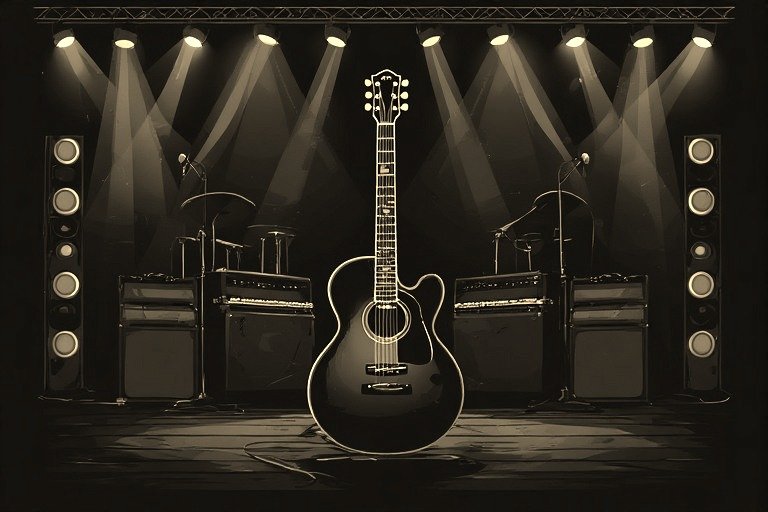
The Intersection of Sound and Digital Art
The rise of Non-Fungible Tokens (NFTs) has revolutionized the way we perceive ownership and creativity in the digital realm. While many associate NFTs with visual art, the music industry is beginning to carve out its own niche within this innovative space. Artists and musicians are exploring the gothic aesthetic, intertwining haunting melodies with dark visual narratives, creating collections that transcend traditional marketplaces.
Gothic Influences in Music NFTs
Gothic themes in music often evoke feelings of melancholy, mystery, and the supernatural. Artists like Nick Cave and the Bad Seeds, or even the ethereal sounds of Florence + The Machine, have long drawn inspiration from gothic literature and imagery. In the NFT space, musicians are harnessing these influences to create immersive experiences that resonate with fans on a deeper level. This fusion of sound and visual art not only enhances the listening experience but also invites collectors to engage with the narrative behind each piece.
The Role of AI in Music Creation
As seen in the visual art world, AI is also making waves in music composition. Musicians are collaborating with AI personas to produce unique soundscapes that reflect various themes, including the gothic. These AI-driven compositions can evoke the eerie ambiance of a haunted castle or the emotional weight of a tragic love story. By using technology to explore complex emotions and narratives, musicians are pushing the boundaries of creativity and redefining what it means to be an artist in the digital age.
Beyond the Marketplace: Curated Experiences
While platforms like OpenSea and Rarible serve as marketplaces for NFTs, many musicians are opting to promote their collections through curated experiences. This approach allows for thematic storytelling that resonates with audiences, creating a more profound connection between the artist and the listener. For instance, a gothic-themed music NFT collection might be accompanied by a virtual gallery showcasing haunting visuals, immersive soundscapes, and even interactive elements that invite fans to explore the dark narratives woven into the music.
The Symbolism of the Gothic Aesthetic
The gothic aesthetic is rich with symbolism, often representing the duality of beauty and horror, life and death. In music NFTs, this symbolism can manifest in various ways—through lyrics that explore themes of loss and longing, or through visuals that depict shadowy figures and desolate landscapes. This interplay between sound and imagery allows for a multi-layered experience, inviting listeners to delve into the deeper meanings behind the art.
Controversies and Speculations
As with any emerging technology, the integration of NFTs in the music industry is not without controversy. Questions surrounding copyright, ownership, and the environmental impact of blockchain technology have sparked debates among artists and fans alike. Furthermore, the speculative nature of NFTs raises concerns about the sustainability of this new market. Will the allure of owning a unique piece of music art hold true over time, or will it fade as trends shift? These are questions that continue to linger as the industry navigates this uncharted territory.
Conclusion: The Future of Music NFTs
The exploration of gothic themes in music NFTs is just the beginning of a broader trend that may redefine how we experience art and music. By embracing technology and storytelling, musicians can create immersive worlds that resonate with fans and collectors alike. As we look to the future, the potential for innovation in this space is boundless, promising a rich tapestry of sound and visual art that invites us to explore the depths of our imagination.
CONTINUE TO MAIN POST
NFTs and the Sonic Frontier: A Gothic Exploration of Music Collections Related Posts
- The Cursed Symphony: Medusa’s Influence on Music and MusiciansMedusa's tragic tale resonates in music, transforming her from a …
- Lycanthropy and the Sound of NFTs: Unleashing the Beast in Music ArtistryExplore the fascinating intersection of lycanthropy and music in the …
- The Allure of Darkness: Unveiling the Mystical Divas and Erebus Beings in NFT CollectiblesExplore the captivating world of 'Mystical Divas and Erebus Beings,' …