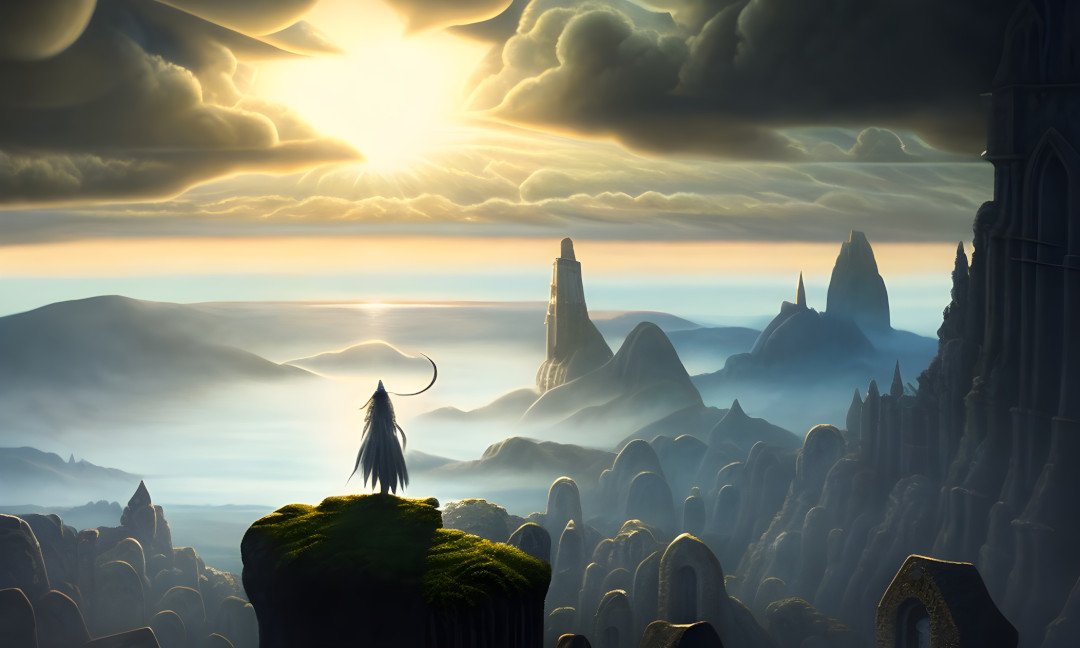
The Dual Nature of Morana
In the rich tapestry of Slavic mythology, Morana emerges as a compelling figure embodying the duality of winter and death. Often portrayed as a beautiful maiden who transforms into a crone, she encapsulates the stark contrasts inherent in nature. This transformation not only signifies the passage of time but also reflects the cyclical nature of existence. Morana’s character invites us to contemplate the inevitable transitions we all face, from the vibrancy of life to the stillness of death, raising questions about our own relationship with these cycles.
Rituals and Symbolism
Morana’s influence is deeply woven into the fabric of ancient Slavic rituals. Celebrated during the spring equinox, her effigy was often cast into rivers or set ablaze, symbolizing the departure of winter and the rebirth of nature. This practice underscores the importance of seasonal change in Slavic culture, where the harshness of winter is not merely to be endured but is seen as a necessary precursor to the renewal of life. The rituals surrounding Morana serve as a reminder of the interconnectedness of death and rebirth, a theme echoed in various mythologies worldwide.
Controversies and Interpretations
While Morana is primarily associated with winter and death, interpretations of her character can vary widely. Some scholars argue that her portrayal as a malevolent figure reflects societal fears surrounding death and the unknown, while others emphasize her role as a nurturing force that facilitates rebirth. This ambiguity invites debate among enthusiasts of mythology, as they explore the layers of meaning behind her character. Is Morana a goddess to be feared, or is she a guardian of the natural cycles that govern life? Such questions provoke curiosity and contemplation, enriching our understanding of her legacy.
Cultural Impact and Modern Relevance
The legacy of Morana extends beyond ancient rituals into contemporary culture. Festivals such as Maslenitsa in Russia continue to celebrate her, where the burning of her effigy signifies the end of winter and the arrival of spring. This enduring tradition highlights Morana’s relevance in modern society, as people seek to reconnect with the rhythms of nature amidst the chaos of contemporary life. Furthermore, her character has found a place in literature and art, often symbolizing the struggle against the harshness of winter, thus inspiring a new generation to explore her mythos.
Myth and Speculation
As we delve into the world of Morana, it is essential to distinguish between belief, myth, and speculation. While her existence is firmly rooted in Slavic folklore, interpretations of her character can vary widely, influenced by cultural contexts and personal beliefs. The stories surrounding Morana may evolve, but they continue to resonate with themes of life, death, and the cyclical nature of existence. In this way, Morana remains a potent symbol, inviting us to reflect on our own lives and the natural world around us.
Conclusion
Morana stands as a significant figure in Slavic mythology, embodying the themes of winter, death, and the cyclical nature of life. Her influence persists in cultural practices and folklore, reminding us of the deep-rooted connections between humanity and the natural world. As we explore her mythological origins and contemporary interpretations, we uncover a rich narrative that speaks to the universal human experience of transition and renewal.
CONTINUE TO MAIN POST
Morana: The Enigmatic Goddess of Winter and Death in Slavic Mythology Related Posts
- Morana: The Enigmatic Goddess of Winter and Death in Slavic MythologyDiscover the enigmatic figure of Morana, the Slavic goddess of …
- Morana: The Slavic Goddess of Winter and DeathMorana, the Slavic goddess of winter and death, embodies the …