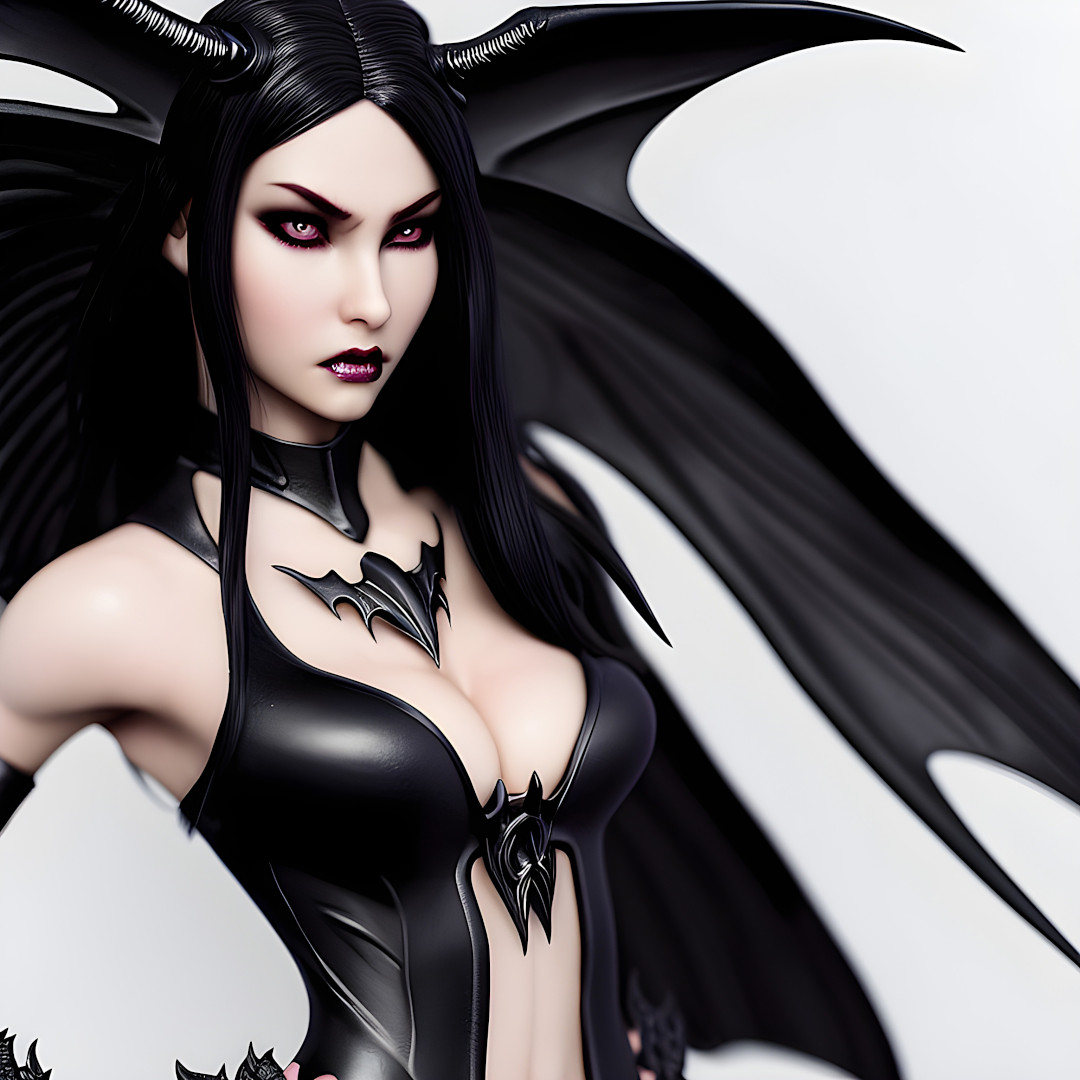
Throughout mythology, religion, occult traditions, and modern culture, few feminine figures have inspired as much fascination as Lilith. She has been portrayed as a demon, a goddess, a seductress, a mother of monsters, and a symbol of feminine independence. Across centuries, her image has evolved from feared night spirit to a powerful archetype of rebellion, freedom, mystery, and untamed desire.
Today, Lilith exists simultaneously in ancient mythology, esoteric traditions, literature, psychology, music, and modern spirituality — a timeless figure who continues to captivate the imagination.
Origins of Lilith
The earliest traces of Lilith appear in ancient Mesopotamian mythology, where spirits known as Lilitu or Lilin were associated with storms, the night, wilderness, and dangerous feminine energies. These beings were often described as nocturnal entities connected to seduction and chaos.
Over time, the mythology surrounding Lilith evolved and merged into Jewish folklore, where she became most famously known as the legendary “first wife of Adam.”
According to medieval interpretations and mystical texts such as the Alphabet of Ben Sira, Lilith was created from the same earth as Adam rather than from his rib. Because of this, she considered herself equal to him and refused submission. After conflict between them, Lilith abandoned Eden rather than surrender her autonomy.
This act transformed her into one of mythology’s earliest symbols of rebellion against imposed authority.
Lilith and the Garden of Eden
In later traditions, Lilith’s departure from Eden carried profound symbolic meaning. Unlike Eve, who remained within the structure of divine order, Lilith chose exile, wilderness, and freedom.
Many interpretations portray her as:
- A spirit of forbidden knowledge
- A representation of uncontrolled feminine power
- An embodiment of sensuality and temptation
- A force associated with the hidden or shadow aspects of humanity
In some occult and mystical traditions, Lilith becomes more than a demonized figure — she becomes a guardian of independence and self-sovereignty.
Her myth reflects the eternal conflict between order and freedom, obedience and individuality, light and shadow.
Lilith in Occultism and Esoteric Traditions
In modern occultism and esoteric philosophy, Lilith is often viewed as a primordial feminine force connected to:
- The moon and nocturnal symbolism
- Hidden wisdom and secret knowledge
- Sexual liberation
- Transformation through darkness
- Spiritual independence
- Shadow work and inner awakening
Certain mystical traditions interpret Lilith not as purely evil, but as a necessary counterpart to divine order — representing the instinctive, emotional, and untamed aspects of existence that civilization attempts to suppress.
In astrology, the concept of “Black Moon Lilith” symbolizes hidden desires, rejected emotions, personal rebellion, and the unconscious shadow self.
Lilith in Modern Culture
Over the centuries, Lilith evolved from feared folklore into a powerful cultural icon. She appears in:
- Gothic literature
- Dark fantasy
- Horror films
- Heavy metal and darkwave music
- Feminist reinterpretations
- Contemporary spiritual movements
- Symbolic art and poetry
Modern depictions frequently portray Lilith as mysterious, seductive, intelligent, and dangerously beautiful — a queen of shadows who rejects control and embraces forbidden truth.
For many artists and writers, Lilith represents the archetype of the dark feminine: independent, emotionally intense, seductive, and spiritually transformative.
Psychological Symbolism of Lilith
From a psychological perspective, Lilith can be interpreted as an archetype of the hidden self — the aspects of personality that society suppresses or fears.
She represents:
- Repressed desire
- Emotional independence
- Defiance of imposed identity
- The fear of uncontrolled freedom
- The attraction toward mystery and taboo
In this sense, Lilith becomes more than mythology. She becomes a mirror of humanity’s relationship with power, sexuality, autonomy, and the unknown.
The Enduring Fascination of Lilith
The enduring power of Lilith lies in her ambiguity. She is neither fully villain nor hero, neither goddess nor demon alone. She exists in the space between fear and fascination.
To some, she is a dangerous spirit of chaos.
To others, she is a liberator who refused submission.
To artists, she is eternal inspiration.
To mystics, she is the shadow that reveals hidden truth.
Regardless of interpretation, Lilith remains one of the most compelling mythological feminine entities ever created — a symbol of mystery, rebellion, desire, darkness, and transformation that continues to evolve with every generation.
Conclusion
Lilith endures because she speaks to something ancient within the human imagination. She represents the parts of existence that cannot easily be controlled, categorized, or erased.
Whether viewed as a demon of the night, a forgotten goddess, a rebellious first woman, or an archetype of the dark feminine, Lilith continues to inspire mythology, art, spirituality, and storytelling across the world.
In the shadows of history and legend, her name still whispers through the imagination of humanity — eternal, mysterious, and unforgettable.