
LILITH PHOTO GALLERY









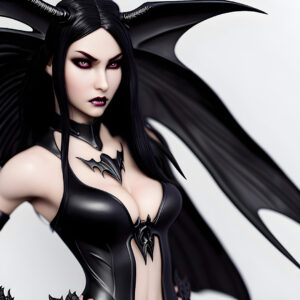

Lilith: The First Rebel, The Archetypal Outsider
The figure of Lilith is perhaps the most potent and enduring symbol of rebellion, untamed feminine power, and primal fear in Western myth and mysticism. Her story weaves through ancient folklore, Talmudic legend, and the profound depths of the Kabbalah, evolving from a wind-spirit to the supreme queen of demons and an icon of defiant independence.
Her earliest traces are likely found in Mesopotamian mythology, as a class of winged, vampiric wind-spirits (lilītu) that preyed on pregnant women and infants. This ominous character entered Jewish tradition, where the Talmud references her as a long-haired, winged menace. However, her defining myth crystallized in the medieval text The Alphabet of Ben Sira. Here, she is presented as Adam's first wife, created from the earth just as he was. Refusing to lie beneath him during intercourse, declaring, "We are equal, for we both come from the earth," she uttered the ineffable name of God, fled Eden, and took refuge by the Red Sea. When angels were sent to retrieve her, she refused to return and was cursed to see a hundred of her demon children die each day. In retaliation, she vowed to prey upon human infants, giving rise to the ancient practice of using amulets to protect mothers and newborns from "Lilith."
In the grand, cosmic drama of the Kabbalah, Lilith's role is magnified. She becomes the primary consort of the arch-demon Samael, forming with him a dark parallel to the holy union of God and the Shekhinah. She is the queen of the demonic realm of the Qliphoth (the "Shells" of impurity), specifically ruling over the Qliphah of Samael herself. This position makes her not just a child-snatching monster, but a cosmic force of chaos, seduction, and the unbridled, chaotic aspect of the feminine (Binah turned to dark understanding). She is the mother of countless demons (the lilin) and, alongside her fellow queens Nahemah, Agrat bat Mahlat, and Eisheth Zenunim, she forms a tetrarchy of demonic femininity.
Lilith's enduring power lies in her radical refusal. She is the archetype of the wild woman who rejects subjugation, patriarchal order, and the constraints of Eden. She chooses the wilderness of freedom over the gilded cage of paradise, even at a terrible cost. In modern reinterpretations, she has been reclaimed as a feminist symbol of autonomy, sexual equality, and unapologetic power. Thus, Lilith transforms from a figure of pure terror into a complex representation of the feared, exiled, and ultimately indomitable aspects of the self.