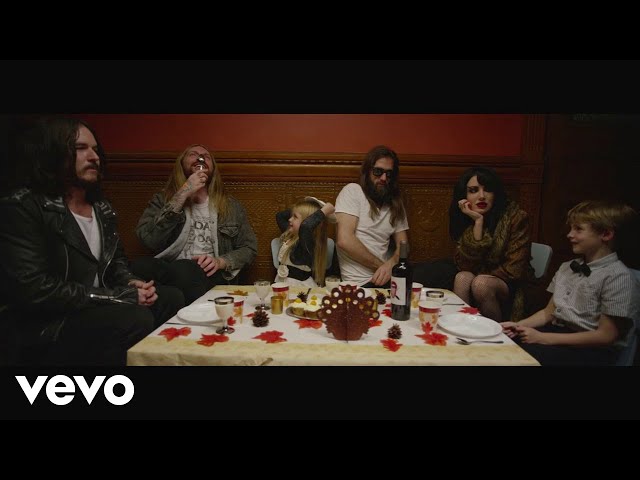
A Blues-Rock Battle Cry
“Raise Hell” stands as one of the defining statements from Los Angeles rock outfit Dorothy, a track that helped introduce the band’s unapologetic blend of blues grit and modern hard rock bite. It is a compact, high-voltage anthem with a simple premise executed with conviction: crank the guitars, hit the groove hard, and let a commanding vocal tear through the center of the mix. In a mid-2010s landscape where heavy music was sorting through new identities, “Raise Hell” felt both classic and contemporary, a reminder that swagger and songcraft still matter when the volume climbs.
Origins and Intent
Arriving during Dorothy’s early ascent, “Raise Hell” captured the band’s mission in under four minutes. The track distilled their approach into a single, unvarnished message of self-possession and adrenaline. It functions like a calling card for the group’s core aesthetic: blues-soaked riffing, a stomp-and-clap undercurrent, and a vocal performance that favors raw feeling over ornament. Even before the band’s later records expanded their palette, “Raise Hell” sketched out the foundation that would carry them onto bigger stages and louder rooms.
Sound and Style
Musically, “Raise Hell” sits at the crossroads of blues-rock, garage stomp, and hard rock. The guitars are thickly overdriven, favoring pentatonic figures and chunky open-chord hits that grind against the backbeat. The rhythm section keeps things lean and forceful: a kick-snare pulse designed for crowd movement, with bass lines glued tight to the guitar to maximize impact. Handclaps and gang shouts punctuate the arrangement, a nod to vintage barroom rock that still feels built for modern arenas.
There is a deliberate economy in the way the parts lock together. Verses often strip back to leave space around the vocal, then surge into choruses with stacked guitars and a chant-ready hook. The guitar tone leans warm and saturated rather than brittle, evoking tube-amp heat and a little garage grime. Subtle embellishments—tambourine hits, background vocal layers, a slide or bent-note flourish—add color without crowding the song’s muscular frame.
Vocal Presence and Delivery
Dorothy Martin’s voice is the song’s focal point, a serrated, full-throated instrument that refuses to get lost in the mix. She leans into the grain of her tone, shaping lines with controlled rasp and strategic shouts. There is a blues inflection in her phrasing and an R&B sense of attack, but she keeps the performance rooted in rock’s physicality. The choruses land because she sings them like a rallying cry, projecting authority without tipping into histrionics. It is the kind of vocal that suggests the stage more than the studio, and it makes the single feel like a living document rather than a polished studio artifact.
Themes and Attitude
“Raise Hell” is a song about agency and defiance. Its language speaks the grammar of rock rebellion—standing ground, shrugging off judgment, taking the heat and turning it into fuel. Rather than spin a narrative, the lyric pares things down to gut-level declarations and a hook that invites collective release. There is a hint of sin-and-salvation imagery common to blues and roots music, but the message stays firmly in the realm of personal empowerment. It is less about shock value than about seizing one’s own weather system and riding it into the chorus.
Production and Arrangement
The production favors punch and immediacy. Drums are forward and dry enough to feel tactile, the snare snapping with enough crack to cut through a wall of guitars. The bass tone is rounded but slightly overdriven, thickening the low mids and anchoring the riffs. Guitars are double-tracked for width, with selective panning that opens the chorus without sacrificing the song’s no-frills character. Background vocals arrive in tight stacks rather than sprawling choirs, giving the hook extra lift while keeping the edges sharp.
What stands out is the restraint around the edges. Effects are used sparingly. Dynamics do more of the heavy lifting than production tricks, and when a break or drop arrives, it feels earned. The result is a track that translates cleanly to live settings, where the kick drum, handclaps, and chorus chants can scale with the room.
Position in Dorothy’s Catalog
As an early signature cut, “Raise Hell” laid out a blueprint that Dorothy would continue to refine. Subsequent material would push both heavier and more expansive directions, experimenting with brighter choruses, darker textures, and spiritual undertones without abandoning the riff-and-refrain core that first caught attention. In that context, “Raise Hell” reads as a mission statement: a compact thesis on grit, groove, and attitude that still anchors their sets and offers a reliable gateway for new listeners.
On Stage and In the Crowd
Live, “Raise Hell” functions as either an opener that snaps the room to attention or a late-set ignition point that reignites the floor. Its call-and-response energy, clappable rhythm, and uncluttered arrangement give bands plenty of space to stretch. Guitarists can tease the main riff, the drummer can tease the cadence, and the vocal hook is easy for crowds to inhabit. It is built for volume and participation, which is part of why the track continues to resonate in theaters and festivals alike.
Why It Endures
Rock anthems endure when they balance identity with utility. “Raise Hell” does both. It wears its influences openly, nodding to the lineage of blues-rooted hard rock, yet it also speaks the concise, high-impact language of modern singles. The production is tight without sanding off the edges. The vocal makes a promise the band can keep on stage. And the hook says exactly what the music is already communicating. For a band establishing its place in contemporary heavy music, that combination proved decisive.
For Listeners Who Enjoy
- Blues-drenched hard rock with a strong vocal lead
- Riff-forward tracks built on stomp-and-clap grooves
- Hook-driven choruses that favor muscle over gloss
Closing Thoughts
“Raise Hell” doesn’t reinvent the genre. It doesn’t need to. It sharpens core elements—riff, rhythm, voice—until they gleam under stage lights, then shoots them straight through the speakers. In doing so, it captures what Dorothy does best: make heavy music feel immediate, physical, and alive.
Dorothy – Raise Hell Related Posts
- “Enter Sandman” – Metallica (Cover by First To Eleven Ft. @Sershen & Zarítskaya)First To Eleven has released a cover of Metallica's iconic …
- HIRAES – Under Fire (Official Video)HIRAES has released their first single, "Under Fire," ahead of …
- Psychedelic Witchcraft – Sound of the Wind (Full Album)"Psychedelic Witchcraft's third studio album, 'Sound of the Wind,' showcases …
- Shinedown – MONSTERS (Official Video)Shinedown has released the official video for "MONSTERS," a track …
- Guns N’ Roses – Paradise CityGuns N' Roses' iconic track "Paradise City" continues to resonate …
- Marilyn Manson – Slo-Mo-Tion [Music Video]"Slo-Mo-Tion" is a track by Marilyn Manson from their eighth …