The Scorpion Demoness: A Study Of Mythological Origins And Cultural Legacy
The Scorpion Demoness, rooted in ancient Near Eastern mythology, symbolizes the duality of protection and danger, reflecting complex themes of femininity and power.

The Scorpion Demoness, rooted in ancient Near Eastern mythology, symbolizes the duality of protection and danger, reflecting complex themes of femininity and power.
La Llorona, or The Weeping Woman, is a haunting figure in Mexican folklore, symbolizing grief and maternal loss. Her story, rooted in pre Columbian traditions, has evolved into a powerful cultural legacy.

When consciousness awakens inside the dream, it does not think in words or logic. It communicates through images charged with meaning, drawn from layers deeper than memory. These are not random visuals. They are symbols, and each one marks a specific threshold between waking identity and the dreaming self.

In most modern content, the Dark Goddess is reduced to a collage of names — Kali, Lilith, Morrigan, Hecate — as if listing were understanding. But the truth is simpler and more unsettling the Dark Goddess is not a character. She is a function of consciousness.
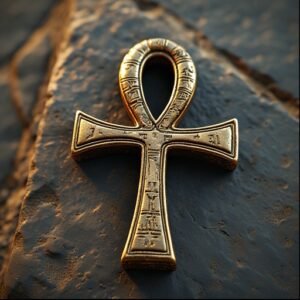
In the modern world, the Ankh has transcended its origins as an ancient Egyptian hieroglyph to become a powerful symbol embedded in occult practice, alternative spirituality, art, music, and pop culture. Though often visually simplified or aesthetically reinterpreted, its core meaning — life, continuity, and transcendence — continues to resonate across generations