
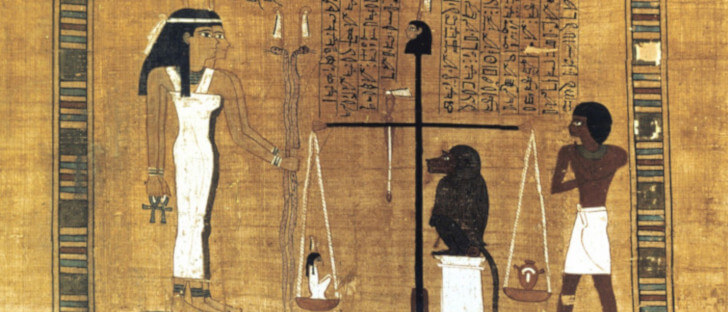
Anubis, a prominent figure in ancient Egyptian mythology, is revered as the god of mummification and funerary rites. His role was crucial in the complex rituals surrounding death and the afterlife, reflecting the Egyptians’ deep beliefs about immortality and the journey of the soul.
Cultural and mythological origins:
Anubis is primarily associated with ancient Egyptian culture, with his worship dating back to the early dynastic period around 3000 BCE. He is often depicted as a man with the head of a jackal or as a full jackal, animals that were commonly seen around cemeteries in ancient Egypt. His origins are somewhat obscure, as he appears in various texts and artifacts throughout Egyptian history, but he is consistently linked to the funerary practices that were central to Egyptian belief systems.
Attributes, symbolism, and roles:
Anubis embodies several key attributes and symbols. As the god of mummification, he was believed to oversee the embalming process, ensuring that the deceased were properly prepared for the afterlife. He was also the protector of graves and the guide of souls, leading them through the underworld to their final judgment. Anubis is often associated with the weighing of the heart ceremony, where the heart of the deceased was weighed against the feather of Ma’at, the goddess of truth and justice. This act determined the soul’s fate in the afterlife, a significant aspect of Egyptian belief.
Historical influence and later interpretations:
Throughout ancient Egyptian history, Anubis maintained a prominent place in funerary texts, such as the Pyramid Texts and the Book of the Dead. His image was commonly found in tombs, where he served as a protective figure for the deceased. Over time, his role evolved, and he became associated with the more widely known Osiris, the god of the afterlife, although Anubis’s specific functions remained distinct.
In later interpretations, Anubis has been referenced in various forms of popular culture, but these depictions often stray from the original mythological context. It is essential to differentiate between the ancient beliefs surrounding Anubis and modern representations that may blend or alter his characteristics for narrative purposes.
In conclusion, Anubis stands as a vital figure within the ancient Egyptian pantheon, symbolizing the intricate relationship between death, the afterlife, and the rituals that honor both. His legacy continues to intrigue scholars and enthusiasts alike, serving as a reminder of the rich tapestry of beliefs that characterized ancient Egyptian civilization.