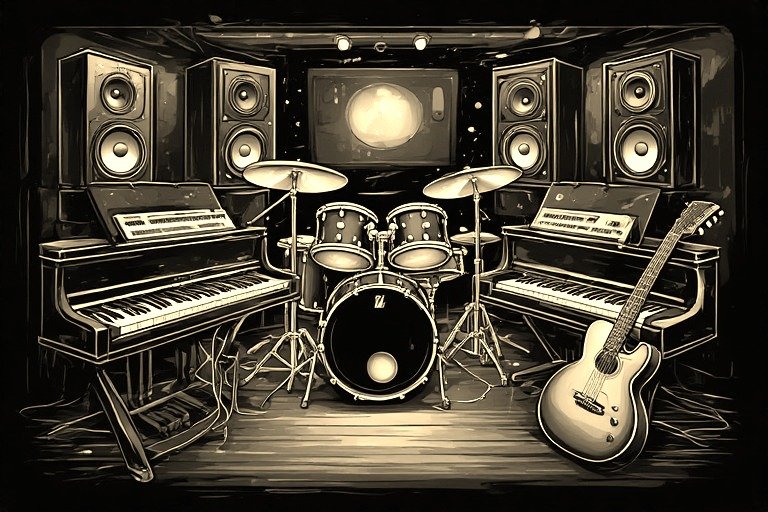
The Paradox of Music’s Influence
Music has long been heralded as a universal language, a means of connection that transcends borders and cultures. Yet, this very power can also lead to equally destructive outcomes. The emotional resonance of a song can unite people in celebration or incite chaos and division. This duality raises questions about the nature of music itself: Is it a tool for healing or a weapon for discord?
Controversies in Lyrics and Themes
Throughout history, certain songs have sparked outrage and controversy due to their provocative lyrics or themes. From protest anthems that challenge societal norms to tracks that glorify violence, the impact of these works can be both uplifting and damaging. For instance, the backlash against certain genres like rap or heavy metal often stems from their perceived glorification of negative behaviors, while their supporters argue these genres provide a voice for the marginalized.
Symbolism in Musical Expression
Musicians often embed deep symbolism in their work, which can be interpreted in various ways. The imagery in music videos or the themes of albums can evoke powerful emotions, leading to a collective experience that can be both cathartic and destructive. For example, the use of dark themes in metal music can resonate with listeners who feel alienated, but it can also be misinterpreted as promoting nihilism or despair.
The Role of the Audience
The audience plays a crucial role in the interpretation and impact of music. A song’s message can be twisted depending on the listener’s perspective and experiences. What one person hears as a call to action, another might perceive as an endorsement of violence. This subjectivity underscores the idea that music’s power is not just in the notes and lyrics, but in the minds of those who consume it.
Legendary Narratives of Music’s Destructive Power
Throughout musical history, there are legendary narratives that illustrate music’s destructive potential. The infamous ’27 Club,’ comprising artists who died at a young age, often raises discussions about the pressures of fame and the darker side of the music industry. These stories serve as cautionary tales, reminding us that the pursuit of artistic expression can lead to personal turmoil and tragedy.
Conclusion: A Double-Edged Sword
Ultimately, music is a double-edged sword. It has the power to inspire, heal, and unite, but it can also incite violence, promote division, and perpetuate harmful stereotypes. Understanding this complexity allows us to appreciate music not just as entertainment, but as a profound force that shapes our culture and society. As listeners, we must navigate this landscape with awareness, recognizing the potential for both creation and destruction in every note.
CONTINUE TO MAIN POST
Equally Destructive: The Dual Nature of Music’s Power Related Posts
- Equally Destructive: The Dual Nature of Music’s PowerExploring the dual nature of music's power, this editorial delves …
- Equally DestructiveThe article discusses the song "Equally Destructive" by After Forever, …