Slade are an English rock band formed in Wolverhampton in 1966. They rose to prominence during the glam rock era in the early 1970s. More @ Wikipedia
SLADE, an extremely important band in the history of rock but undervalued by the music press, being even unknown by many so-called specialists. What makes them so special? Well, for one, they are pioneers of proto punk, glam rock and Irreverence. They had a lot of zest on stage and their Simplicity was something to marvel at. Not to mention, their influence can be heard in a lot of modern bands. If you’re a fan of rock and want to discover some hidden gems, then you should definitely check out SLADE.
Albums
- Beginnings (as Ambrose Slade, 1969)
- Play It Loud (1970)
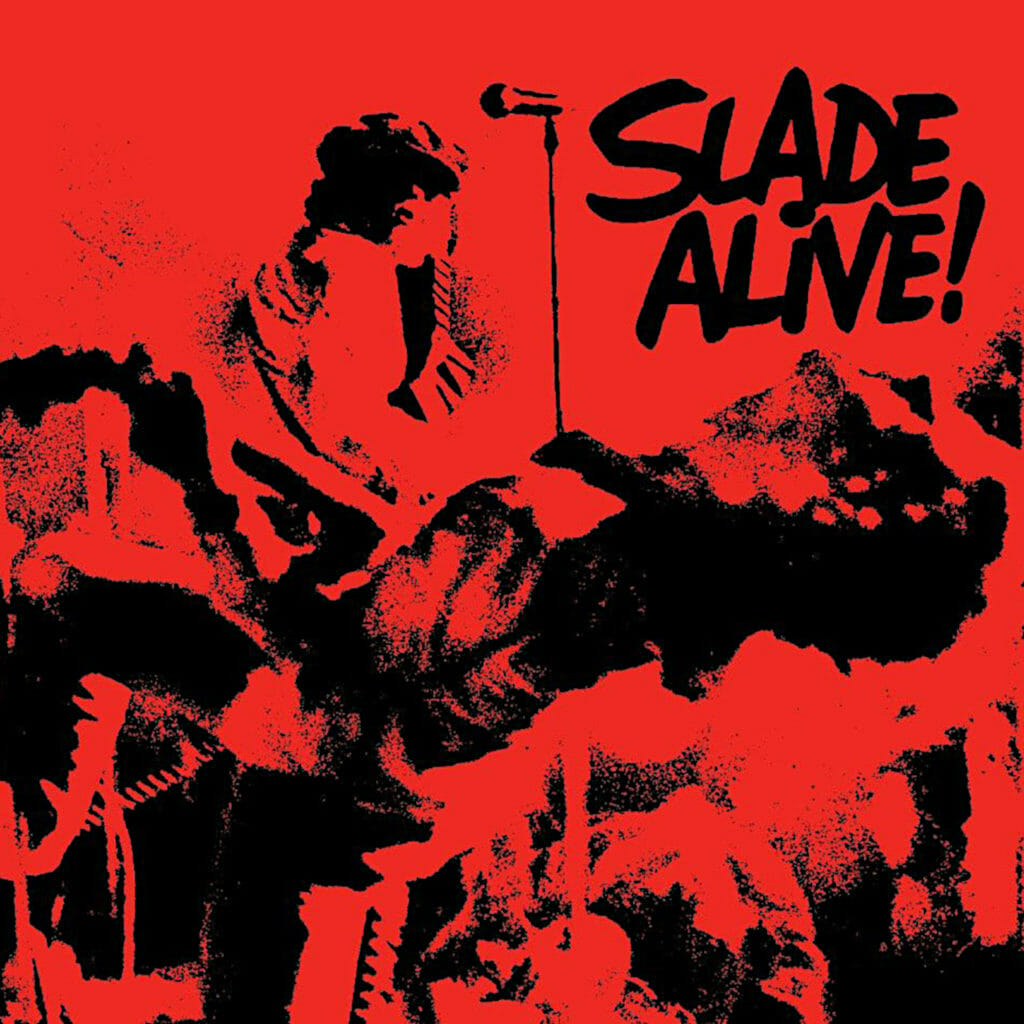
- Slade Alive! (1972) live album
- Slayed? (1972)
- Sladest (1973)
- Old New Borrowed and Blue (1974)
- Slade in Flame (1974)
- Nobody’s Fools (1976)
- Whatever Happened to Slade (1977)
- Slade Alive, Vol. 2 (1978) live album
- Return to Base (1979)
- We’ll Bring the House Down (1981)
- Till Deaf Do Us Part (1981)
- Slade on Stage (1982) live album
- The Amazing Kamikaze Syndrome (1983)
- Rogues Gallery (1985)
- Crackers – The Christmas Party Album (1985)
- You Boyz Make Big Noize (1987)
Photo Gallery
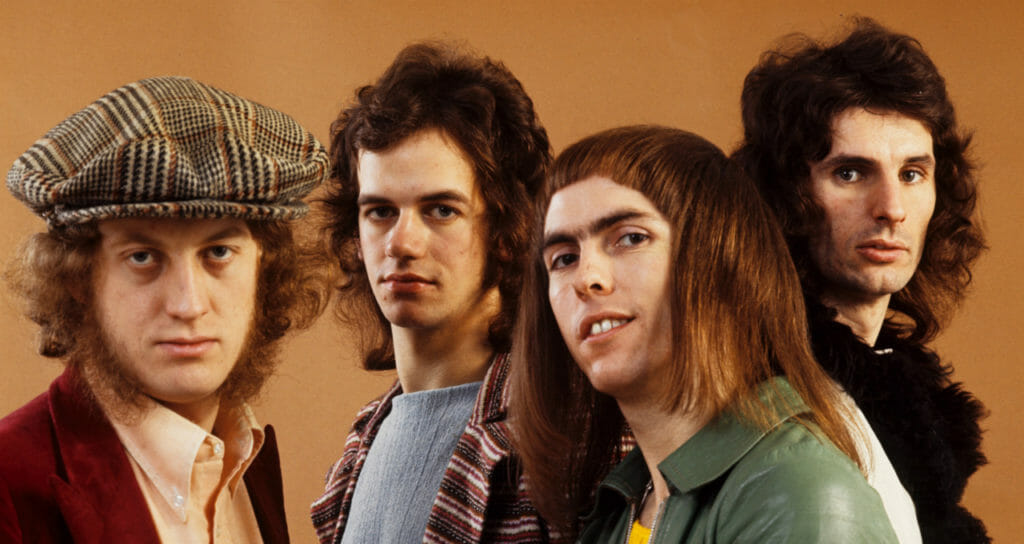

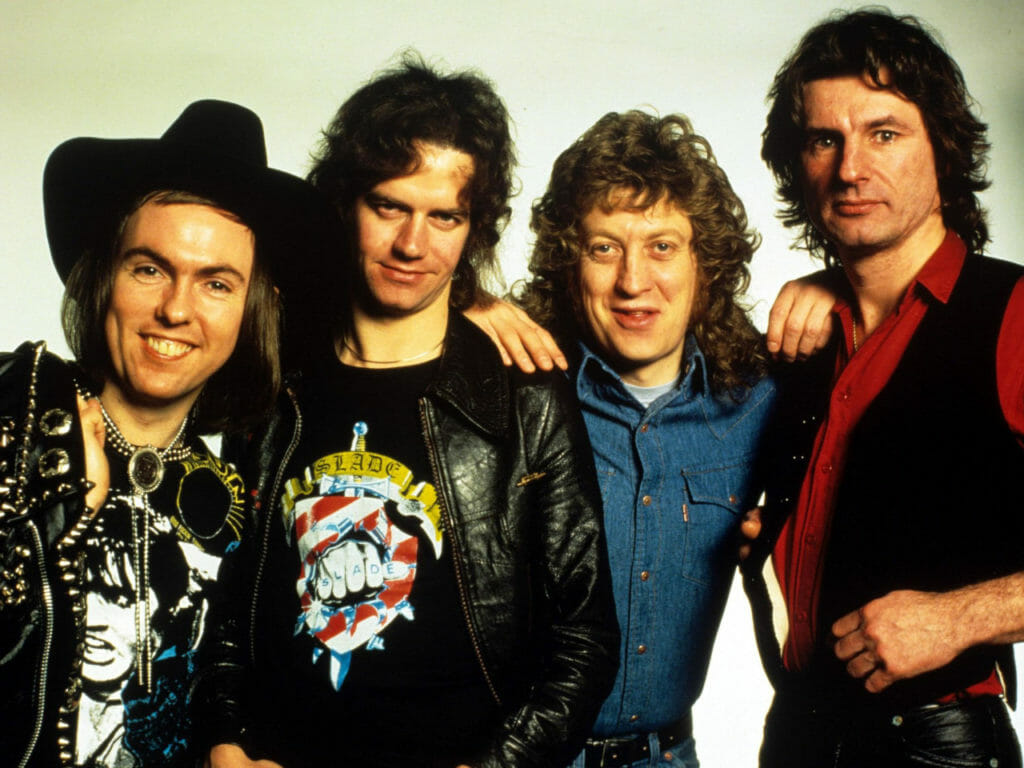
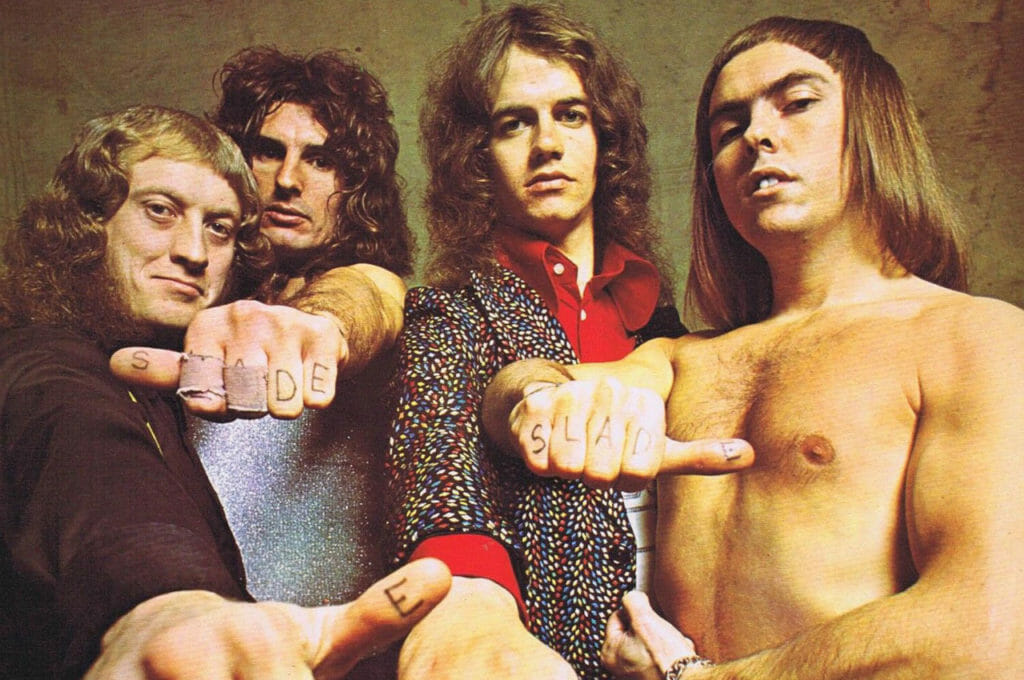



Slade, Chaos, and Authority: The Rowdy Spirit of a Loud Era
When discussions turn to bands that frequently clashed with authorities during the early 1970s, Slade is often mentioned by those who witnessed the era firsthand. Today, the band is widely celebrated for its explosive choruses and joyful glam rock anthems, but at the height of their popularity, Slade’s relationship with order, restraint, and authority was anything but calm.
Understanding these incidents requires historical context. Slade emerged in a still deeply conservative Britain, particularly outside major cultural centers. Long hair, exaggerated clothing, platform boots, and overwhelming volume were not merely stylistic choices — they were perceived as direct challenges to public decency. To local authorities, conservative media, and traditional institutions, Slade represented something unsettling: a massive, noisy youth movement that refused to be controlled.
The band’s live shows quickly gained a reputation for chaos. Crowds were intense and unruly, with frequent stage invasions, pushing, and levels of volume that tested both venues and local tolerance. Concerts were occasionally interrupted, complaints were filed, and police intervention was not uncommon. While this kind of behavior was not unprecedented in rock music, Slade amplified it through their raw energy and unapologetic attitude.
Offstage, the stories followed a similar pattern. Accounts found in interviews and biographies describe hotel damage, clashes with security, and expulsions from venues. These incidents were not driven by ideology or deliberate provocation, but rather by a refusal to conform to expectations of polite behavior. Slade did not attempt to soften their working-class image or perform respectability for the sake of acceptance.
Importantly, Slade never built their identity around danger or scandal. Unlike later movements that transformed confrontation into political symbolism, Slade’s defiance was rooted in humor, excess, and irreverence. Their songs were not manifestos; their rebellion was spontaneous rather than strategic.
As their popularity grew, the tension gradually faded. Slade became a household name, embraced by radio, television, and a broad audience. What once alarmed authorities was eventually absorbed into mainstream culture, reinterpreted as part of the exuberance of a louder, more permissive era.
Looking back, these stories matter less as scandals and more as cultural markers. Slade embodied something deeply unsettling for its time: a working-class youth culture that was loud, visible, and unapologetically present. It was not political extremism or criminal intent that caused friction — it was noise, excess, and a refusal to behave quietly. And in early 1970s Britain, that alone was enough to cause trouble.
SLADE Related Posts
- The Allure of the Night: Exploring the ‘Nocturna Playlist’ PhenomenonThe 'Nocturna Playlist' encapsulates the allure of the night, exploring …
- The Black Keys – Lonely Boy [Official Music Video]The Black Keys have released the official music video for …
- The Metal Transformation of Lady Gaga’s ‘Bad Romance’: A Sonic ExplorationExplore the intriguing transformation of Lady Gaga's 'Bad Romance' into …
- The Carnival of Sins: Mötley Crüe’s Musical Odyssey through Vice and VirtueMötley Crüe's 'Carnival of Sins' serves as a vivid metaphor …
- The Pretty Reckless Playlist: A Journey Through Lyrical MaturityThe Pretty Reckless Playlist showcases a journey through lyrical maturity, …
- The Allure of the Undead: Vamps By ANKH TV Set 01 and the Musical ConnectionExplore the Vamps By ANKH TV Set 01 gallery, where …