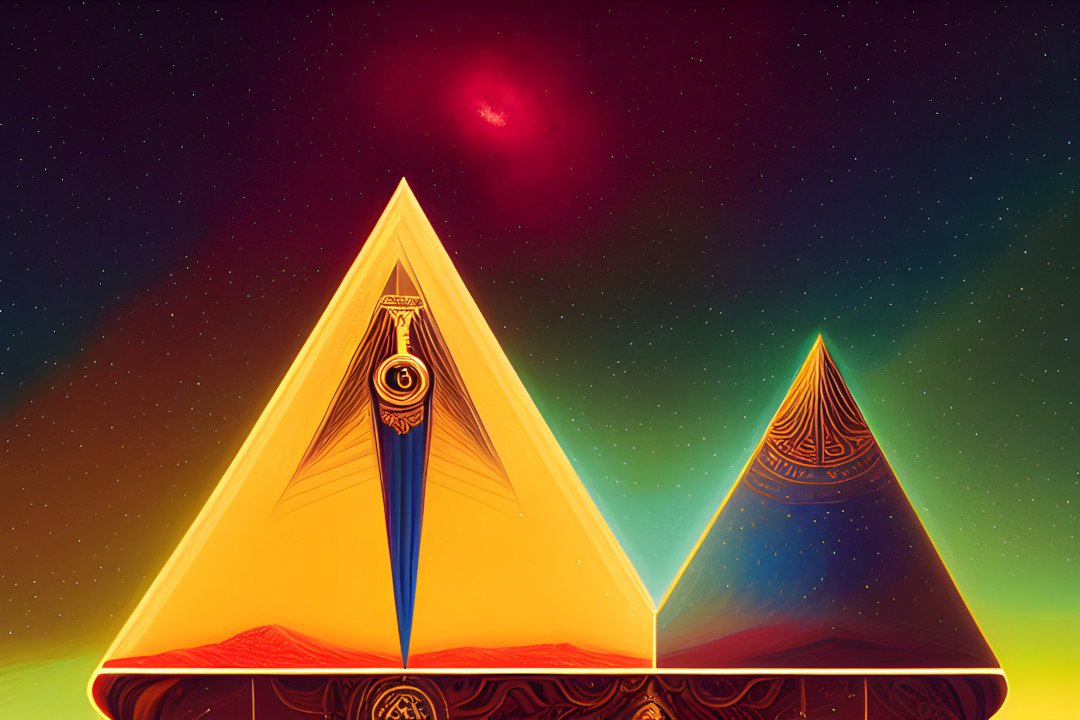
The Enigma of Amun
Amun, often referred to as the ‘Hidden One,’ holds a unique place in the pantheon of ancient Egyptian deities. His very name evokes a sense of mystery, suggesting a god whose presence is felt rather than seen. This enigmatic quality has led to a rich tapestry of mythological narratives and interpretations, each seeking to unravel the complexities of his character and influence. As we delve into the mystical themes surrounding Amun, we uncover layers of belief, speculation, and cultural significance that continue to captivate scholars and enthusiasts alike.
Amun’s Evolution: From Local Deity to Supreme God
Initially worshipped in Thebes, Amun’s ascendance during the New Kingdom marked a pivotal shift in Egyptian religion. His syncretism with Ra, the sun god, birthed Amun-Ra, a composite deity that embodied both the hidden and the illuminating aspects of divinity. This transformation reflects not only Amun’s growing prominence but also the evolving spiritual landscape of ancient Egypt, where the interplay between light and darkness became a central theme in understanding the divine. The merging of these two powerful gods illustrates how ancient Egyptians sought to reconcile the visible and the invisible, the known and the unknown.
Symbolism and Mysticism
Amun’s attributes extend beyond mere representation; they delve into the realms of symbolism and mysticism. Often depicted with a ram’s head, Amun symbolizes fertility, strength, and the life-giving forces of nature. His association with air and creation further underscores his role as a primordial deity, one who breathes life into existence. In rituals and offerings, Amun was invoked not just for prosperity but as a means of connecting with the unseen forces that govern the universe. This connection to the mystical aspects of life is what makes Amun a compelling figure in the study of ancient spirituality.
The Political Dimension of Amun Worship
Amun’s influence transcended the spiritual realm, intertwining with the political fabric of ancient Egypt. Pharaohs claimed divine descent from Amun, reinforcing their authority and legitimizing their rule. The grandeur of the Karnak Temple complex stands as a testament to Amun’s significance, showcasing the wealth and power of the priesthood dedicated to his worship. This intertwining of religion and politics raises intriguing questions about the nature of power and the role of the divine in shaping human affairs. Was Amun merely a tool for the elite, or did he genuinely embody the aspirations of the people?
Controversies and Interpretations
The narratives surrounding Amun are not without their controversies. Different texts, such as the Pyramid Texts and Coffin Texts, offer varying interpretations of his attributes and roles, leading to debates among scholars about the consistency of his portrayal. Some argue that these discrepancies reflect the evolving nature of belief systems in ancient Egypt, while others suggest they highlight the complexity of Amun’s character as a deity who defies simple categorization. This ambiguity invites speculation about the nature of divinity itself—can a god truly be understood, or is he meant to remain an eternal mystery?
Amun in the Afterlife: A Guide to the Soul’s Journey
In addition to his terrestrial significance, Amun’s role in the afterlife is a crucial aspect of his mythology. He was often invoked to guide souls through the perilous journey of the underworld, embodying the hope of rebirth and renewal. This association with the afterlife further cements Amun’s status as a multifaceted deity, whose influence extends beyond the physical realm into the spiritual. The belief in Amun as a protector of the dead reflects the ancient Egyptians’ deep-seated understanding of mortality and the quest for eternal life.
Conclusion: The Enduring Legacy of Amun
Amun, the hidden god of ancient Egypt, encapsulates the complexities of belief, myth, and speculation. His evolution from a local deity to a central figure in the Egyptian pantheon illustrates the dynamic nature of religious thought in antiquity. As we continue to explore the mystical themes and supernatural tales associated with Amun, we are reminded of the enduring legacy of ancient Egyptian spirituality—a legacy that invites us to ponder the unseen forces that shape our own lives.
CONTINUE TO MAIN POST
Amun: The Hidden God of Ancient Egypt and the Mystical Realms Beyond Related Posts
- Ra: The Supreme Sun God of Ancient EgyptRa, the supreme sun god of ancient Egypt, symbolizes creation …
- Amun: The Hidden God of Ancient EgyptAmun, a significant deity in ancient Egyptian mythology, embodies the …
- Amun: The Hidden God of Ancient Egypt and the Mystical Realms BeyondAmun, the 'Hidden One,' embodies mystery in ancient Egyptian mythology. …