
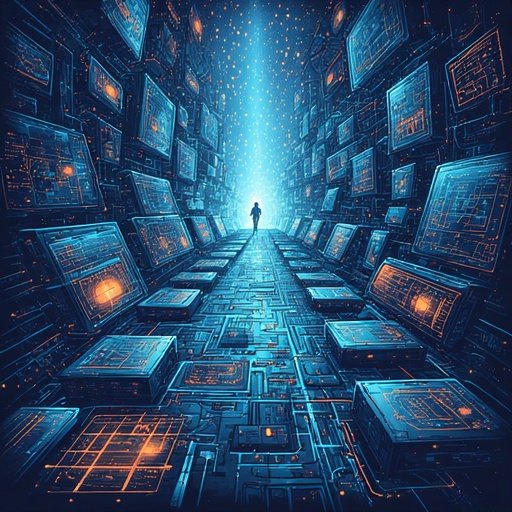
In an age where digital representation is becoming increasingly crucial, the emergence of AI avatars offers a fascinating intersection of technology, creativity, and privacy. Platforms like ANKH TV on Perchance.org allow users to create highly personalized avatars, providing a playground for artistic expression. But what if the avatars we create could also serve as a shield for our identities in the digital realm? This is where concepts like zk-SNARKs and zero-knowledge proofs come into play, fundamentally reshaping how we think about anonymity and representation online.
Zero-Knowledge proofs are a form of cryptographic technology that allows one party to prove to another that a statement is true without revealing any additional information. Imagine crafting an avatar that not only reflects your aesthetic preferences but also embodies your desire for privacy. With zk-SNARKs, users could potentially verify their age, identity, or other attributes without exposing sensitive personal data. This could revolutionize online interactions, enabling a new level of trust in digital spaces where anonymity is often at odds with transparency.
The cultural implications of such technology are profound. As we navigate a world increasingly dominated by data breaches and privacy concerns, the ability to maintain an anonymous digital identity while still engaging meaningfully could empower individuals in unprecedented ways. This could be especially significant for marginalized communities or those living under oppressive regimes, where the freedom to express oneself without fear of repercussion is vital.
However, the marriage of avatar creation and cryptographic anonymity is not without its controversies. Critics argue that such technologies could foster environments ripe for misuse, where individuals hide behind avatars to engage in harmful behavior without accountability. Balancing the benefits of anonymity with the need for responsible digital citizenship remains a pressing challenge.
As we explore the artistic possibilities of avatar creation on platforms like ANKH TV, we must also consider the ethical dimensions of our digital identities. The avatars we create can serve as canvases for self-expression, but they can also become masks that obscure our true selves. In a world where our online personas can be crafted with precision and style, the question arises: how do we ensure that our digital identities reflect authenticity rather than artifice?
In conclusion, the intersection of AI avatar creation and zero-knowledge cryptography presents an intriguing frontier for both technology and culture. As we continue to experiment with our digital identities, we must navigate the complexities of anonymity and representation, ensuring that our avatars serve as true reflections of who we are, both online and offline. The future of identity may very well depend on our ability to balance creativity with responsibility in this brave new digital landscape.
The Future of Identity: Crafting Avatars in a Zero-Knowledge World Related Posts
- Image Gallery – Fantasy FacesThe "Fantasy Faces" image gallery presents a curated collection of …
- Daughters of the Crimson GazeThe gallery "Daughters of the Crimson Gaze" showcases a collection …
- Evolving Avatars: The Visual Symphony of Music IconsExplore the dynamic interplay of music and visual identity through …