Unearthing the Mythical Roots
In the heart of Southeast Asia, the Krasue emerges from the shadows of folklore, a spectral figure that embodies the complexities of cultural beliefs and societal fears. This mythological entity, often portrayed as a floating female head with trailing internal organs, is a product of ancient animistic traditions and spiritual practices. Its origins remain shrouded in mystery, with references found in oral traditions and literature that stretch back centuries. The Krasue is not merely a horror story; it encapsulates the fears and moral lessons prevalent in the societies that birthed it, making it a fascinating subject for exploration.
The Duality of Existence
The Krasue is a compelling representation of duality, existing simultaneously as a woman and a monstrous being. This dichotomy reflects societal anxieties surrounding femininity and sexuality, particularly in cultures where women’s roles are often defined by strict norms. The entity’s gruesome appearance—characterized by a disembodied head, long hair, and dangling organs—serves as a stark reminder of the consequences of one’s actions, particularly for women who transgress societal boundaries. The Krasue’s nocturnal habits, preying on pregnant women and livestock, further amplify its role as a harbinger of death and misfortune, intertwining the themes of life and death in a chilling narrative.
Controversies and Cultural Interpretations
As with many mythological figures, the Krasue has sparked debates regarding its interpretation and significance. Some scholars argue that the entity symbolizes the fears of female empowerment and independence, while others view it as a cautionary tale warning against moral transgressions. The varying interpretations highlight the Krasue’s adaptability within cultural narratives, allowing it to resonate with contemporary audiences. In modern media, the Krasue has been reimagined in films and literature, often stripped of its original context, leading to discussions about the preservation of cultural heritage versus the allure of sensationalism in storytelling.
Symbolism and Aesthetic Representation
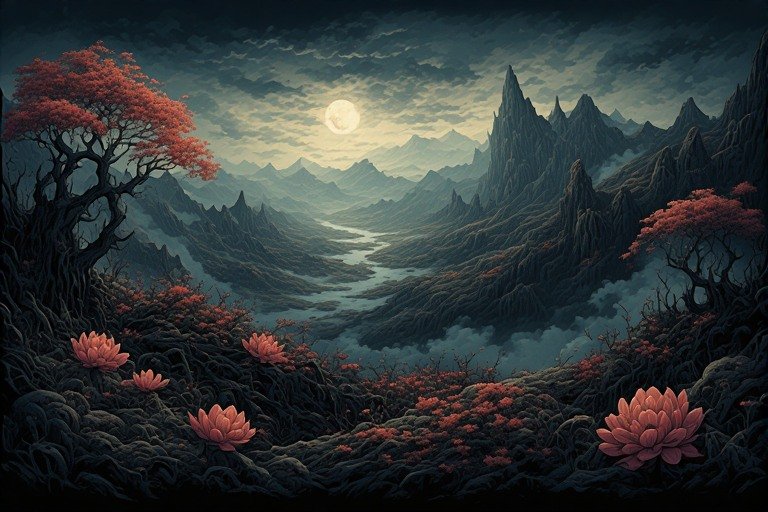
The aesthetic portrayal of the Krasue in art and cinema further enriches its mythological narrative. Artists often depict the Krasue with vivid colors and haunting imagery, capturing the essence of horror while inviting viewers to reflect on deeper themes of mortality and morality. This interplay between beauty and terror serves to engage audiences, prompting them to confront their own fears and beliefs. The visual representation of the Krasue transcends mere horror, becoming a canvas for exploring the complexities of human experience and societal values.
Legacy and Modern Relevance
Despite its roots in ancient folklore, the Krasue remains a relevant figure in contemporary culture, symbolizing the enduring nature of myth in shaping societal narratives. Its presence in modern media, from horror films to graphic novels, illustrates the adaptability of folklore in addressing current issues, such as gender roles and societal expectations. As audiences continue to engage with the Krasue, it serves as a bridge connecting the past with the present, ensuring that this enigmatic entity remains a subject of fascination and inquiry for generations to come.
CONTINUE TO MAIN POST
The Enigmatic Krasue: A Glimpse into Southeast Asian Mythology Related Posts
- Uriah HeepUriah Heep are an English rock band formed in London in 1969. Their …
- Icon of Sin – “Shadow Dancer” – Official Music Video | @Raphael MendesFrontiers Music Srl has announced the debut album of Brazil's …
- Uriah Heep The Magician’s BirthdayThe Magician's Birthday is the fifth album by British rock band Uriah Heep, released …