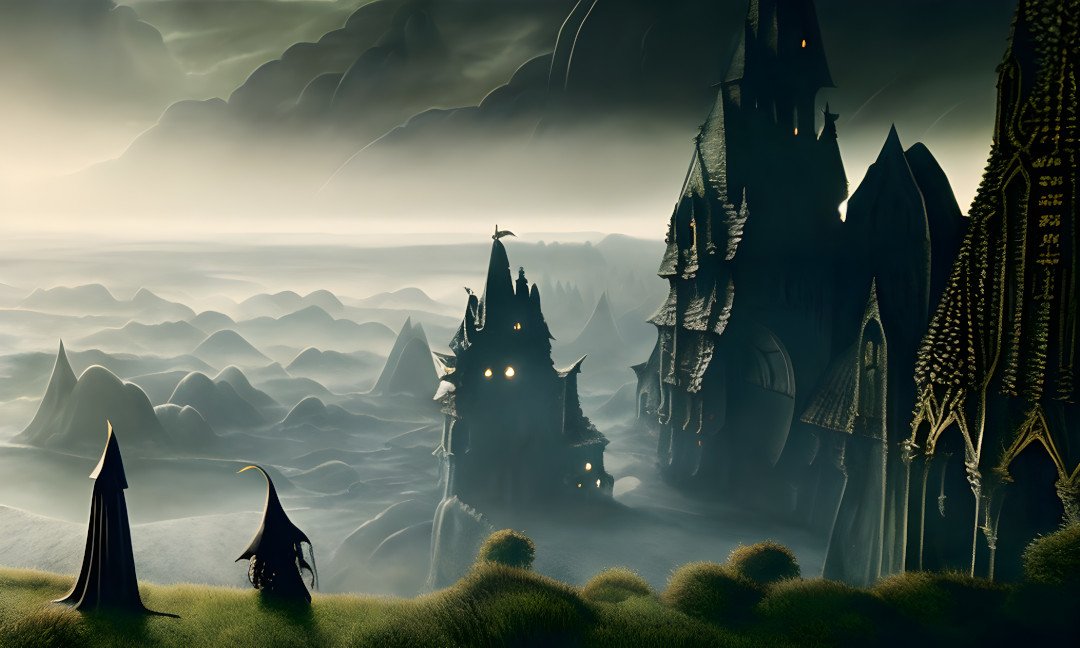
The Enigmatic Allure of Selene
In the vast tapestry of ancient Greek mythology, Selene stands out not merely as a goddess but as a symbol of the moon’s enchanting and mysterious qualities. As the lunar titaness, she embodies the ethereal light that bathes the world in silver during the night, evoking feelings of wonder and contemplation. Her presence in the night sky has inspired countless stories, artistic expressions, and even philosophical musings, making her a timeless figure in the realm of the mystical.
Symbolism of the Moon: A Dual Nature
Selene’s association with the moon extends beyond mere illumination; it reflects a duality that resonates deeply within human experience. The moon, with its changing phases, symbolizes the cyclical nature of life—birth, growth, decay, and rebirth. In this sense, Selene serves as a reminder of the transient beauty of existence. Her connection to fertility and agriculture further emphasizes this, as the moon’s cycles have historically guided planting and harvesting. Thus, Selene’s influence permeates both the celestial and earthly realms, intertwining the mystical with the practical.
Myths of Love and Longing
One of the most poignant tales associated with Selene is her love for the handsome mortal Endymion. According to myth, she fell deeply in love with him and, in a bittersweet twist, granted him eternal sleep, allowing her to visit him each night. This narrative encapsulates the themes of unfulfilled desire and the passage of time, highlighting the complexities of love that transcends the mortal realm. The story of Selene and Endymion is not just a romantic tale; it serves as an allegory for the longing that accompanies beauty and the inevitable distance between the divine and the human.
Cultural Resonance Through the Ages
Selene’s impact on art and literature is profound, echoing through centuries and cultures. In ancient Greece, she was celebrated in poetry, where her luminous beauty inspired countless verses. The Romans, adopting her figure as Luna, further entrenched her legacy within the pantheon of lunar deities. Even as Christianity rose and overshadowed many pagan beliefs, Selene’s essence lingered in folklore and astrology, where the moon continues to symbolize intuition, emotion, and the subconscious. This cultural resonance illustrates how Selene’s influence transcends her mythological origins, embedding her in the collective consciousness.
Contemporary Interpretations and Speculations
In modern times, Selene’s figure has inspired a myriad of interpretations, often blending myth with contemporary themes. Artists and writers have reimagined her story, exploring ideas of femininity, power, and the relationship between the celestial and the earthly. However, it is crucial to distinguish between these creative interpretations and the original mythological narrative. While contemporary portrayals may draw from Selene’s essence, they often infuse her character with modern sensibilities that diverge from ancient beliefs.
Conclusion: The Everlasting Mystique of Selene
Selene, the lunar titaness, remains a captivating figure within the realm of mythology, embodying the beauty and mystery of the moon. Her stories of love, longing, and the cyclical nature of existence continue to resonate, inviting us to explore the deeper meanings of our own lives. As we gaze at the moonlit sky, we are reminded of Selene’s enduring legacy—a celestial presence that inspires curiosity and wonder in our hearts.
CONTINUE TO MAIN POST
Selene: The Lunar Titaness and Her Mystical Legacy Related Posts
- Belle Nielis – Veil of the Raven Queen | This second song represents the moment of divine response"Veil of the Raven Queen" marks a pivotal moment in …
- The Dark Feminine: Tattoo Inspirations from Music and MythExplore the intersection of dark feminine tattoos and music, uncovering …
- Selene: The Lunar Titaness and Her Mystical LegacySelene, the lunar titaness of ancient Greek mythology, embodies the …