Introduction
Released in 1991, Metal Church’s “In Harms Way” arrived as a fierce statement from a band sharpening its focus in a changing musical landscape. Issued alongside a performance-driven music video under the Sony umbrella, the song distilled the group’s blend of classic heavy metal precision and thrash-informed urgency into something lean, direct and charged with social commentary.
Positioning the Track in Metal Church’s Evolution
By the early 1990s, Metal Church had matured into a formidable force defined by airtight riff work, articulate songwriting and a voice that could cut through a wall of guitars. Fronted by Mike Howe during this period, the group leaned into themes that looked outward at society rather than inward at fantasy. “In Harms Way” sits squarely in that phase, harnessing muscular musicianship to match a pointed lyrical outlook. It is an important waypoint between the band’s early speed-and-steel foundations and a more deliberate, socially conscious mode that still retained bite.
Sound and Structure
“In Harms Way” pivots on a mid-tempo engine, precise and unflinching. The guitars favor tightly coiled, palm-muted riffs with just enough open-chord lift to let the chorus breathe. You can hear the careful stacking of rhythm figures, one locking into the next, creating a sense of inevitability that underpins the song’s message.
The arrangement follows a confident arc. Verses ride a tense, pressurized groove, vocals framed by clipped guitar phrases and a drum pattern that emphasizes clarity over flash. Pre-chorus transitions ratchet the tension through ascending chord movement, then the chorus lands with a wider harmonic bed and a vocal line built for projection. Midway, a bridge injects additional drama, allowing the lead guitar to open up with a solo that balances melody and grit rather than sprinting into shred for its own sake. The return to the main motif after the solo feels earned, a reset that underlines the song’s central hook.
Guitars, Rhythm and Voice
The dual-guitar architecture is central to the track’s weight. Rhythm figures are crisp and palm-muted, then punctuated by harmonized accents that add movement without clutter. The lead work is lyrical and slightly biting, with phrasing that nods to traditional metal while keeping one foot planted in a street-level realism. Tones are saturated but not smeared, emphasizing contour and attack.
The rhythm section provides the steel beam. The bass anchors the low end with a rounded, supportive presence that tracks the guitars but fills just enough space to prevent the mix from feeling airless. Drums are dry and deliberate, the snare cutting cleanly, the kick steady and centered. Rather than chasing relentless speed, the performance leans on placement and punctuation, which amplifies the song’s lyrical focus.
Mike Howe’s vocal performance is the connective tissue. His delivery is forceful, articulate and pitched to be understood as much as felt. He navigates the verses with a clipped insistence, then opens the throat on the chorus, giving the refrain a sense of obligation and gravity. It is a performance that invites attention to the words without sacrificing power.
Lyrical Focus and Themes
The phrase “in harm’s way” carries both everyday usage and political resonance, and the song draws on that tension. The lyrics consider the distance between rhetoric and consequence, focusing on the people positioned to absorb cost rather than those who issue directives. There is empathy for those caught at the front lines of policy decisions, and a skepticism toward narratives that sanitize risk or minimize fallout. The track does not come across as a lecture, more as a hard look at stakes and responsibility.
Across the Howe-era catalog, Metal Church often trained its gaze on social mechanisms and personal accountability. “In Harms Way” fits that tradition, framing heavy topics in direct language, then reinforcing them with musical choices that refuse melodrama. The steadiness of the groove and the clarity of the chorus feel intentional, echoing the song’s insistence on confronting reality without adornment.
The Video: Performance and Atmosphere
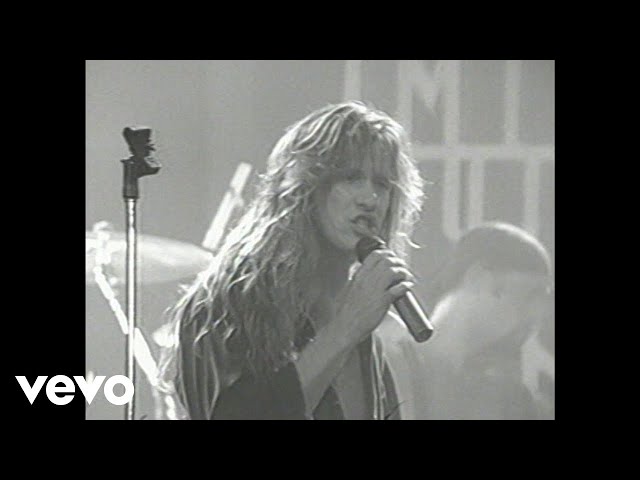
The accompanying music video complements the song’s blunt force. Its core is a tight, no-frills performance, light on narrative ornament. Visual pacing mirrors the track’s structure: tense, close-in verses, then wider, more emphatic framing for the chorus. The palette favors grit over gloss, with lighting and editing that amplify the band’s physicality, the push and pull of chugging guitars and snapping snare. Rather than literalizing the lyrics, the video leans on suggestive imagery and mood, letting the music carry the message.
Production Aesthetics
The early-90s metal production ethos is clear: rhythm guitars pressed forward, drums captured with definition, vocals carved into their own space. Dynamics are present, even in a compact mix. The guitar layers separate cleanly, with just enough room for the lead lines to crest over the rhythm bed. Cymbals are bright but not brittle, bass is audible and supportive, and the overall sound prizes impact without washing out the transients. It is the kind of production that ages well because it avoids the extremes that later marked the loudness wars.
Context in 1991
When “In Harms Way” emerged, heavy metal was experiencing both diversification and pressure from shifting mainstream tastes. Thrash’s maximalism, traditional metal’s classicism and a rising tide of alternative rock created a complex environment. Metal Church responded by doubling down on compositional rigor and sharpened themes. The result was music that could stand next to the ferocity of thrash while asserting a narrative voice rooted in observation and consequence. In that light, “In Harms Way” reads like a statement of purpose: grounded, direct, resistant to trends.
Why It Endures
Three qualities keep the track vital. First, its songwriting economy. Every section serves a function, and the transitions are seamless. Second, its performances, which value clarity and conviction over flash. Third, its subject matter, which remains stubbornly relevant. The song does not date itself with overly specific references, yet it speaks plainly about cycles of risk and responsibility. That balance helps it hold its place among the band’s most resonant works of the era.
Listen For
- The verse-to-chorus expansion, where tight, palm-muted riffs open into a broader harmonic field that lifts the vocal hook.
- The solo’s narrative arc, melodic lines that escalate tension without detouring into virtuoso excess.
- The drum placement, emphasizing pocket and punctuation over speed, which magnifies the lyric’s gravity.
- The vocal articulation, a performance that ensures the message lands clearly while preserving grit and force.
Closing Thoughts
“In Harms Way” captures Metal Church at a moment of exacting focus, distilling their strengths into a song that hits hard without resorting to blunt-force spectacle. Its combination of disciplined riff craft, muscular rhythm, purposeful vocals and sober thematic weight makes it a standout from its year of release, and a reliable touchstone for anyone exploring the band’s early-90s output. That its video foregrounds performance and presence only deepens the impression of a band committed to substance first, impact second and spectacle a distant third.
Metal Church – In Harms Way Related Posts
- Metallica: The Unforgiven (BottleRock – Napa, CA – May 27, 2022)Metallica performed "The Unforgiven" at the BottleRock Napa Valley festival …
- THE AGONIST – Feast On The Living (Official Video) | Napalm RecordsThe Agonist has released the official video for "Feast On …
- THE VINTAGE CARAVAN – Crazy Horses (OFFICIAL VIDEO)The Vintage Caravan has released the official video for "Crazy …
- Black Stone Cherry – White Trash Millionaire [OFFICIAL VIDEO]Black Stone Cherry has released the official music video for …
- POWERWOLF – Killers With The Cross (Official Video) | Napalm RecordsPowerwolf has solidified their status in the heavy metal scene …
- Niamh – Ballad of Oisín and Niamh Niamh’s Lament | A tale of love, enchantment, and tragedyThe song "Niamh’s Lament" draws inspiration from the Celtic legend …