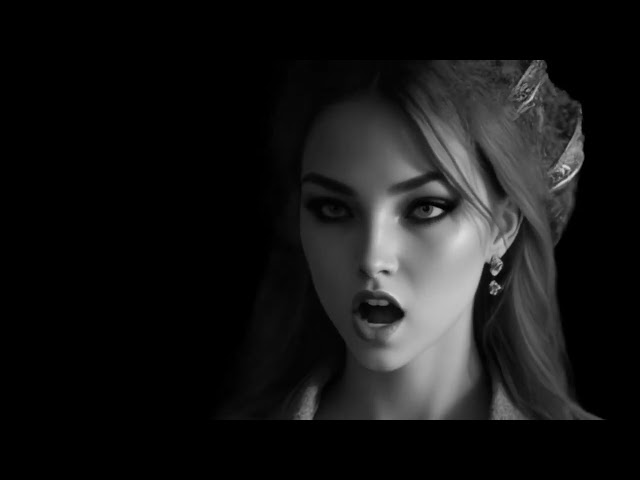
Between War Drums and Incantations
With The Sorcery of Aratta, Evil Beauty turns to one of the oldest recorded myths to animate a heavy, haunted vision of power and piety. Drawing from the Sumerian cycle surrounding Enmerkar, the ruler of Uruk, and the distant mountain city of Aratta, the track lingers where steel and spellcraft converge. It is a study in tension: martial riffs grind against spectral harmonies, while a commanding female voice threads ritual clarity through smoke-thick distortion. The result sits comfortably in the terrain of proto-metal and mythic metal, rooted in classic heaviness yet charged with an archaic atmosphere.
The Mythic Backdrop
Ancient Mesopotamian literature preserves several poems that pit Enmerkar against Aratta, a remote center famed for sacred stones, precious metals and ornate craftsmanship. These narratives are not straightforward chronicles of conquest. They unfold through embassies, invocations and contests of divine favor, especially that of the goddess Inanna. Sorcerers and priestly figures shape outcomes with incantations, and messages move between cities as much by magic as by messenger. Violence is threatened, but the decisive blows often occur on spiritual ground. Evil Beauty taps this ambiguity, emphasizing the eerie balance between earthly might and the veiled, ritual actions that bend fate.
Sonic Architecture
The recording leans into low-tuned guitar figures and a weighty rhythm section, establishing a sense of mass from the first bars. Riffs move with a deliberate, almost processional gait, favoring steady downstrokes and modal inflections that hint at ancient Near Eastern tonality without lapsing into pastiche. The bass anchors the midrange throb and thickens the harmonic floor. Drums emphasize toms and cymbal wash, a combination that evokes both war preparation and temple ceremony. The pacing is controlled rather than frantic, allowing the arrangement to breathe and the thematic elements to land with force.
Voice as Ritual Focus
The most immediate point of contrast arrives in the vocals. A haunting female lead sits high in the mix, carrying melodies that cut through the guitars with an almost liturgical clarity. Rather than overpowering the instrumental heft, the voice reframes it, shifting the ear from battlefield imagery to sanctum and shrine. Phrasings favor sustained notes and minor-key contours, an approach that suggests invocation more than narrative recitation. Occasional harmonies and layered whispers deepen the impression of rite and response, as if a chorus of acolytes shadows the central voice.
Imagery and Language
Lyrically, The Sorcery of Aratta circles themes of contested sovereignty, sacred materials and the volatility of divine patronage. References to stones, treasures and temple craft recall the poems’ emphasis on Aratta’s resources, while invocations and commands point to the political weight of priestly speech in Sumerian society. The song positions magic not as spectacle but as leverage, a tool that tests mortal resolve against decrees from the gods. That framing reflects the source material, where spells and countersigns steer outcomes as convincingly as armies.
Texture, Space and Atmosphere
Production choices underline the mythic frame. Guitars occupy a wide stereo field, with grain in the upper mids that keeps the edges tactile. Reverb is used with intention, creating pockets of resonance that read as architectural space rather than haze. Brief breaks in the onslaught, where drums pull back and guitars suspend on drones or single-note figures, function like thresholds between earthly and otherworldly planes. When the full ensemble returns, it lands with the satisfying impact of a gate closing.
Riffs That Carry History
While the song embraces weight, it avoids monotony through subtle internal motion. Riff tails twist, ornaments appear in second phrases, and syncopated kicks point against the guitars to unsettle the downbeat. These details reward close listening and give the track a narrative arc in the absence of rapid tempo shifts. There is a sense that each iteration of the main motif is another embassy sent, another decree answered, another round in an old contest that will not resolve by force alone.
Context Within Heavy Music
The Sorcery of Aratta situates Evil Beauty within a lineage of heavy acts that mine deep time and sacred text for inspiration. The approach resonates with proto-metal’s fondness for slow-burn riffing and mythic scale, while a mythic metal sensibility informs the vivid storytelling and ritual framing. By emphasizing incantation and the politics of the sacred, the song distinguishes itself from more battle-forward interpretations of ancient material. It suggests that the true theater of this legend is not the field but the temple, the private chamber, the hidden corner where words change the world.
Why This Story, Why This Sound
The Enmerkar cycle is a potent choice for heavy music because it treats power as a negotiation among humans, gods and the mediating language of rites. Evil Beauty translates that complexity into a structure where every musical element carries symbolic weight. Guitars bear the load of labor and threat, drums map the cadence of command, and the voice becomes the conduit that binds intention to outcome. Together they make a case for heaviness as more than volume, presenting it instead as a method for sounding history’s oldest anxieties about legitimacy, wealth and the favor of the divine.
Final Impression
The Sorcery of Aratta succeeds by refusing to separate war from worship. Its heavy riffs and spectral singing do not compete but cohere, conveying how ancient power moved between swords and spells. In focusing on the shadowy tools of priests and priestesses, Evil Beauty finds a fresh angle on a well-trodden field, and delivers a piece that lingers after its final crash fades, like incense in a newly quiet room.
Key strengths:
- Riff-centered heft balanced by clear, expressive vocals
- Mythic narrative integrated through imagery rather than exposition
- Production that supports atmosphere without dulling impact
- Subtle modal colors that evoke place and era
#SorceryOfAratta #EvilBeauty #ProtoMetal #MythicMetal #MesopotamianMyth #HeavyMetal #AncientLegends #WarAndMagic
Evil Beauty – The Sorcery of Aratta | The ancient Mesopotamian myth of Enmerkar’s war against Aratta Related Posts
- Lay DownThe song "Lay Down" by The Devil and the Almighty …
- The Second Moon Rises – Mirror of the Void | The first physical clash between the rebels songThe song "The Second Moon Rises - Mirror of the …
- NITA STRAUSS – Our Most Desperate Hour (Official Music Video)Nita Strauss has released the official music video for her …