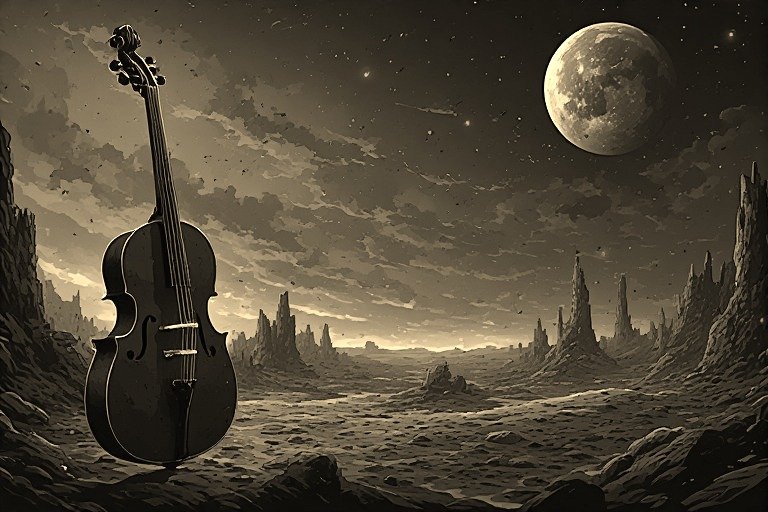
The Enigmatic Allure of Dark Music
In the realm of music, certain genres evoke emotions that are as profound as they are complex. Dark music, encompassing styles like Doom Metal, Darkwave, and Occult Rock, resonates with listeners on a level that transcends mere auditory pleasure. These genres often explore themes of despair, existentialism, and the supernatural, creating a tapestry of sound that invites introspection and contemplation. The allure of such music lies not just in its haunting melodies, but in its ability to articulate the shadowed tones of the human experience.
Symbolism and Aesthetics in the Abyss
Within the dark music scene, symbolism plays a pivotal role. Imagery associated with the occult, nature, and the metaphysical often permeates lyrics and album art, creating a visual and auditory experience that is deeply intertwined. For instance, the use of gothic motifs and references to ancient mythology can evoke a sense of mystery and reverence. This aesthetic not only captivates the audience but also serves as a conduit for exploring deeper philosophical questions about life, death, and the unknown.
Controversies and Cultural Impact
Dark music has not been without its controversies. The themes often explored in these genres can lead to misunderstandings, with critics sometimes labeling them as nihilistic or promoting negative ideologies. However, many artists argue that these expressions are not endorsements of darkness but rather explorations of it. The cultural impact of such music is significant, as it has fostered communities that celebrate individuality and embrace the complexities of the human psyche. Festivals dedicated to these genres often draw large crowds, showcasing the powerful connection between music and identity.
Myth and Speculation: The Mystique of the Occult
Occult themes in music have long fascinated audiences, blending myth with speculation. Many artists draw inspiration from esoteric traditions, creating an aura of mystique that invites listeners to ponder the unknown. While some may interpret these elements as mere artistic devices, others see them as genuine explorations of spiritual and metaphysical concepts. This dichotomy between belief and artistic expression adds another layer to the listening experience, making it not just about sound but about the stories and interpretations that arise from it.
Conclusion: The Lasting Echoes
As we navigate the echoes of the abyss, it becomes clear that dark music is more than a genre; it is a reflection of the complexities of existence. Through its haunting melodies and evocative themes, it invites us to confront our fears, desires, and the mysteries that lie beyond the veil of everyday life. The journey through these shadowed tones is not merely an exploration of sound but an invitation to delve into the depths of our own consciousness.
CONTINUE TO MAIN POST
Echoes of the Abyss: A Journey Through the Shadows of Sound Related Posts
- Belle Star – Psycho Age – Crystal Orchard | A song of inner awakening disguised as a dream"Crystal Orchard" by Belle Star is a song that embodies …
- The Unyielding Beat: Exploring the Melancholic Essence of Time in Blues MusicExplore the haunting themes of time and destiny in Belle …
- The Dance of Shadows: Unraveling the Choreography of ‘The Last Glow of Day’The official video for 'The Last Glow of Day' by …