A Gothic Makeover of a Synthpop Staple
Cradle Of Filth’s official video for Temptation captures a pivotal moment in the band’s mid-2000s evolution. Lifted from the 2006 album Thornography on Roadrunner Records, the single reimagines Heaven 17’s 1983 synthpop classic as a sleek, heavy, and hook-forward piece of gothic metal. The result is a collision of pop architecture and extreme-metal aesthetics, a study in how a band known for baroque melodrama and occult overtones can translate mainstream melodicism into its own language without losing bite.
Context and Origins
Temptation arrives at a time when Cradle Of Filth were emphasizing sharper production, tightened song structures, and a more pronounced melodic sensibility. Thornography favored groove and clarity, curbing some of the labyrinthine arrangements of their earlier symphonic black metal period in favor of bold choruses, cutting riffs, and a darker hard-rock sheen. Choosing Temptation was as much about playful provocation as it was about lineage, bridging British new wave’s urbane cool with the band’s theatrical ferocity.
The cover also underscores Cradle’s long-standing instinct to subvert expectations. By pulling a synthpop anthem into a heavier frame, they press on thematic continuities between genres: desire, danger, and the magnetism of forbidden impulses. It is one of the era’s most overt statements that the band could embrace immediacy while maintaining their identity.
Reimagining the Original
Where the Heaven 17 version glides on an elastic bass line and glossy keyboards, Cradle Of Filth pivot toward down-tuned guitars, a mid-tempo rhythmic punch, and atmospheric keys that suggest cathedrals more than nightclubs. The central figure of the song—its ascending push toward release—remains, but the context is darker and more corporeal. Chugging riffs and a tightly mic’d drum kit anchor the track, while synthesizers and orchestral pads add tension at the fringes.
Guitar lines often double or harden the original’s keyboard hooks, turning bright synth stabs into serrated motifs. The arrangement preserves the verse–pre-chorus–chorus rise, yet in Cradle’s hands the chorus lands with metallic weight. The band deploys dynamics like a trapdoor, using brief pauses and rhythmic resets to make the refrain feel both inevitable and menacing.
Vocal Chemistry and Lyrical Pulse
Vocal interplay is key to this version’s impact. Dani Filth’s delivery leans into a gritted, articulate snarl, keeping the lyric understandable while injecting venom into the phrasing. Countering him is British singer Harry (Victoria Harrison), whose bold, clear tone supplies the track’s seductive lift. Their trade-off reframes the song’s narrative as a dialogue, temptation folded into both invitation and warning.
Repetition is used as incantation. The titular word cycles like a mantra, tightening the song’s psychological grip. Cradle Of Filth exaggerate that ritual quality through layering and call-and-response, amplifying the original’s sense of compulsion. The push-pull between harsh and clean lines parallels the lyric’s duality: attraction versus consequence, control versus surrender.
Instrumentation and Production Choices
Thornography’s broader aesthetic informs the cover’s sonic profile. Guitars occupy a forward space in the mix, with a slightly scooped distortion that emphasizes percussive attack. The rhythm section favors precision over spectacle, opting for a steady pulse and selective bursts of double-kick rather than relentless barrage. Keyboards do not simply mimic the source material. Instead, they act as a gothic frame, supplying low choir beds, chilled string voicings, and metallic glints that expand the track’s atmosphere.
The production places clarity above chaos. Each element is audible and purposeful, allowing the hooks to stick without sanding away the band’s bite. This balance mirrors Thornography’s broader priorities: accessibility sharpened by a taste for the macabre.
Visual Language of the Official Video
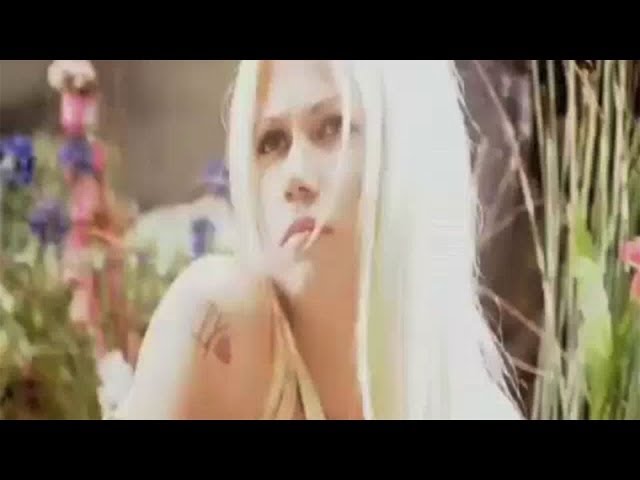
The video reinforces the music’s central tension between allure and risk. Performance scenes underscore the band’s muscular delivery, while stylized shots accent themes of seduction, transgression, and the charged space where control erodes. The palette leans toward cool, shadowed tones, with lighting that carves silhouettes and highlights movement. Edits track the song’s accelerations, cutting tighter and brighter as the chorus crests, then receding into negative space during verses to heighten anticipation.
Cradle Of Filth’s visual identity has long played with contrasts—beauty and decay, liturgy and lust—and Temptation uses those signatures to mirror the lyric’s central preoccupation. The imagery does not so much retell the story as intensify its emotional stakes.
Position Within the Thornography Era
As a single, Temptation stands alongside Thornography’s more riff-driven material, signaling the band’s willingness to foreground hooks without abandoning their darker instincts. It offered both a gateway for new listeners and a talking point for followers tracking the group’s shifts in emphasis from their symphonic, more labyrinthine past toward something leaner and more direct.
This cover also hints at a broader conversation inside metal during the mid-2000s, when many acts were rethinking production aesthetics and songcraft in search of clarity and impact. Cradle Of Filth’s interpretation aligns with that moment while remaining unmistakably theirs.
Why This Cover Endures
Temptation works because it respects the source while asserting a strong authorial voice. The hook remains indelible, but everything around it has been refitted for darker architecture. The interplay of voices amplifies the song’s psychological edge, the arrangement trades synth shimmer for steel and smoke, and the video consolidates these choices into a focused, recognizable statement.
In the band’s catalog, it represents a clear example of how Cradle Of Filth can move between subgenres and sensibilities without shedding identity. In the broader rock and metal landscape, it is a persuasive case study in how to cover a pop staple: treat the melody as a spine, then build a new body around it.
Notable Elements to Listen For
- The chorus lift, where layered vocals and guitar doubling drive the hook home.
- Keyboard textures that trade the original’s bright synths for shadowy choral pads and strings.
- Rhythmic restraint, allowing the groove to set the snare of the lyric’s repetition.
- Call-and-response phrasing that reframes temptation as dialogue rather than monologue.
Legacy and Afterglow
Years on, Temptation persists as one of Thornography’s most recognizable signposts. It encapsulates the era’s emphasis on precision and immediacy, and it continues to prompt discussion about the permeability between pop frameworks and metal expression. The track’s endurance lies in its economy and its atmosphere, proof that a well-chosen cover can open new doors while honoring where the song began.
Cradle Of Filth – Temptation [OFFICIAL VIDEO] Related Posts
- Green Eyes – Wawel’s Last Breath | The legend of the Wawel Dragon is one of Poland’s (Music Video)The legend of the Wawel Dragon, a cornerstone of Polish …
- Null Positiv – Wo Rauch ist, ist auch Feuer (Official Video)The official video for "Wo Rauch ist, ist auch Feuer" …
- Evil Beauty – Waters Before the Dawn | Epic Female Vocal, Metal Ballad (Mythic, Atmospheric)"Evil Beauty – Waters Before the Dawn" is an epic …
- The Well – Mortal Bones (Official Music Video) | RidingEasy RecordsThe official music video for "Mortal Bones" by The Well, …
- CRADLE OF FILTH – For Your Vulgar Delectation (OFFICIAL VIDEO)Cradle of Filth has released an official music video for …
- Elli Berlin – Zu wahr um schoen zu sein (Official Video)Elli Berlin's latest release, "Zu wahr um schön zu sein," …