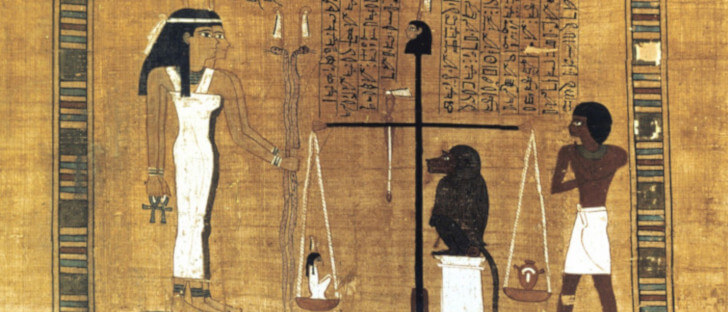
Anubis, a prominent figure in ancient Egyptian mythology, is revered as the god of mummification and funerary rites. His role was crucial in the ancient Egyptian belief system, which placed significant emphasis on the afterlife and the proper burial of the dead. Anubis is often depicted as a canine or a man with a jackal’s head, symbolizing his connection to the dead and the protection of graves.
Culturally, Anubis emerged during the early dynastic period of Egypt, around 3100 BCE, and remained significant throughout the history of ancient Egyptian religion. His origins are somewhat obscure, with references appearing in various texts, including the Pyramid Texts and Coffin Texts, which detail rituals and beliefs surrounding death and the afterlife.
Anubis’s attributes include his role as a protector of the dead, overseeing the mummification process to ensure that the deceased were preserved for their journey into the afterlife. He was also depicted as weighing the hearts of the deceased against the feather of Ma’at, the goddess of truth, to determine their fate in the afterlife. This weighing of the heart ceremony was a central aspect of Egyptian funerary practices, emphasizing the importance of moral integrity and the consequences of one’s actions in life.
Historically, Anubis’s influence extended beyond religious practices; he became a symbol of protection and guidance for the dead. His image was often inscribed on tombs and funerary objects, serving as a reminder of his protective role. In later interpretations, particularly during the Greco-Roman period, Anubis was sometimes conflated with other deities, leading to variations in his representation. However, the core attributes of Anubis as a guardian of the afterlife remained consistent throughout ancient Egyptian history.
In conclusion, Anubis stands as a vital figure within the ancient Egyptian pantheon, embodying the cultural significance of death and the afterlife. His legacy continues to be recognized in modern discussions of mythology, though it is essential to approach his narrative with a clear understanding of its historical and cultural context.