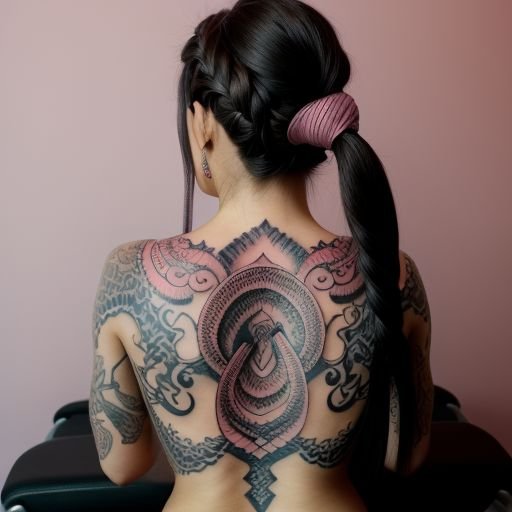




Tattooing is far more than a contemporary fashion statement or a symbol of rebellion. It is one of humanity’s oldest artistic and spiritual practices — a permanent dialogue between body, identity, and belief. Archaeological evidence shows that humans have been marking their skin for at least 5,000 years, and likely much longer. From sacred rituals to personal expression, the story of tattooing mirrors the evolution of civilization itself.
Prehistoric Origins: Marks of Survival and Spirituality
The oldest confirmed example of tattooing comes from a prehistoric mummy discovered in the Alps in 1991. This individual, dating back to around 3300 BCE, bore dozens of simple line tattoos on his body. Rather than decorative, these markings appear to correspond to areas of joint pain, suggesting therapeutic or ritual healing purposes — possibly an early form of acupuncture.
This discovery indicates that tattooing may have begun not as art, but as medicine, magic, or both. In prehistoric societies, where survival depended on forces beyond human control, permanent body markings could serve as protection, identity, or connection to the spiritual realm.
Ancient Civilizations: Sacred Symbols and Social Status
As societies became more complex, tattooing evolved into a structured cultural practice.
Ancient Egypt
Archaeological finds reveal that tattooing was practiced in Egypt as early as 2000 BCE. Evidence suggests it was primarily applied to women, particularly priestesses and performers. The patterns — dots, lines, and geometric motifs — are believed to have been linked to fertility, protection during pregnancy, and devotion to deities.
Indigenous Cultures of the Americas
From the Arctic to the Amazon, Indigenous peoples developed rich tattoo traditions. These markings conveyed clan identity, achievements, spiritual beliefs, and rites of passage. In many societies, tattoos were earned rather than chosen, symbolizing endurance, courage, or social responsibility.
The Celts and Other European Peoples
Ancient European tribes, including the Celts, were described by classical writers as tattooed or body-painted warriors. For them, skin markings projected intimidation, unity, and spiritual power in battle.
Polynesia: Tattooing as Living Identity
Few cultures preserved tattooing as deeply as the peoples of Polynesia. The very word “tattoo” derives from the Polynesian term “tatau,” meaning “to strike” or “to mark.”
In Polynesian societies, tattoos were not mere decoration but a visual biography. Each motif communicated lineage, social rank, personal achievements, and spiritual protection. The process itself was often painful and ceremonial, symbolizing endurance and transformation.
Even today, Polynesian tattoo traditions remain among the most culturally significant and artistically influential in the world.
Asia: Spiritual Discipline and Aesthetic Mastery
In Japan, tattooing developed into a sophisticated art form known as irezumi. Initially associated with spiritual symbolism and later with social punishment, it eventually evolved into elaborate full-body designs depicting mythological scenes, animals, and folklore heroes.
Despite periods of prohibition, Japanese tattooing influenced modern tattoo aesthetics worldwide, particularly in its emphasis on composition, flow, and storytelling across the body.
Antiquity to the Middle Ages: From Honor to Stigma
Tattooing held diverse meanings in the ancient Mediterranean world. In Greece and Rome, tattoos could signify devotion, military service, or, conversely, punishment. Slaves and criminals were sometimes forcibly marked to identify their status.
With the spread of Christianity in Europe, tattooing gradually declined. Many religious authorities viewed the practice as a violation of the sanctity of the body. By the Middle Ages, tattooing had largely disappeared from mainstream European culture, surviving mainly among isolated groups.
The Age of Exploration: Tattooing Returns to Europe
Tattooing re-entered Western awareness during the great oceanic voyages of the 18th century. Sailors traveling to the Pacific encountered heavily tattooed Indigenous populations and adopted the practice themselves.
For sailors, tattoos became symbols of experience, superstition, and camaraderie — anchors for stability, swallows for safe return, and other motifs marking voyages or milestones. These maritime traditions laid the groundwork for Western tattoo culture.
19th and Early 20th Century: From Sideshow to Subculture
During the 1800s, tattooing spread through ports, military communities, and traveling exhibitions. Tattooed individuals were sometimes displayed in circuses as curiosities, reinforcing the perception of tattoos as exotic or marginal.
At the same time, tattoo machines were invented, making the process faster and more accessible. Tattoos became associated with soldiers, laborers, bikers, and prisoners — groups often viewed as outside polite society.
Late 20th Century: Artistic Renaissance
Beginning in the 1970s and accelerating through the 1990s, tattooing underwent a cultural transformation. Influenced by counterculture movements, global travel, and artistic experimentation, tattoos gained acceptance as legitimate art.
Professional studios replaced improvised settings. Hygiene standards improved dramatically. Artists began blending styles from around the world, creating new hybrid aesthetics.
Celebrities, musicians, and athletes further normalized tattoos, shifting public perception from deviance to self-expression.
The 21st Century: Personal Narrative in Ink
Today, tattooing is a global phenomenon practiced across social classes, professions, and age groups. What was once taboo is now widely accepted — even celebrated.
Modern tattoos serve countless purposes:
- Personal storytelling
- Memorialization
- Cultural identity
- Spiritual symbolism
- Pure aesthetic expression
- Acts of empowerment or healing
Technological advances have also expanded possibilities, including hyper-realistic designs, fine-line work, cosmetic tattooing, and laser removal.
Conclusion: An Art as Old as Humanity Itself
From prehistoric healing marks to contemporary body art, tattooing has continuously adapted to human needs and values. It has been sacred and stigmatized, hidden and celebrated, imposed and chosen.
Yet one constant remains: tattooing is a profoundly human act — a way to make identity visible, to claim ownership of one’s body, and to inscribe meaning into flesh that endures through time.
As long as humans seek to express who they are, where they come from, and what they believe, the ancient art of tattooing will continue to evolve, carrying millennia of history beneath the skin.