The Soundtrack of a Generation
The 1970s were a transformative decade for music, heralding the rise of soft rock as a genre that encapsulated the mood of a generation. Emerging from the tumult of the late 60s, soft rock offered a soothing alternative to the more aggressive sounds of rock and roll. With its gentle melodies and introspective lyrics, this genre became a refuge for listeners seeking solace and connection. Artists like Carole King and James Taylor crafted songs that resonated deeply, reflecting the hopes and heartaches of everyday life.
Melody Meets Emotion
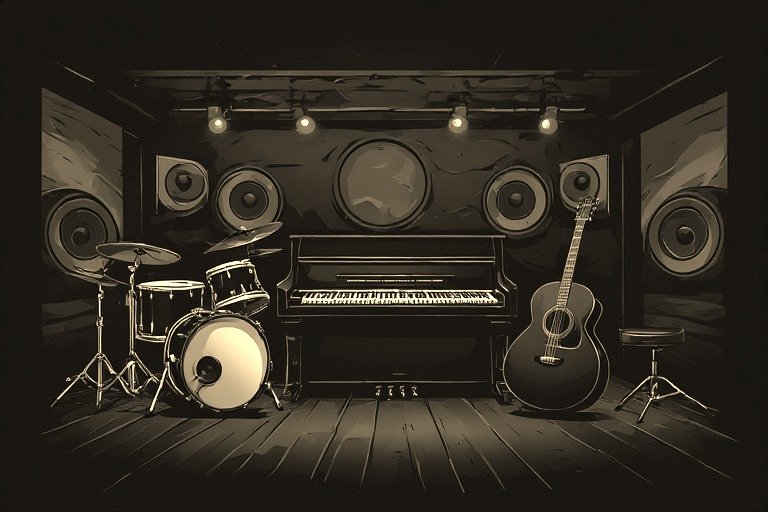
The aesthetic of soft rock was characterized by its melodic richness and emotional depth. Unlike the hard-edged rock that often dominated the airwaves, soft rock embraced a more delicate approach, utilizing lush harmonies and intricate arrangements. The gentle strumming of acoustic guitars, the soft caress of piano keys, and the soothing timbre of vocal harmonies created a soundscape that was both inviting and introspective. This musical style invited listeners to explore their feelings, making it a perfect backdrop for both personal reflection and communal experiences.
Cultural Reflections and Symbolism
Soft rock was not just a musical genre; it was a cultural phenomenon that mirrored the societal shifts of the 1970s. The era was marked by a quest for authenticity and emotional expression, and soft rock artists often tackled themes of love, loss, and the search for meaning. Songs became anthems for a generation grappling with change, serving as a soundtrack for moments of intimacy and vulnerability. The genre’s emphasis on personal storytelling and relatable experiences fostered a sense of community among listeners, uniting them through shared emotions.
Controversies and Misunderstandings
Despite its widespread appeal, soft rock faced its share of controversies. Critics often dismissed it as overly sentimental or simplistic, arguing that it lacked the raw energy of traditional rock music. However, this perception overlooks the genre’s nuanced artistry and the skill involved in crafting memorable melodies. While some may view soft rock as a departure from rock’s rebellious roots, many fans celebrate it as a legitimate expression of the human experience, proving that vulnerability can be just as powerful as defiance.
The Enduring Legacy
Today, the influence of 70s soft rock continues to resonate in contemporary music. Many modern artists draw inspiration from its melodic structures and emotional storytelling, ensuring that the legacy of this beloved genre lives on. Soft rock playlists remain popular, inviting new generations to discover the timeless classics that defined an era. Whether it’s a nostalgic trip down memory lane or a fresh encounter with the genre’s soothing sounds, the allure of 70s soft rock endures, reminding us of the power of music to connect and heal.
CONTINUE TO MAIN POST
The Enchanting Allure of 70s Soft Rock: A Melodic Journey Related Posts
- The Soundtrack of Winter: Crafting Your Winterstorm PlaylistAs winter envelops us, the creation of a winterstorm playlist …
- The Soft Rock Renaissance of the 80s: A Melodic EscapeExplore the soothing sounds of 80s soft rock, a genre …
- Uriah Heep Lyrics – Beautiful Dream“Beautiful Dream” is a reflective and emotionally charged song by …