The Vamp Aesthetic in Music
In the realm of music, the term “vamp” often evokes a rich tapestry of imagery, emotions, and cultural significance. It conjures visions of sultry performers, shadowy venues, and a certain allure that captivates audiences. This aesthetic, characterized by its blend of glamour and darkness, has been a recurring theme across various genres, from rock to pop and beyond. The vamp embodies a seductive power, often challenging societal norms and expectations, making it a fascinating lens through which to explore the world of music.
Symbolism of the Vamp in Performance
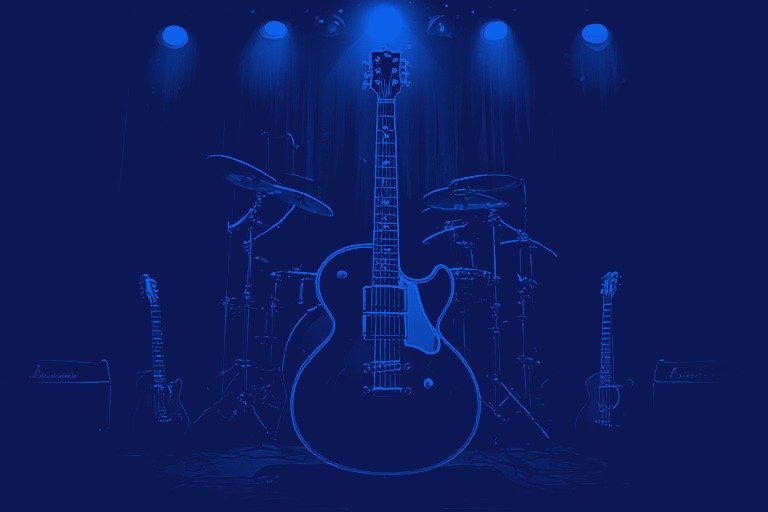
At its core, the vamp aesthetic is steeped in symbolism. It represents a duality—an interplay between light and dark, innocence and seduction. Musicians who adopt this persona often play with these contrasts, using their visual presentation to enhance their musical narratives. The use of dramatic makeup, provocative outfits, and moody lighting not only serves to create an unforgettable image but also invites listeners to delve deeper into the themes of their music. This visual storytelling can evoke a range of emotions, from desire to melancholy, resonating with audiences on multiple levels.
Cultural Impact Moments
Throughout music history, there have been pivotal moments where the vamp aesthetic has left an indelible mark on popular culture. Iconic performances, such as those by artists who embraced gothic or glam styles, have sparked conversations about identity, sexuality, and rebellion. These moments often transcend music, influencing fashion, art, and even societal attitudes. The vamp’s ability to challenge conventions has made it a powerful symbol of empowerment, particularly for marginalized voices seeking to express their individuality and defy expectations.
Controversies and Misinterpretations
However, the vamp aesthetic is not without its controversies. Critics have often debated the implications of such imagery, questioning whether it objectifies performers or empowers them. Some argue that the vamp persona can perpetuate harmful stereotypes, while others view it as a form of artistic expression that allows for exploration of complex themes. This ongoing dialogue highlights the multifaceted nature of the vamp and its significance in the music industry, illustrating how interpretations can vary widely among audiences and critics alike.
Conclusion: The Vamp’s Enduring Legacy
Ultimately, the vamp aesthetic in music serves as a captivating intersection of art, culture, and identity. It invites us to explore the darker corners of human experience while celebrating the beauty found within complexity. As we continue to witness the evolution of this aesthetic, it remains a testament to the power of music as a medium for self-expression and societal reflection. Whether through haunting melodies or striking visuals, the vamp will undoubtedly continue to inspire and provoke thought for generations to come.
CONTINUE TO MAIN POST
The Allure of the Vamp: A Visual Journey Through Music’s Darker Aesthetic Related Posts
- Charlotte Wessels – Chasing Sunsets (Official Music Video)Charlotte Wessels has released the official music video for "Chasing …
- The Eye of Horus: A Symbol of Protection in Music and BeyondThe Eye of Horus, an ancient Egyptian symbol of protection, …
- The Enigmatic Psamathe: Unveiling the Mystique of the Nymph of the SandsPsamathe, the nymph of the sands, embodies the beauty and …