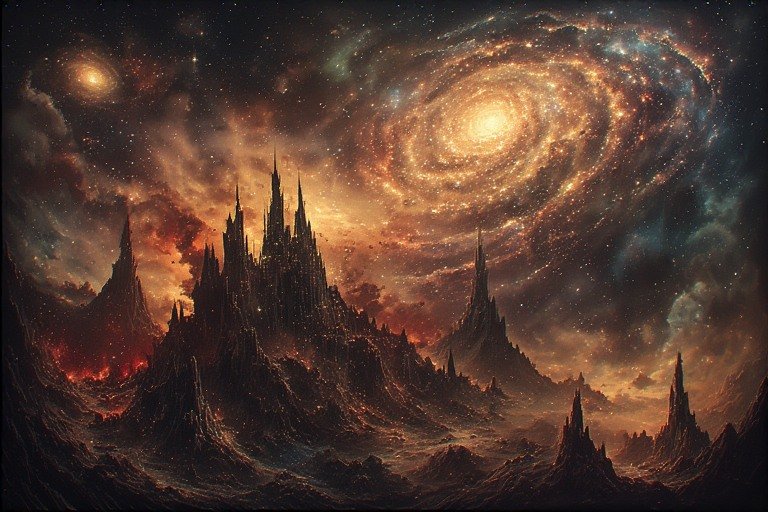
The Enigmatic Estries: Night Spirits of Occitan Lore
The Estries, often shrouded in mystery and allure, are captivating figures in the tapestry of European folklore, particularly within the Occitan culture of southern France. These ethereal beings, embodying both beauty and peril, have fascinated generations with their enchanting narratives. As night spirits, they symbolize the dual nature of darkness—both a source of wonder and a realm of danger.
Tracing the Origins: From Medieval Lore to Modern Interpretations
The roots of the Estries can be traced back to medieval Occitan literature, where they were first described as ethereal entities associated with the moon and night. The etymology of their name, derived from the Latin word stria, meaning night owl, underscores their nocturnal essence. While they share similarities with other fae creatures in European folklore, the Estries maintain a unique identity, deeply intertwined with the cultural fabric of the Occitan region.
Symbolism and Attributes: Beauty Intertwined with Danger
Characterized as stunning women with the ability to transform into birds, the Estries are often depicted with avian features and wings. Their enchanting songs serve as a lure for unsuspecting travelers, drawing them into the depths of forests or the mysteries of the night. This duality—of seduction and peril—reflects humanity’s complex relationship with the unknown, where beauty can often mask danger. Symbolically, the Estries represent the allure of the night and the shadows that accompany it, reminding us of the risks inherent in venturing into the dark.
Cultural Legacy: The Lasting Impact of the Estries
The influence of the Estries extends beyond folklore into various cultural realms, including literature, art, and modern interpretations. They have inspired countless poets and writers, often serving as muses or symbols of unattainable beauty. Their presence in regional festivals and storytelling traditions highlights their enduring significance in the cultural landscape of southern France and beyond. In contemporary culture, while some reinterpretations have emerged, the core attributes of the Estries as enigmatic figures continue to resonate, embodying the mysteries of the night.
Controversies and Interpretations: The Fine Line Between Belief and Myth
Despite their enchanting allure, the Estries also evoke discussions about belief and myth. Some scholars argue that these beings represent deeper psychological archetypes, embodying humanity’s fears and fascinations with the night. Others contend that the tales of the Estries serve as cautionary narratives, warning against the dangers of the dark and the unknown. This interplay between belief, myth, and speculation invites a deeper exploration of how cultures interpret the supernatural and the moral lessons embedded within these tales.
Conclusion: The Estries as Timeless Guardians of the Night
In conclusion, the Estries stand as a testament to the rich and complex tapestry of European folklore. They encapsulate the mysteries of the night, embodying the interplay between beauty and danger that has captivated human imagination for centuries. As guardians of the night, their stories remind us of the enchantment and trepidation that darkness can inspire, inviting us to explore the shadows with both curiosity and caution.
CONTINUE TO MAIN POST
The Estries: Guardians of the Night in European Folklore Related Posts
- The Estries: Guardians of the Night in European FolkloreThe Estries, night spirits of Occitan folklore, embody the duality …
- The Estries: Guardians of the Night in European FolkloreThe Estries, guardians of the night in European folklore, embody …
- The Estries: Guardians of the Night in European FolkloreThe Estries, or night spirits, are enchanting yet perilous beings …