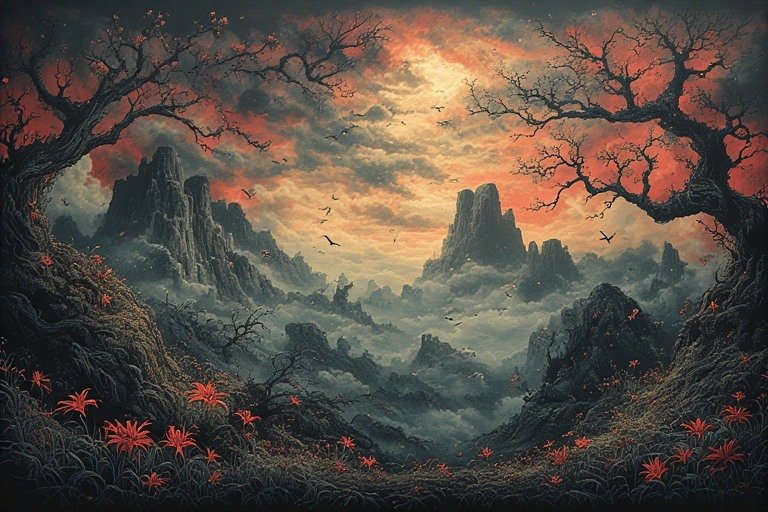
Unearthing the Myth
La Llorona, or The Weeping Woman, is not merely a ghost story; she is a manifestation of deep-seated cultural fears and societal values. Rooted in Mexican folklore, her legend has evolved over centuries, intertwining with various cultural narratives and reflecting the anxieties of motherhood, loss, and societal expectations. The tale often revolves around a woman named Maria, who, in her despair, drowns her children and is condemned to wander the earth, eternally weeping for her lost offspring. This narrative serves as a poignant reminder of the consequences of betrayal and neglect, resonating with audiences across generations.
Symbolism of Sorrow and Consequence
The figure of La Llorona embodies more than just a tragic tale; she symbolizes the profound sorrow experienced by mothers who feel they have failed their children. Her mournful cries, “Ay, mis hijos!” echo through the night, serving as a chilling reminder of the consequences of one’s actions. In a broader context, La Llorona represents the struggles that women face within patriarchal societies, where their roles as caregivers are often idealized yet simultaneously scrutinized. The duality of her existence—both a mother and a monster—invites reflection on the societal pressures placed upon women, making her story a powerful commentary on gender dynamics.
Cultural Resilience and Adaptation
La Llorona’s narrative has transcended its origins, adapting to contemporary contexts while retaining its core elements. From literature to film, her story has been reinterpreted in various forms, allowing new generations to engage with her legend. In recent years, filmmakers and writers have sought to reclaim La Llorona’s narrative, shifting the focus from her tragic flaws to her resilience and the systemic issues that led to her despair. This evolution of the myth not only honors its roots but also highlights the ongoing struggles faced by women in society, making La Llorona a relevant figure in discussions surrounding domestic violence and mental health.
Controversies and Interpretations
While La Llorona is celebrated as a cultural icon, her story is not without controversy. Interpretations of her actions vary widely, with some viewing her as a victim of circumstance, while others see her as a cautionary figure whose actions warrant condemnation. This dichotomy raises questions about moral judgment and societal expectations of women. Furthermore, the legend has been appropriated in various ways, sometimes losing its cultural significance in favor of sensationalism. As such, it is essential to approach the tale of La Llorona with a critical lens, acknowledging both its cultural roots and its potential for misinterpretation.
Conclusion: The Enduring Legacy
La Llorona remains a powerful symbol in the tapestry of Mexican folklore, representing the intersection of myth, social values, and the complexities of motherhood. As her story continues to evolve, it serves as a reminder of the cultural narratives that shape our understanding of grief and responsibility. Whether viewed as a tragic figure or a cautionary tale, La Llorona’s legacy endures, ensuring that her weeping echoes through the ages, inviting reflection on the timeless themes of love, loss, and the consequences of our actions.
CONTINUE TO MAIN POST
La Llorona: The Weeping Woman and Her Echoes in Modern Culture Related Posts
- La Llorona: The Weeping Woman of Mexican FolkloreLa Llorona, or The Weeping Woman, is a haunting figure …
- La Llorona: The Weeping Woman and Her Echoes in Modern CultureLa Llorona, the Weeping Woman of Mexican folklore, is a …
- The Soundtrack of a Nation: Mexico’s Musical TapestryMexico's music is a vibrant tapestry woven from its rich …