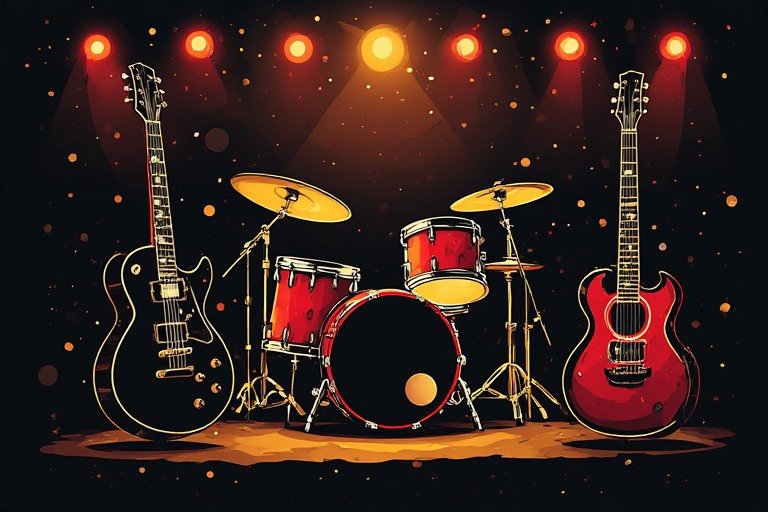
The 1970s were a transformative decade for music, marked by the rise of soft rock—a genre that blended the emotional depth of folk with the polished production of pop. This era was characterized by soothing melodies, introspective lyrics, and an overall laid-back vibe that resonated deeply with listeners. As a cultural phenomenon, soft rock not only provided a soundtrack for the lives of millions but also reflected the societal shifts of the time.
One of the most intriguing aspects of soft rock is its ability to evoke nostalgia. Songs from this genre often serve as time capsules, transporting listeners back to moments of love, loss, and everything in between. The lyrics, often rich with storytelling, paint vivid pictures of relationships and personal experiences, making them timeless. This emotional connection has led to a resurgence of interest in soft rock, as new generations discover the soothing sounds that defined their parents’ youth.
The aesthetic of soft rock is equally compelling. The genre is synonymous with lush instrumentation—think gentle guitar strumming, soft piano melodies, and smooth harmonies. This sonic palette creates an inviting atmosphere, making it the perfect backdrop for relaxation or reflection. The visual imagery associated with soft rock, often featuring serene landscapes and intimate gatherings, further enhances its appeal, inviting listeners to escape into a world of tranquility.
Culturally, soft rock emerged during a time of significant change in America. The late 1960s and early 1970s were marked by social upheaval, including the civil rights movement and anti-war protests. In contrast, soft rock offered a retreat from the chaos, promoting themes of love and personal connection. This juxtaposition between the tumultuous world outside and the comforting melodies within played a crucial role in the genre’s popularity.
However, soft rock is not without its controversies. Critics have sometimes dismissed it as overly sentimental or lacking in depth compared to its rock counterparts. Yet, this critique overlooks the genre’s nuanced approach to emotions and its ability to resonate with listeners on a personal level. The very essence of soft rock lies in its relatability, capturing the complexities of human experience in a way that feels both intimate and universal.
As we explore the legacy of soft rock, it becomes evident that its influence extends far beyond the 1970s. The genre has inspired countless artists across various musical landscapes, proving that its melodic charm is timeless. Today, playlists dedicated to soft rock continue to thrive, introducing new audiences to the soothing sounds that once dominated the airwaves.
In conclusion, the soft rock of the 1970s remains a significant cultural touchstone, representing an era of musical innovation and emotional exploration. Its ability to evoke nostalgia, coupled with its rich aesthetic and cultural relevance, ensures that it will continue to resonate with listeners for years to come. So, whether you’re reminiscing about the good old days or simply seeking a melodic escape, soft rock offers a warm embrace that never goes out of style.
The Soft Rock Revolution of the 1970s: A Melodic Escape Related Posts
- The Killers: A Evolução de uma Banda Icônica do Rock AmericanoThe Killers é uma banda de rock americana formada em …
- The Soft Rock Revolution of the 1970s: A Melodic EscapeThe 1970s soft rock movement was more than just a …
- Ira!: A Força do Rock BrasileiroIra! é uma banda brasileira de rock formada em 1981, …