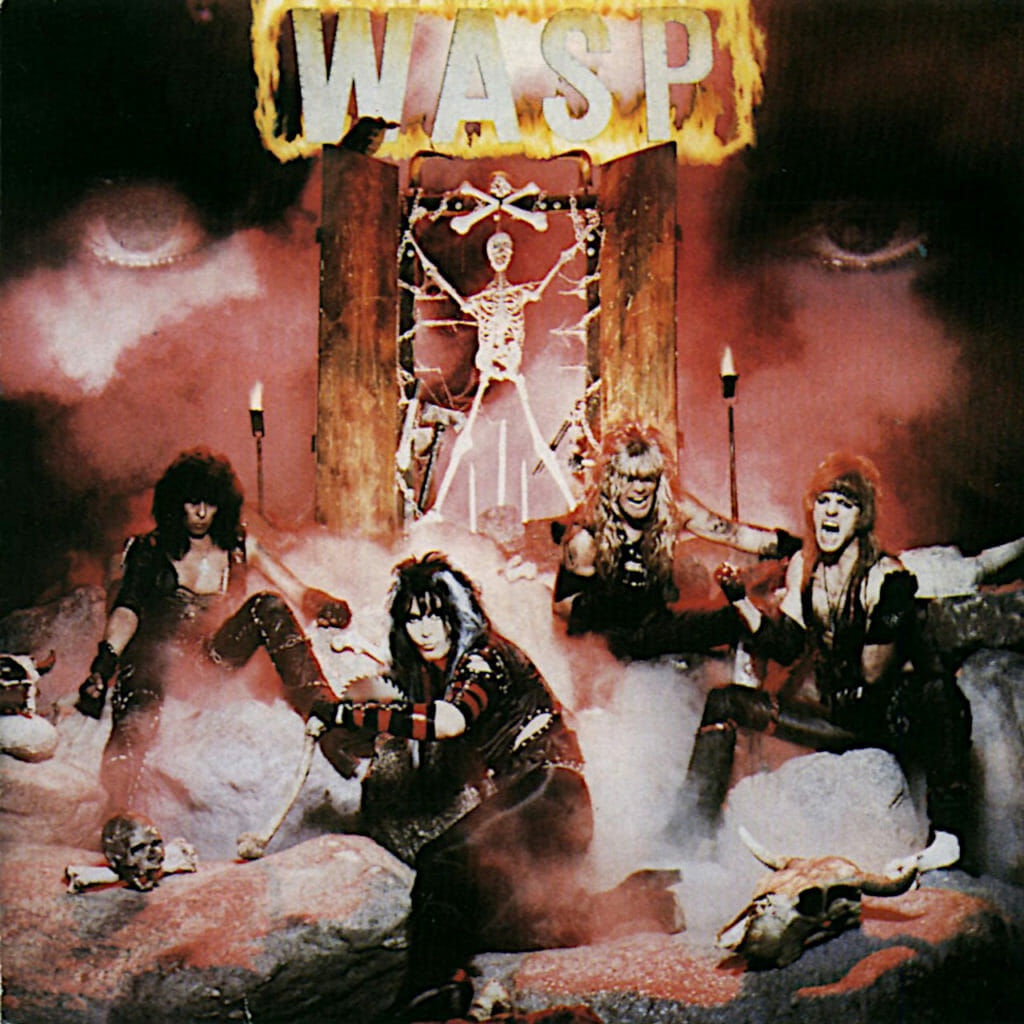







- W.A.S.P. (1984) – Gold US
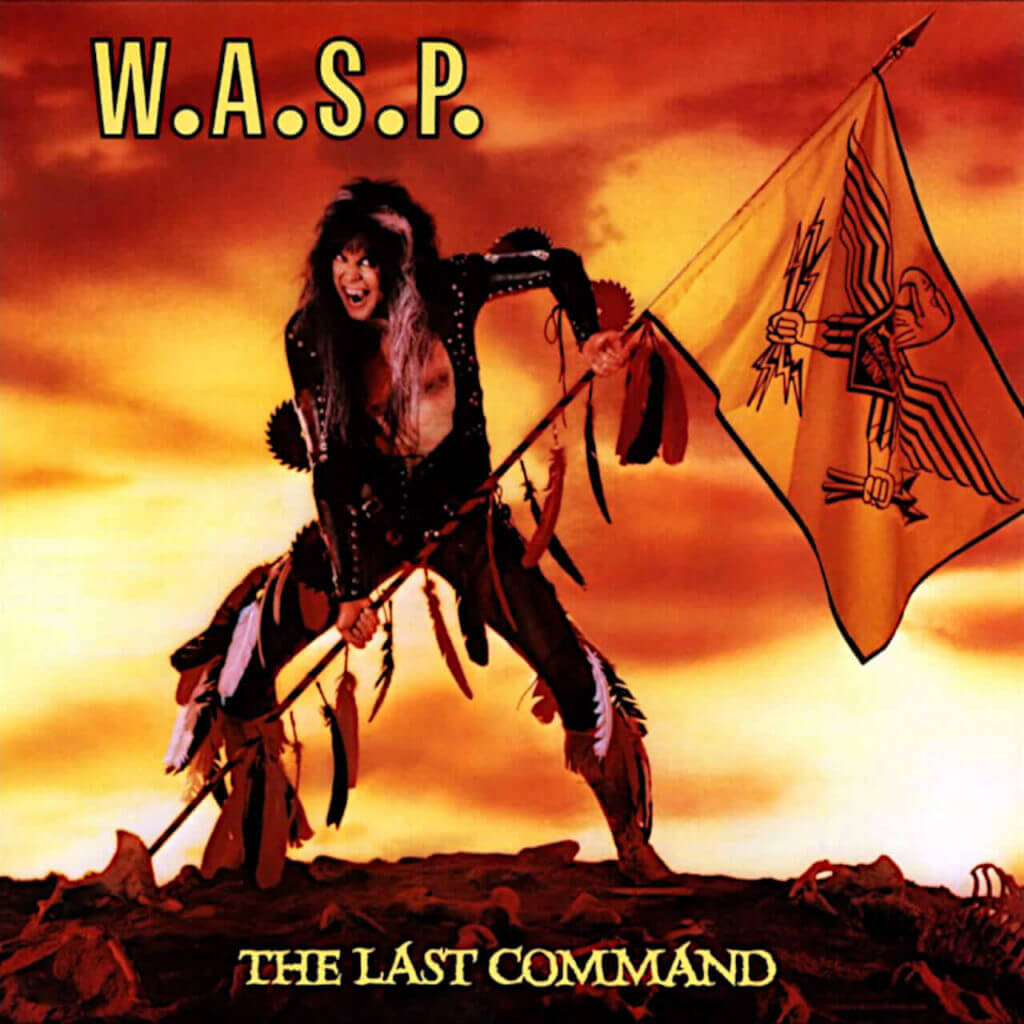
- The Last Command (1985) – Gold US
- Inside the Electric Circus (1986)
- The Headless Children (1989)
- The Crimson Idol (1992)
- Still Not Black Enough (1995)
- Kill Fuck Die (1997)
- Helldorado (1999)
- Unholy Terror (2001)
- Dying for the World (2002)
- The Neon God: Part 1 – The Rise (2004)
- The Neon God: Part 2 – The Demise (2004)
- Dominator (2007)
- Babylon (2009)
- Golgotha (2015)
- ReIdolized (The Soundtrack to the Crimson Idol) (2018)
W.A.S.P. Album Cover Gallery: A Visual Chronicle of Shock, Faith, and Rebellion
The W.A.S.P. Album Cover Gallery is more than a collection of striking images — it is a visual autobiography of one of heavy metal’s most controversial and uncompromising bands. Across decades, W.A.S.P.’s album covers have mirrored the band’s ideological shifts, emotional struggles, and artistic evolution, standing as bold statements in the history of metal imagery.
Each cover functions as a chapter, revealing not only the sound of its era but the mindset behind it.
Shock Rock and Provocation (Early Era)
The early W.A.S.P. covers are defined by confrontation. Images like the blood-soaked saw blade, raw sexuality, and aggressive iconography were designed to provoke outrage and fascination in equal measure. These visuals aligned perfectly with the band’s early shock-rock identity — anti-authoritarian, dangerous, and unapologetically offensive.
They were not metaphors.
They were challenges.
Symbolism and Inner Conflict (Conceptual Years)
As W.A.S.P. moved into more conceptual territory, album artwork became increasingly symbolic. Covers began to explore themes of lost innocence, spiritual conflict, manipulation, and identity. This shift reflected Blackie Lawless’ growing interest in narrative-driven albums and psychological depth.
Rather than shock for shock’s sake, the imagery invited interpretation — often dark, uncomfortable, and emotionally charged.
Faith, Suffering, and Redemption (Later Periods)
In later albums, religious symbolism, scars, chains, and stark imagery dominate the visual language. These covers suggest struggle rather than rebellion, endurance rather than excess. The shock remains, but it is internalized — transformed into a meditation on belief, consequence, and survival.
The evolution from spectacle to introspection is unmistakable.
A Cohesive Visual Identity
Despite stylistic changes, the W.A.S.P. Album Cover Gallery maintains a cohesive identity:
- High-contrast imagery
- Centralized figures or symbols
- Themes of control, pain, power, and defiance
Together, the covers form a visual theology of heavy metal — one rooted in transgression, honesty, and refusal to conform.
Why the Album Covers Matter
For W.A.S.P., album covers are not promotional afterthoughts. They are integral to the storytelling, shaping listener expectations before a single note is heard. The gallery stands as a reminder that heavy metal has always been as much visual culture as musical expression.
To explore W.A.S.P.’s discography through its covers is to witness a band constantly redefining itself — never safe, never silent, never neutral.
W.A.S.P. Album Cover Gallery Related Posts
- W.A.S.P. HelldoradoReleased in 1999, Helldorado is one of the most polarizing …
- W.A.S.P. Miss You promo – Video Clip“Miss You” is a song by the American heavy metal …
- W.A.S.P The last commandReleased in 1985, The Last Command captures W.A.S.P. at the …
- W.A.S.P. Babylon Album PlaylistW.A.S.P.'s fourteenth studio album, "Babylon," was released on November 9, …
- W.A.S.P. Lake of FoolsThe article discusses the song "Lake of Fools" by W.A.S.P., …
- The Headless ChildrenThe central idea of The Headless Children is not subtle …