A Rare Glimpse From the Dawn of Occult Rock
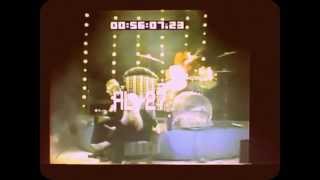
Footage of Coven performing in 1969 is exceptionally scarce, which makes the circulating clip of Wicked Woman a small but vital artifact. The video appears to be a period television appearance, with images and audio out of sync and most likely dubbed from a separate source. Even with that caveat, it offers a valuable look at a band crystallizing the language of occult rock at the very moment heavy music was taking shape.
Wicked Woman sits at the core of Coven’s early repertoire. Released the same year as the footage, the song captures the group’s defining blend of late-60s psychedelia, theatrical shock and an emerging heaviness that would echo through hard rock and early metal. The sound might not be as crushing as what would follow in the next decade, but the imagery and lyrical stance were strikingly transgressive for 1969.
The Blueprint: Coven in Context
Fronted by Jinx Dawson, Coven approached rock and psychedelia with a deliberate embrace of occult themes. Their 1969 debut album included a side-long ritual piece and song titles that made no secret of the band’s preoccupations. This was not vague mysticism or borrowed symbolism. Coven presented a full dramatic program that intertwined lyrics, artwork and performance practice into a single, provocative statement.
In an era when the counterculture tested boundaries but mainstream television still preferred tidy variety formats, Coven’s aesthetic stood apart. Theatricality had precedents in acts like The Crazy World of Arthur Brown and, on a different axis, The Doors. Coven took that lineage into darker territory, drawing on ritualistic staging, candlelit atmospherics and the now-familiar language of horns, altars and incantatory gestures. Much of what later became standard in heavy stagecraft appears here in nascent form.
Inside Wicked Woman
Musical character: Wicked Woman pivots on a minor-key, riff-forward chassis typical of late-60s hard rock, but with a decidedly nocturnal hue. A fuzz-saturated guitar carves the primary motif, doubled or shadowed by bass to thicken the low-mid impact. A Hammond-style organ adds harmonic weight and an eerie shimmer, shifting the texture away from straight blues-rock into something more ceremonial.
Rhythm and arrangement: The groove is mid-tempo, with a steady, almost processional pulse. Drums favor a tight backbeat and tom accents that create a sense of forward movement without crowding the vocal. The arrangement leaves space for call-and-response play between voice and guitar, while organ swells underline the song’s climactic phrases.
Vocal presence: Jinx Dawson’s delivery is the track’s fulcrum. Her lines are controlled and declamatory, shaped by clean vibrato and a theatrical sense of timing. Rather than belting, she projects authority through phrasing, channeling both seduction and threat. It is a performance style that suits the narrative of the song and the band’s occult dramaturgy.
Lyrical framing: Wicked Woman recasts the figure of the witch as an autonomous agent, both alluring and dangerous. The lyrics use satanic and ceremonial references not as stray provocations but as a frame for female power and transgression. In 1969 that perspective read as a challenge to rock’s default masculine gaze, and it still gives the song a distinctive edge.
What the Footage Shows, and What It Doesn’t
The known clip is frequently shared with a disclaimer: picture and sound are not aligned, and the audio is likely not the original broadcast track. That does not diminish its documentary value. The camera captures a band intent on visual control, from clothing and posture to ritual gestures that mirror the music’s sense of ceremony. Television in the period often required miming to pre-recorded audio, which helps explain the mismatch and adds to the ambiguity about the source.
Details about the program or whether it even aired remain unclear. What the footage does confirm is Coven’s confidence with the medium. The group treats the stage as a consecrated zone, even within the constrictions of a studio set, which tells us as much about their conceptual ambitions as any pristine recording could.
Image, Symbolism and Performance Language
Coven’s visual code was as deliberate as its chord changes. The band drew from ritual iconography, midnight cinema and countercultural dress, then funneled those references into a cohesive stage language. The results were confrontational for their time. In dark attire and compositional blocking that suggests a rite, the group contrasts starkly with the brighter, pop-oriented television norms of the day.
Jinx Dawson’s role is central. She anchors the tableau, using stillness and measured movement to amplify the song’s tension. Rather than chaotic spectacle, the performance favors poise and implication. It makes the occult staging feel less like shock and more like doctrine, which was precisely the point.
Why This Matters
For historians of heavy music, this small reel of Wicked Woman is evidence that the aesthetic architecture of occult rock was in place before heavy metal cohered as a genre. Coven helped codify:
- The conflation of ritual imagery with blues-derived hard rock.
- The album-as-rite concept, with interludes and extended ceremonial pieces.
- A visual grammar of candles, sigils and gestures that later became commonplace.
- A lyrical standpoint that treats the occult as a creative axis rather than a passing shock tactic.
Much of this would echo in later acts, from doom and proto-metal through to the 21st-century occult rock renaissance. Whether or not specific artists took direct cues from Coven, the band’s early articulation of this language laid groundwork that subsequent generations would refine, amplify and popularize.
For New Listeners
If Wicked Woman is your entry point, a short path through the early catalog helps place the clip in context:
- Wicked Woman – the essential statement, where Coven’s theatrical vision meets taut, riff-based writing.
- Black Sabbath – a companion pillar that showcases the band’s minor-key dread and organ-inflected weight.
- Coven in Charing Cross – a dramatic narrative piece that spotlights arrangement craft and mood-building.
- Satanic Mass – the infamous ritual cut that clarifies just how far the band was willing to take its concept.
Archival Notes
Circulating versions of the 1969 Wicked Woman clip often feature audio that is not original to the film, with imperfect synchronization. Provenance details remain murky, and there may never be a definitive broadcast-source edition. Even so, the footage stands as one of the few surviving on-camera documents of Coven’s first era. Its value lies not in fidelity but in the rare opportunity to watch an occult rock blueprint take form in real time.
For anyone tracing the history of metal, psychedelic heaviness and transgressive stagecraft, Coven’s work in 1969 is indispensable, and Wicked Woman remains a crucial chapter in that story.
Coven- Wicked woman rare ”live” perfromance, 1969 Related Posts
- Green Eyes – Throne of Ashes (A Doom Metal Tale of Love and Ruin)"Throne of Ashes" narrates the tragic tale of a king …
- ELEINE – War Das Alles (OFFICIAL VIDEO)Swedish dark symphonic metal band ELEINE has released their new …
- Black Sabbath – Supernaut – Sabbath Bloody Sabbath – Megalomania -The End – Live In BirminghamBlack Sabbath's live performance of "Supernaut" from the album "Sabbath …
- Mind Reverse – Beautiful Lies (videoclipe)The music video for "Beautiful Lies" by Mind Reverse, released …
- Pink Floyd – Comfortably Numb (SHRED VERSION) || Sophie LloydSophie Lloyd has released a new "shred version" of Pink …
- Dominium Serpens – Daughter of the Threshold | The divine hidden in shadow (Official Music)"Dominium Serpens - Daughter of the Threshold" explores the character …